
Euhyparpax
Beutenmüller, 1893
Species Guides
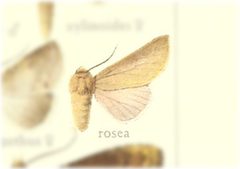
1Euhyparpax is a of in the Notodontidae, erected by Edna Libby Beutenmüller in 1893. The genus contains two described : Euhyparpax amatame (Dyar, 1916) and Euhyparpax rosea Beutenmüller, 1893. These moths belong to the Heterocampinae, commonly known as prominents. The genus is rarely encountered, with only two observations documented on iNaturalist.
Pronunciation
How to pronounce Euhyparpax: /juːhaɪˈpɑːr.pæks/
These audio files are automatically generated. While they are not always 100% accurate, they are a good starting point.
Identification
Members of Euhyparpax can be distinguished from related in Heterocampinae by the combination of generic-level morphological characters established in Beutenmüller's 1893 description. Specific distinguishing features from congeneric require examination of or original descriptions.
Images
Distribution
The distribution of Euhyparpax is poorly documented. Euhyparpax rosea, the type , was described from material presumably collected in North America. Euhyparpax amatame was described by Dyar in 1916, with type locality details requiring verification from original literature.
Similar Taxa
- HeterocampaBoth belong to the Heterocampinae and share the 'prominents', requiring careful examination to distinguish.
- HyperaeschraAnother in Heterocampinae with superficially similar ; separation relies on genitalic and wing pattern characters.
More Details
Taxonomic history
The was established by American entomologist Edna Libby Beutenmüller (1864–1934), one of the relatively few women entomologists working in North America during the late 19th century. The genus has received limited subsequent taxonomic attention, with only two formally described.
Data deficiency
The extreme scarcity of observational records (two iNaturalist observations for the entire ) suggests either genuine rarity, cryptic habits, or undercollection rather than absence from suitable .