Raphia frater piazzi
Hill
Raphia frater piazzi is a of in the Noctuidae. It is a North American with documented records from central Canada and the northeastern United States. The subspecies was described by Hill and is currently recognized as valid. Like other members of the Raphia, it belongs to the Raphiinae, a group characterized by distinctive wing patterns.

Pronunciation
How to pronounce Raphia frater piazzi: //ˈræ.fi.ə ˈfreɪ.tər ˈpja.t͡si//
These audio files are automatically generated. While they are not always 100% accurate, they are a good starting point.
Identification
As a of Raphia frater, R. f. piazzi would be distinguished from the nominate subspecies R. f. frater and other related by subtle morphological differences, typically in wing pattern, size, or genitalia. However, specific diagnostic characters for this subspecies are not documented in the provided sources. The Raphia is characterized by forewings with a distinctive pattern including a pale, often yellowish or whitish, basal area contrasting with darker portions, and hindwings that are typically pale with dark margins.
Images
Distribution
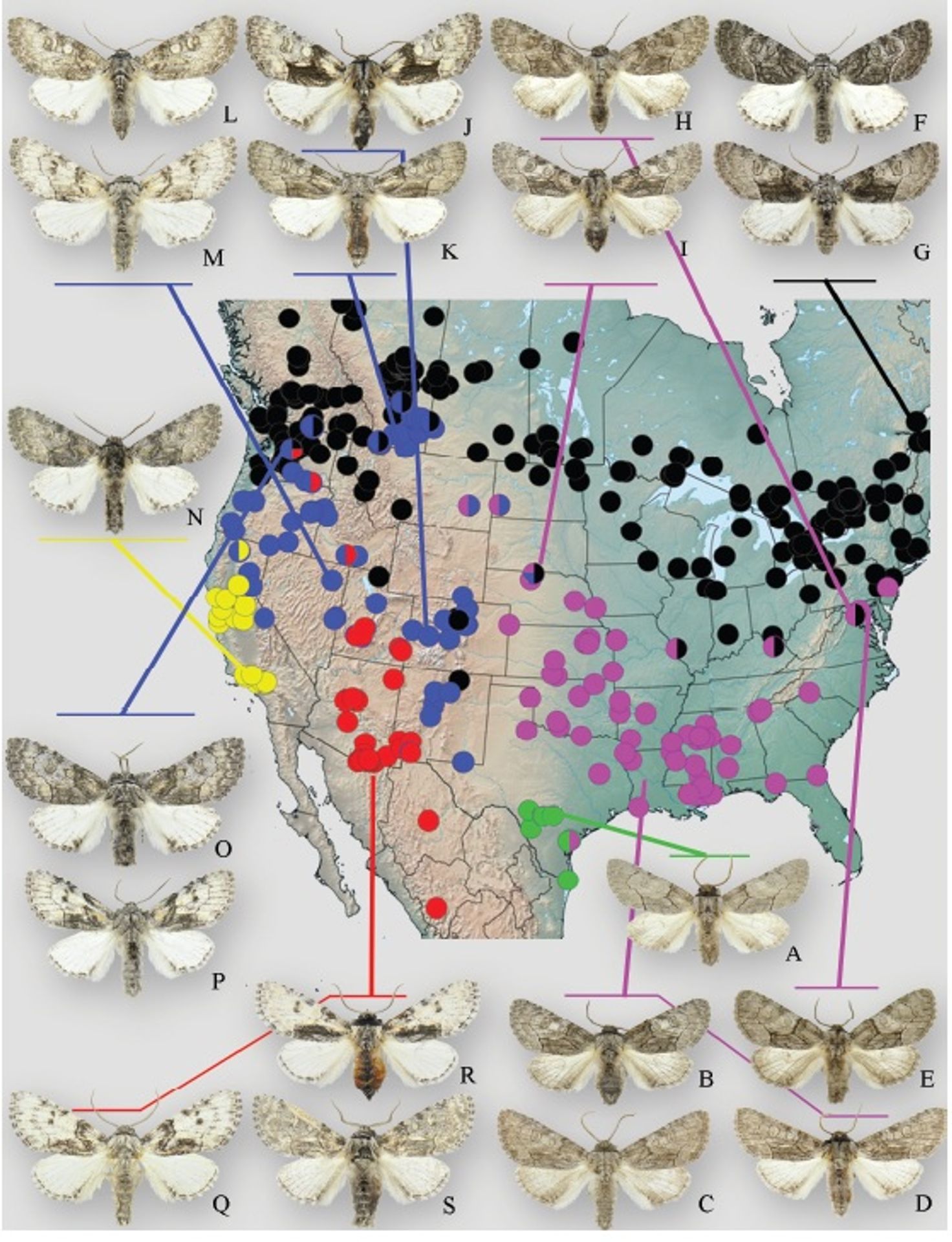
Documented from central and eastern North America, specifically: Alberta, Manitoba, and Saskatchewan in Canada; and Vermont in the United States. The distribution appears to be concentrated in the northern Great Plains and northeastern regions of the continent.
Similar Taxa
- Raphia frater fraterNominate ; would differ in distribution and subtle morphological characters, though specific distinctions require original description
- Other Raphia species members share similar wing patterns but differ in specific pattern elements, size, and distribution; R. piazzi and R. abrupta are other North American in the genus
More Details
Taxonomic note
The Raphia in Lepidoptera (Noctuidae) is unrelated to the palm genus Raphia (Arecaceae) mentioned in several provided sources. The palm genus is much more widely discussed in literature, while the genus is a relatively obscure noctuid group.
Data limitations
Information on this is extremely limited, with only 2 observations recorded on iNaturalist and minimal documentation in major biodiversity databases. The original description by Hill is not readily accessible in the provided sources.