
Psara obscuralis
(Lederer, 1863)
obscure psara moth
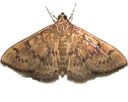
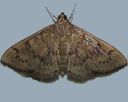
Psara obscuralis, the obscure psara , is a small crambid moth with a wingspan of approximately 23 mm. It occurs across the southeastern and central United States, with its range extending south through Mexico to Rica. are active from May through September. The larvae feed on two specific plants: Petiveria alliacea (guinea hen weed) and Phytolacca americana (pokeweed).

Pronunciation
How to pronounce Psara obscuralis: /ˈpsa.ra ɔbˈsku.ra.lɪs/
These audio files are automatically generated. While they are not always 100% accurate, they are a good starting point.
Identification
The small size (wingspan ~23 mm) and geographic range may help distinguish this from related crambid . Specific diagnostic features are not documented in available sources.
Images
Appearance
Small with wingspan approximately 23 mm. Overall coloration and pattern details are not well documented in available sources.
Habitat
Specific associations are not documented. Based on larval plants, occurs in areas supporting Petiveria alliacea and Phytolacca americana, which include disturbed sites, woodland edges, and open areas.
Distribution
North America: Maryland south to Florida, west to Texas and Illinois. Central America: Mexico and Rica.
Seasonality
on wing from May to September.
Diet
Larvae feed on Petiveria alliacea (Phytolaccaceae) and Phytolacca americana (Phytolaccaceae). feeding habits are not documented.
Host Associations
- Petiveria alliacea - larval food plantguinea hen weed
- Phytolacca americana - larval food plantpokeweed
Life Cycle
Complete with , larva, pupa, and stages. Specific details on egg and pupal stages are not documented.
Ecological Role
Herbivore as larvae, specializing on two plant in Phytolaccaceae.
Similar Taxa
- Other Psara speciesSimilar size and general appearance; require examination of genitalia or detailed wing pattern for reliable identification
- Other CrambidaeMany small crambid share similar ; accurate identification often requires dissection or molecular analysis
More Details
Taxonomic Note
This has been placed in the Syllepte by some authorities (as Syllepte obscuralis). The genus placement remains under discussion.