
Neoneurus
Haliday, 1838
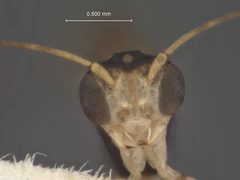
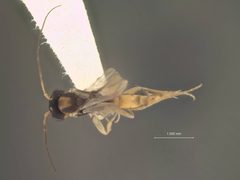
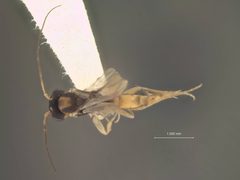
Neoneurus is a of minute in the Braconidae, tribe Neoneurini. These wasps are specialized parasitoids, with females attacking ant in to deposit their . The genus includes such as Neoneurus vesculus, which has been filmed ovipositing into Formica cunicularia workers. Neoneurus species are among the few parasitoids capable of overcoming ant defenses, representing a highly specialized ecological .
Pronunciation
How to pronounce Neoneurus: /ˌniːoʊˈnʊərəs/
These audio files are automatically generated. While they are not always 100% accurate, they are a good starting point.
Images
Distribution
Distribution records indicate presence in Denmark (DK), Norway (NO), and Sweden (SE). The appears to have a European distribution, though specific range boundaries are not well documented.
Diet
Females oviposit into ; develop internally within the ant. The specific mechanisms of host location and selection remain poorly documented.
Host Associations
- Formica cunicularia - PARASITOID_OFNeoneurus vesculus has been observed ovipositing into of this
Life Cycle
develop inside . How emerging survive and exit the ant nest is unknown; one hypothesis suggests they may emerge from dead ants deposited outside nest entrances.
Behavior
Females perform aerial attacks on , ovipositing while in . This represents a distinctive behavioral given the defensive capabilities of ants. Tactics differ among Neoneurini , with Neoneurus showing species-specific attack strategies.
Ecological Role
Specialized of ants, potentially regulating . Represents a rare case of successful parasitoid exploitation of a and well-defended insect group.
Similar Taxa
- ElasmosomaBoth are in tribe Neoneurini with aerial oviposition , but Elasmosoma attack different ant and show distinct tactical differences in attack behavior
- KollasmosomaBoth are minute braconid , but Kollasmosoma belongs to a different tribe and shows markedly different oviposition tactics
- HybrizonBoth attack ants, but Hybrizon is in Ichneumonidae and parasitizes larvae rather than , with developing in larvae rather than adult