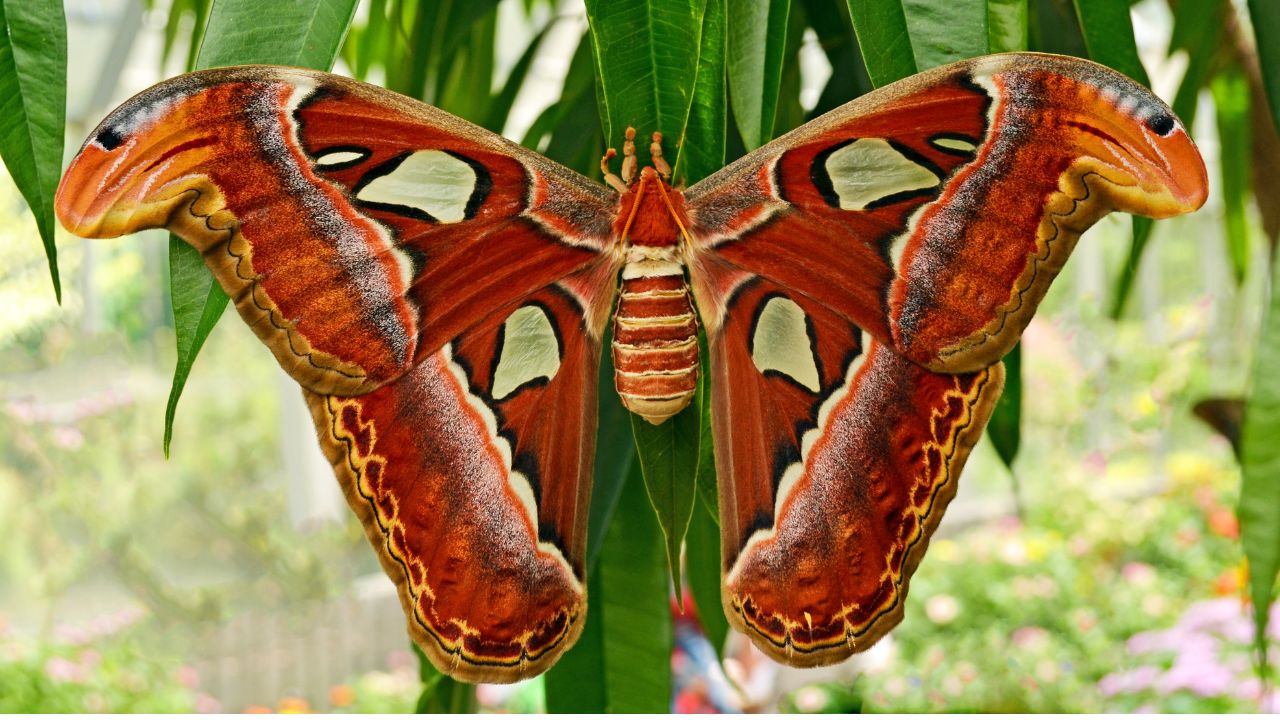
Thinker Moth
Lacinipolia meditata, commonly known as the thinker moth, is a species of owlet moth in the family Noctuidae. It is a medium-sized nocturnal moth found across North America. Adults are attracted to ultraviolet light sources, a common trait among noctuid moths. The species is part of a genus whose members can be difficult to distinguish visually without close examination.
Four-lined Arches
Lacinipolia quadrilineata is a species of owlet moth (Noctuidae) commonly known as the Four-lined Arches. First described by Grote in 1873 from the basionym Mamestra quadrilineata, this moth occurs across North America. The genus Lacinipolia belongs to the tribe Eriopygini within the subfamily Noctuinae. Adults are attracted to lights at night and are active during the summer months.
Lacinipolia spiculosa is a species of cutworm or dart moth in the family Noctuidae, described by Grote in 1883. It is found in North America and is one of several larger owlet moths in the genus Lacinipolia that are attracted to blacklights at night. Species in this genus are difficult to distinguish from one another by appearance alone.
Collared Arches Moth
Lacinipolia strigicollis, commonly known as the collared arches moth, is a species of cutworm or dart moth in the family Noctuidae. The species was described by Wallengren in 1860 and is found in North America. It is assigned MONA/Hodges number 10415. The genus Lacinipolia contains multiple species that are difficult to distinguish visually without close examination.
curve-lined looper, spring hemlock looper, curved-lined looper moth
Lambdina fervidaria is a geometrid moth found in eastern North America. Adults have a wingspan of approximately 27 mm and are active from May to August. The species has two recognized subspecies with slightly different host plant preferences. Larvae feed on hardwood trees including oaks and ashes, while the subspecies L. f. athasaria specializes on conifers such as balsam fir, spruce, and eastern hemlock.
pitch pine looper, eastern pine looper, yellow-headed looper, yellow-headed looper moth
Lambdina pellucidaria is a geometrid moth found in eastern North America, commonly known as the pitch pine looper or yellow-headed looper. The species is associated with pine habitats and has been documented feeding on pitch pine, red pine, and other hard pines, as well as oak. Adults are active from March to June with regional variation, and exhibit nocturnal pheromone-mediated mating activity between midnight and 3 AM. Larvae are distinctive loopers that mine needles rather than consuming them completely, a trait that aids in identification.
Lambdina punctata is a geometrid moth species known as a looper, documented in Utah and recorded as a host for the ichneumon wasp Coccygomimus sanguinipes erythropus. The species belongs to a genus of moths commonly associated with woody plants, though specific life history details for this species remain limited in available sources.
Lampronia aenescens is a small moth in the family Prodoxidae, first described by Walsingham in 1888. It is known from western North America, where adults are active in June. The species has a wingspan of 10.5–13.5 mm. Larvae feed on Rosa woodsii.
Lampronia oregonella is a small moth species in the family Prodoxidae, first described by Walsingham in 1880. It is known from a limited number of observations in western North America. The larvae have been documented feeding on Heuchera species.
Lampronia russatella is a small moth in the family Prodoxidae, first described by Clemens in 1860. It inhabits mesic forests in eastern North America. The species is known from limited observations, with adults active during late spring and early summer.
Victorian Lamplighter Moth
Lamprosema victoriae is a moth in the family Crambidae, described by Harrison Gray Dyar Jr. in 1923. It is commonly known as the Victorian Lamplighter Moth. The species has been recorded in the south-central United States, with confirmed occurrences in Louisiana, Mississippi, Oklahoma, and Texas. As a member of the subfamily Spilomelinae, it belongs to a diverse group of grass moths and related species.
Lasionycta benjamini is a species of moth in the family Noctuidae, first described by Hill in 1927. It belongs to the genus Lasionycta, which was revised in 2009 with keys and descriptions published for 43 species including this one. The species is known from mountainous regions in the western United States.
Lasionycta caesia is a noctuid moth restricted to high-elevation alpine habitats in the Pacific Northwest. It was described in 2009 as part of a comprehensive revision of the genus Lasionycta. The species occurs exclusively in rocky alpine tundra near tree line in the Cascade Mountains of northern Washington and the British Columbia Coast Range, extending north to 58° latitude. Adults are active for a brief period from mid-July to mid-August.
Lasionycta coloradensis is a noctuid moth described by Richards in 1943. The species is endemic to the Rocky Mountains of western North America, with confirmed records from the Montana-Wyoming border south to New Mexico. It was among the 43 species treated in the comprehensive 2009 revision of the genus Lasionycta.
Lasionycta fergusoni is a nocturnal moth in the family Noctuidae, described by Crabo & Lafontaine in 2009. It inhabits subalpine forests across the Pacific Northwest and western Canada, from southern Washington through British Columbia and Alberta to southern Yukon. Adults are active from late June to mid-August. The species is part of a genus revision that described 17 new North American species.
Lasionycta leucocycla is a noctuid moth with a broad Holarctic distribution spanning Scandinavia, Siberia, and northern North America. Adults are active from June to July and have been observed feeding on nectar from specific flowering plants. The species exhibits notable subspecific variation across its range, with multiple described subspecies, some of which may represent distinct species.
Lasionycta mono is a species of noctuid moth described in 2009 by Crabo and Lafontaine. The species is known exclusively from its type locality in the Sierra Nevada of California. With a wingspan of approximately 26 mm, it represents a poorly documented member of a genus that underwent significant revision in 2009, when 17 new species were described. The specific epithet 'mono' refers to Mono County or the Mono Basin region of California.
Latebraria is a genus of moths in the family Erebidae, subfamily Calpinae, established by Achille Guenée in 1852. The genus contains three described species distributed in southern North America and Central America. These moths are part of the diverse noctuoid fauna of the Neotropical and Nearctic regions.
Latebraria amphipyroides is a moth species in the family Erebidae, first described by Guenée in 1852. It occurs from the southern United States through Central America, with confirmed records from Cuba and Costa Rica. The species belongs to the subfamily Calpinae, a group of moths often associated with fruit-feeding habits.
Ledaea is a genus of moths in the family Erebidae, erected by Herbert Druce in 1891. The genus is currently treated as a synonym of Spargaloma (Grote, 1873) by authoritative sources including the Global Lepidoptera Names Index and Catalogue of Life. The genus originally contained three described species: Ledaea arciva from Panama, Ledaea marcella from Costa Rica, and Ledaea perditalis from North America. These species are now classified under Spargaloma.
Lost Owlet, Buttonbush Owlet
Ledaea perditalis is a small erebid moth commonly known as the Lost Owlet or Buttonbush Owlet. It is widely distributed across eastern and central North America, with adults active primarily during spring and summer months. The species has been documented feeding on buttonbush and woolgrass as larvae.
Leptostales is a genus of geometrid moths in the subfamily Sterrhinae, established by Möschler in 1890. The genus contains multiple species, with Leptostales ignifera being the most studied due to its potential as a biocontrol agent for the invasive weed Lantana camara. Members are leaf-feeding moths found in subtropical regions of the Americas.
Cross's wave moth, Cross' Wave
Leptostales crossii is a species of geometrid moth in the subfamily Sterrhinae, commonly known as Cross's wave moth. It is characterized by wave-patterned forewings typical of its genus. The species was described by George Duryea Hulst in 1900. It is documented in North America with a moderate number of citizen science observations.
Leptosteges parthenialis is a small crambid moth described in 1917 from the southern United States. The species is documented from Florida, Louisiana, and Oklahoma. Adults are active during the warmer months, with flight records spanning May through August.
Lerina is a monotypic genus of lichen moths in the family Erebidae, subfamily Arctiinae, tribe Lithosiini. The genus contains a single species, Lerina incarnata, commonly known as the crimson-bodied lichen moth. This moth is native to arid regions of southwestern North America, specifically Mexico and southern Arizona. The genus was established by Francis Walker in 1854.
crimson-bodied lichen moth
Lerina incarnata, the crimson-bodied lichen moth, is the sole member of the monotypic genus Lerina. The species was first described by Francis Walker in 1854. It belongs to the family Erebidae, subfamily Arctiinae (tiger and lichen moths), and tribe Lithosiini (lichen moths). The species is found in Mexico and southern Arizona.
Lesmone fufius is a moth species in the family Erebidae, first described by Schaus in 1894. The species is native to North America and is assigned MONA/Hodges number 8652. It belongs to the genus Lesmone within the subfamily Erebinae. Very few observations of this species have been documented.
Letispe is a monotypic moth genus in the family Geometridae, established by Alexander Douglas Campbell Ferguson in 2008. The genus contains a single described species, Letispe metanemaria, originally described by George Duryea Hulst in 1887. This genus is restricted to the southwestern North American region.
Two-lined Wainscot, Comma Wainscot
Leucania commoides is a noctuid moth species found in North America, with records from Canadian provinces and the northern United States. The species is commonly known as the Two-lined Wainscot or Comma Wainscot, referring to characteristic forewing markings. Adults are attracted to light and have been documented in substantial numbers on iNaturalist.
Leucania solita is a moth species in the family Noctuidae, described by Francis Walker in 1856. It is currently treated as a synonym of Leucania humidicola. The species has been recorded in North America. As a noctuid moth, it belongs to a large and diverse family commonly known as owlet moths.
Leucanopsis perdentata is a moth in the family Erebidae, originally described by William Schaus in 1901. It is distributed across parts of Central America and the southwestern United States. The species has a wingspan of approximately 35 mm. It belongs to the tiger moth subfamily Arctiinae, though specific biological details remain poorly documented.
Leucocnemis variabilis is a species of moth in the family Noctuidae, described by Barnes and McDunnough in 1918. It belongs to the genus Leucocnemis, which contains multiple species of noctuid moths distributed in North America. The specific epithet 'variabilis' suggests morphological variation within the species.
Leucomele is a genus of small moths established by Dietz in 1905. The genus is currently placed in the family Meessiidae, though it was historically associated with Tineidae. It contains multiple species distributed primarily in North America. The genus is relatively poorly documented in scientific literature.
Lineodes elcodes is a moth in the family Crambidae, first described by Harrison Gray Dyar Jr. in 1910. It is one of approximately 80 described species in the genus Lineodes, a group of small to medium-sized moths commonly known as lineodes moths. The species has a limited documented distribution in southwestern North America.
Sooty Lipocosmodes Moth
Lipocosmodes fuliginosalis is a small crambid moth and the sole member of its genus. It occurs across eastern North America from Quebec to Florida and west to Texas and Illinois. The specific epithet fuliginosalis refers to its sooty, dark coloration. It is classified in the subfamily Glaphyriinae, a group of small moths often associated with leaf litter and herbaceous vegetation.
Small Mossy Glyph, Small Mossy Lithacodia Moth
Lithacodia musta is a small noctuid moth found across eastern and central North America. The species was originally described as Erastria musta and has also been placed in the genus Deltote. It is commonly encountered in a variety of habitats from New England south to Florida and west to Arizona and Wisconsin. The moth is part of the diverse noctuid fauna that includes many similar small species, making field identification challenging without close examination.
Lithacodia phya is a species of owlet moth in the family Noctuidae. It was described by Druce in 1889. The species is recorded from North America and has been assigned the MONA/Hodges number 9055.
Lithophane boogeri is a species of owlet moth in the family Noctuidae, described by James T. Troubridge in 2006. It belongs to the genus Lithophane, a group of moths commonly known as 'pinions' that are active primarily during late autumn and winter. The species is known from a small number of observations, reflecting its likely rarity or restricted distribution.
dashed gray pinion
Lithophane disposita, the dashed gray pinion, is a species of cutworm or dart moth in the family Noctuidae. It is found in North America, with records from Canada (Alberta, Manitoba, Saskatchewan) and the United States (Vermont). The species is assigned MONA/Hodges number 9892.
Grote's Pinion, Grote's Sallow
Lithophane grotei is a medium-sized noctuid moth species native to North America. First described by Riley in 1882, it is commonly known as Grote's pinion or Grote's sallow. The species belongs to the genus Lithophane, a group of moths often referred to as pinions or sallows, many of which are associated with woody host plants. The species has been documented across a broad geographic range in North America with over 1,600 observations recorded.
Dimorphic Pinion, Branded Pinion
Lithophane patefacta is a noctuid moth species native to North America. It is known by two common names: 'Dimorphic Pinion' and 'Branded Pinion'. The species was first described by Francis Walker in 1858 under the basionym Xylina patefacta. It belongs to the genus Lithophane, a group of moths commonly referred to as pinions.
Lithostege angelicata is a species of moth in the family Geometridae, subfamily Larentiinae. It was described by Harrison Gray Dyar in 1923. The species is known to occur in North America. Like other members of the genus Lithostege, it is a small geometrid moth, though specific details about its biology remain poorly documented in published literature.
Lithostege marcata is a species of moth in the family Geometridae described by Barnes and McDunnough in 1916. It is known from North America. The species is assigned MONA/Hodges number 7630. Very few observations exist, with limited published information on its biology.
Litodonta contrasta is a species of prominent moth in the family Notodontidae, described by Barnes and McDunnough in 1910. It belongs to a small genus of North American moths. The species name 'contrast' likely refers to distinct pattern elements on the wings. Like other notodontids, adults are nocturnal and larvae are external feeders on woody plants.
palm flower moth, palm budworm
Litoprosopus coachella, commonly known as the palm flower moth or palm budworm, is a moth species in the family Erebidae. The species is notable for its larval stage, which feeds on palm flowers and buds, particularly of ornamental fan palms. Mature caterpillars abandon host plants to pupate, frequently entering human dwellings where they spin cocoons incorporating carpet fibers and other materials. The species is widely distributed in North America, with substantial populations in urban areas of the southwestern United States where palm landscaping is common. Adult moths are dull-colored and nocturnal.
Litoprosopus confligens is a species of owlet moth in the family Erebidae. It is found in North America. The species has been assigned MONA/Hodges number 8559. Very little specific information is available for this species compared to its congener Litoprosopus coachella, which is well-documented as a palm-associated pest in the southwestern United States.
Bluish Spring Moth, Wild Cherry Looper
Lomographa semiclarata is a geometrid moth commonly known as the Bluish Spring Moth or Wild Cherry Looper. It occurs across North America and has been recorded in Canadian provinces including Alberta, Manitoba, and Saskatchewan, as well as the United States. The species is assigned MONA/Hodges number 6666. The common name 'Wild Cherry Looper' suggests larval association with Prunus species, though this relationship requires verification.
Lophocampa bicolor is a moth in the family Erebidae, subfamily Arctiinae, described by Francis Walker in 1855. The species is known from Mexico and Big Bend National Park, Texas. The original description provides detailed morphological information for males, including distinctive coloration and wing patterns.
Lophocampa ingens is a tiger moth in the family Erebidae, described by Henry Edwards in 1881. It is endemic to the southern Rocky Mountains of the United States and Mexico. Adults are active in late spring, while larvae feed on several pine species. The species is distinguished by its patterned forewings with multiple rows of white spots on a dark brown background.
spotted tussock moth, yellow-spotted tussock moth, mottled tiger, spotted halisidota
Lophocampa maculata is a tiger moth in the family Erebidae, commonly known as the spotted tussock moth despite not being a true tussock moth (family Lymantriidae). The species was first described by Harris in 1841. Adults fly from May to July with one generation per year. The caterpillar is notable for its distinctive coloration: black at both ends with a yellow or orange middle section marked with black spots in some populations. The species is found across Canada, the western United States, and southward in the Appalachians to South Carolina and Kentucky.