Lipocosmodes fuliginosalis
Fernald, 1888
Sooty Lipocosmodes Moth
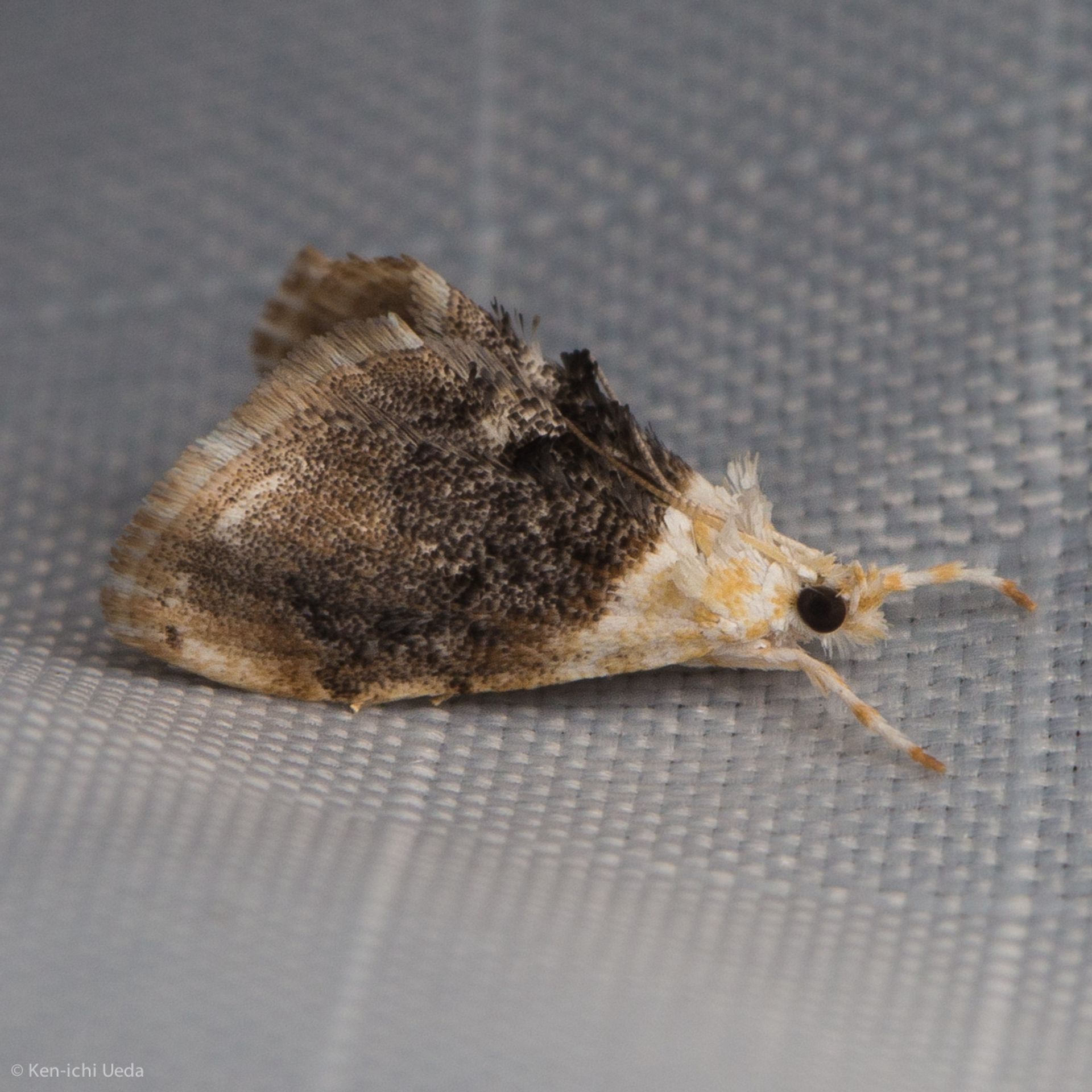
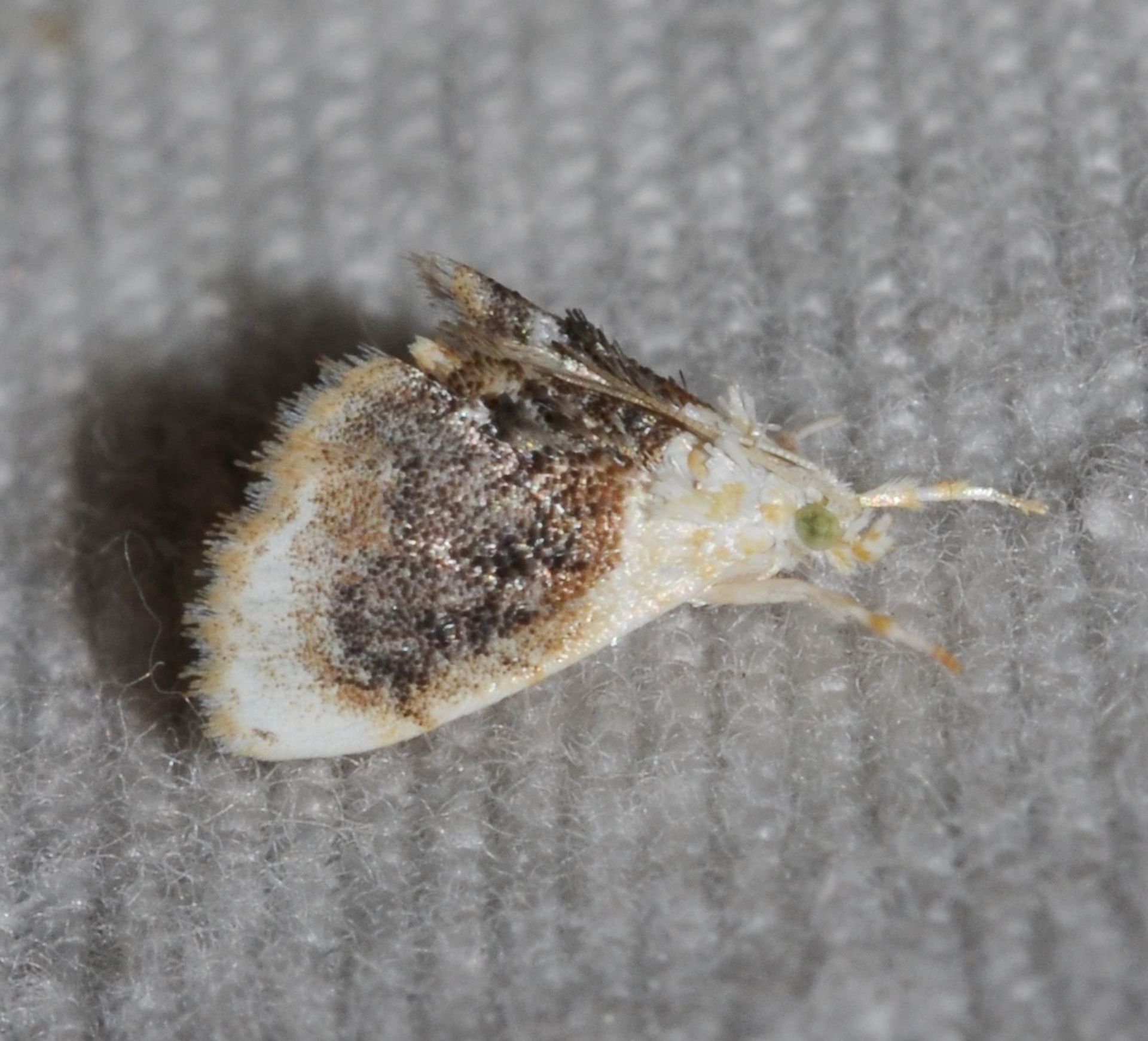
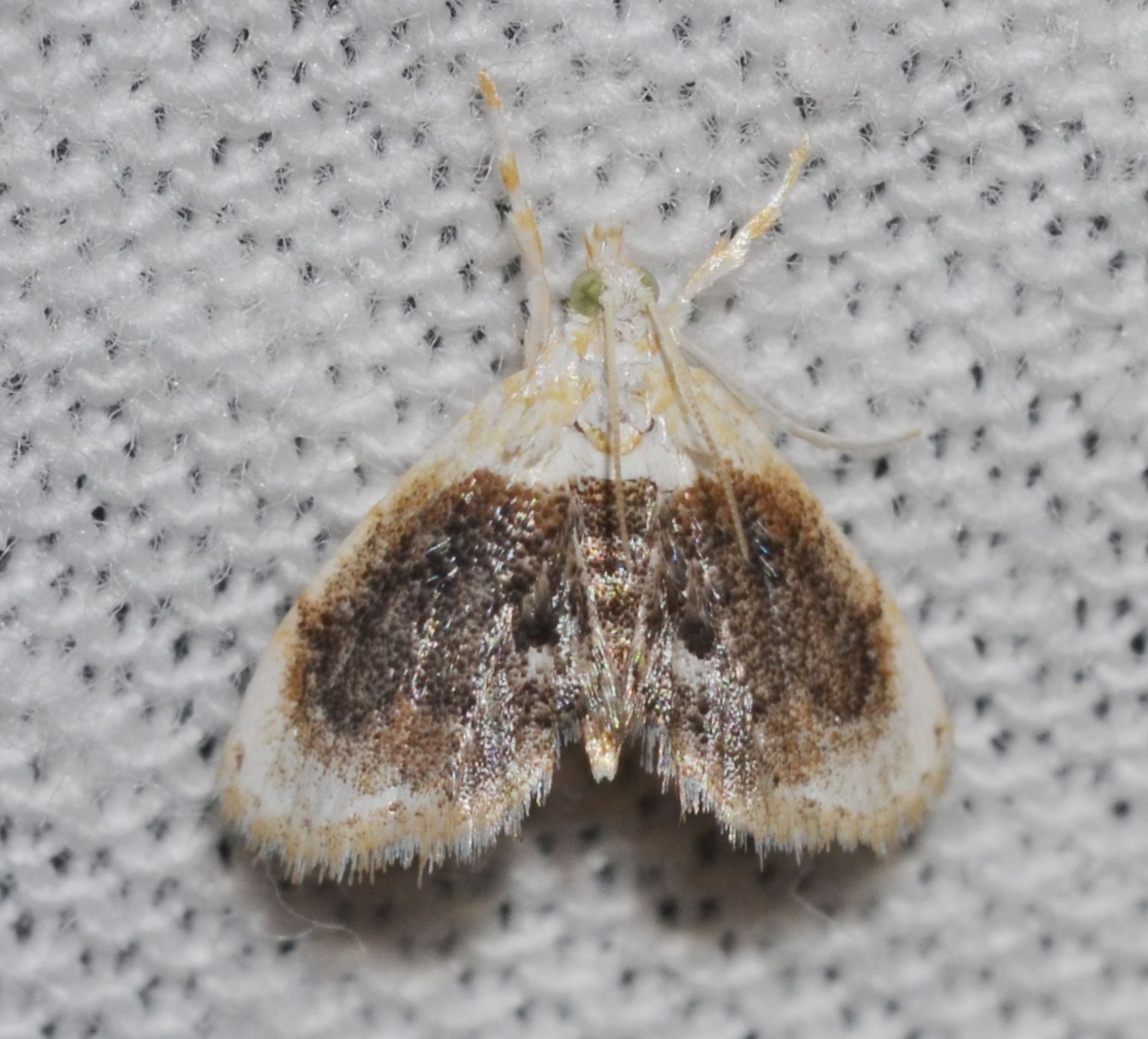
Lipocosmodes fuliginosalis is a small crambid and the sole member of its . It occurs across eastern North America from Quebec to Florida and west to Texas and Illinois. The specific epithet fuliginosalis refers to its sooty, dark coloration. It is classified in the Glaphyriinae, a group of small moths often associated with leaf litter and herbaceous vegetation.
Pronunciation
How to pronounce Lipocosmodes fuliginosalis: /ˌlɪpoʊˈkɒsmoʊˌdiːz ˌfjuːlɪdʒɪˈnoʊsəlɪs/
These audio files are automatically generated. While they are not always 100% accurate, they are a good starting point.
Identification
Distinguished from similar small dark crambids by its uniformly sooty dark forewings without bold transverse lines or spots. Glaphyriinae often show reduced patterning compared to other Crambidae. Separated from Lipocosma by genitalic characters and subtle wing shape differences. Dark coloration distinguishes it from most other North American Glaphyriinae, which tend toward lighter browns or show more distinct markings.
Images
Habitat
Associated with deciduous and mixed forests, woodland edges, and areas with herbaceous ground cover. occur in supporting the larval plants. Specific microhabitat preferences for stages remain poorly documented.
Distribution
Eastern North America: Quebec to Florida, west to Illinois and Texas. Records from Vermont confirm northern range extent. Absent from western North America.
Seasonality
recorded from May through September in most of range, with peak activity in June and July. Multiple likely in southern portion of range; single or partial second generation in northern areas.
Life Cycle
Complete with , larval, pupal, and stages. Larval poorly documented; likely feeds on herbaceous vegetation or leaf litter based on characteristics. Specific plants unknown.
Behavior
are and attracted to light. Resting posture typical of crambids with wings folded tent-like over body. activity concentrated during warm, humid evenings.
Ecological Role
Larval stage likely contributes to decomposition of herbaceous plant material or leaf litter. serve as prey for including bats and birds. Specific ecological functions require further study.
Human Relevance
No economic significance. Occasionally encountered by enthusiasts at light traps. Not a pest .
Similar Taxa
- Lipocosma speciesFormerly congeneric; separated based on genitalic and subtle wing venation differences. Lipocosma typically show more distinct wing patterning with contrasting lines or spots.
- Other GlaphyriinaeMost North American glaphyriines are lighter in color or show more pronounced wing patterns; L. fuliginosalis is notably darker and more uniform.
More Details
Taxonomic history
Originally described as Lipocosma fuliginosalis by Fernald in 1888. Transferred to Lipocosmodes based on distinctive genitalic . The genus name reflects its relationship to Lipocosma while acknowledging its distinct status.
Subfamily placement
Classification in Glaphyriinae confirmed by molecular and morphological data. This includes many small, inconspicuous crambids with reduced wing patterning and associations with ground-level vegetation.