Lasionycta fergusoni
Crabo & Lafontaine, 2009
Lasionycta fergusoni is a in the Noctuidae, described by Crabo & Lafontaine in 2009. It inhabits subalpine forests across the Pacific Northwest and western Canada, from southern Washington through British Columbia and Alberta to southern Yukon. are active from late June to mid-August. The is part of a revision that described 17 new North American species.
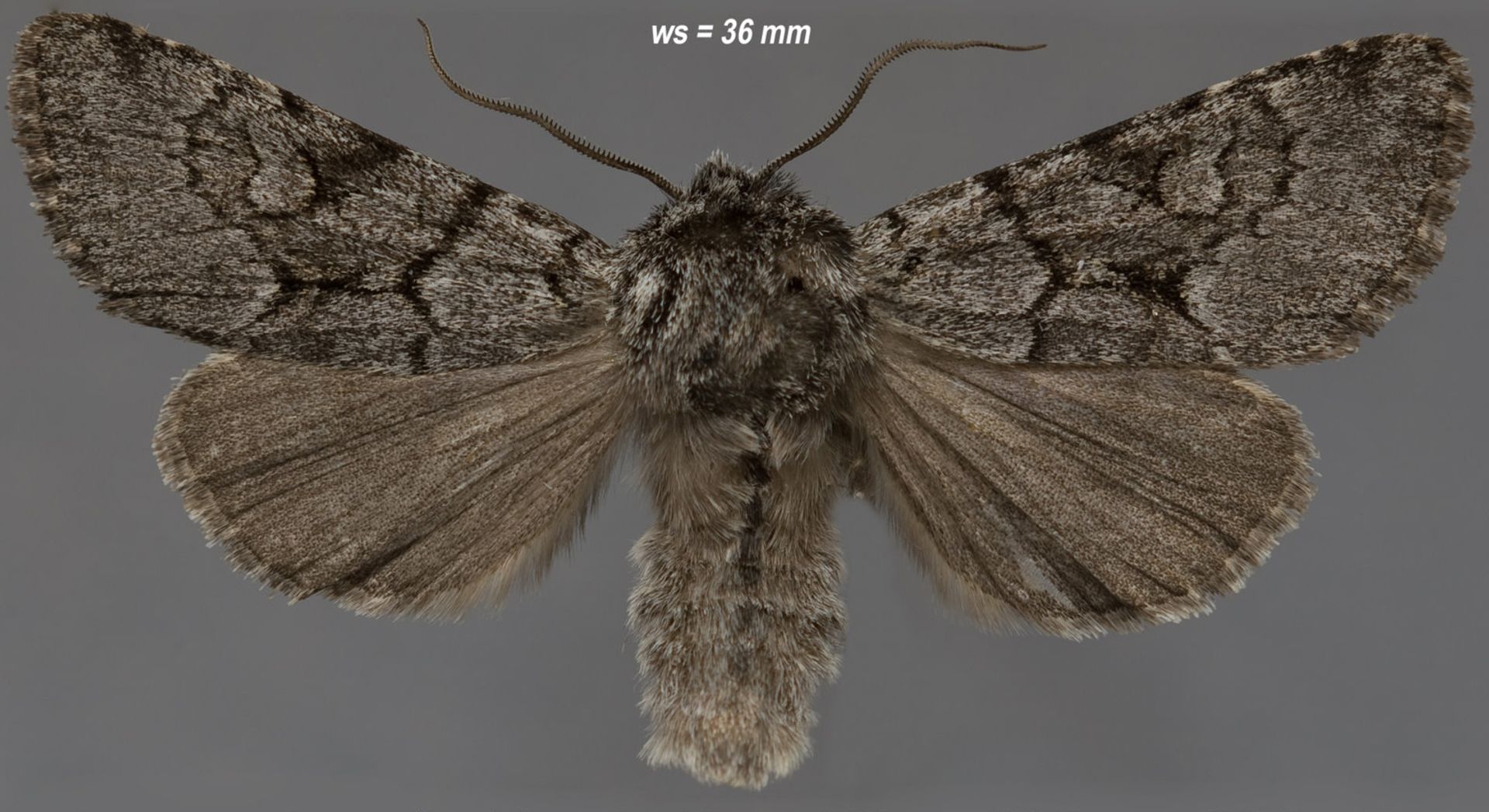
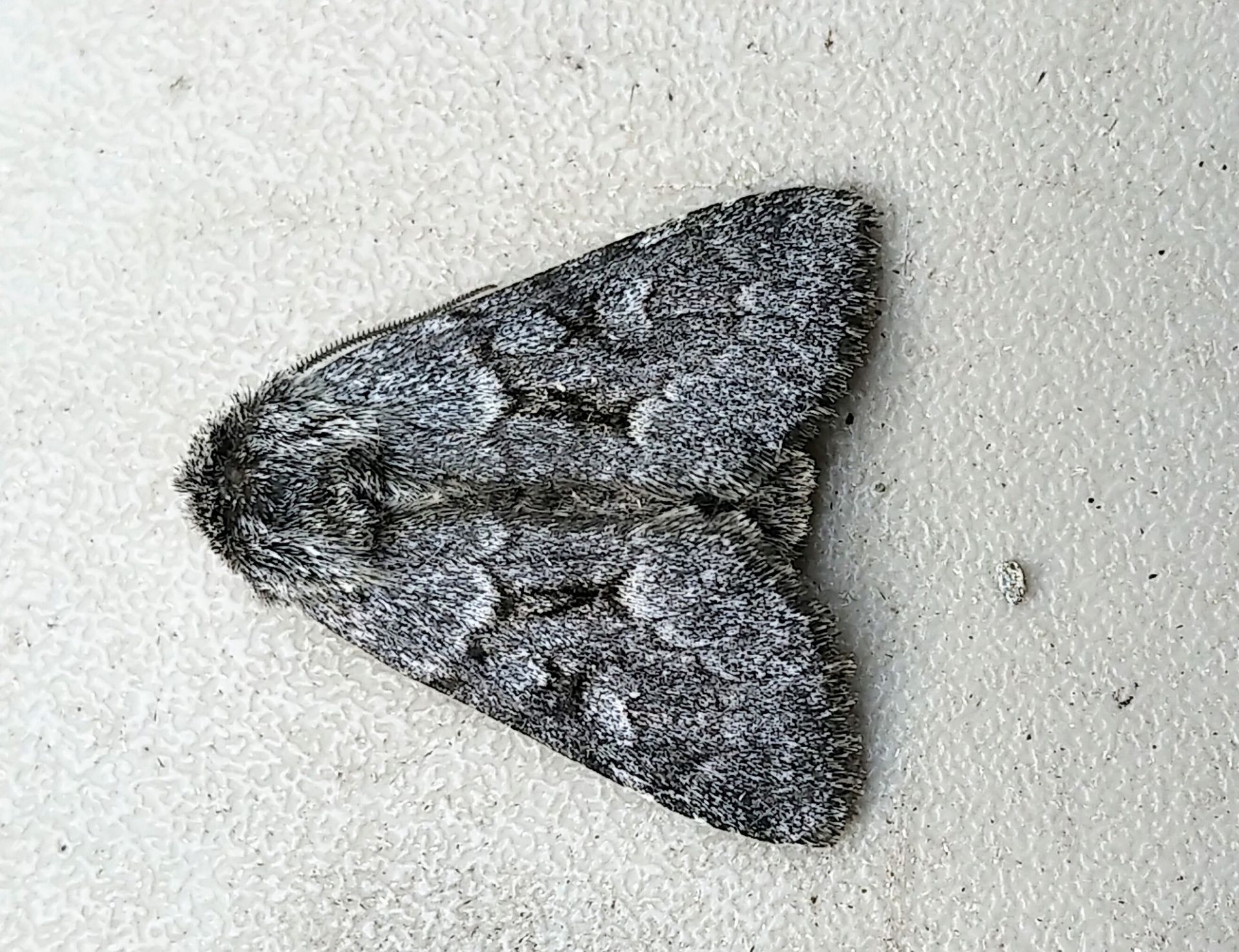
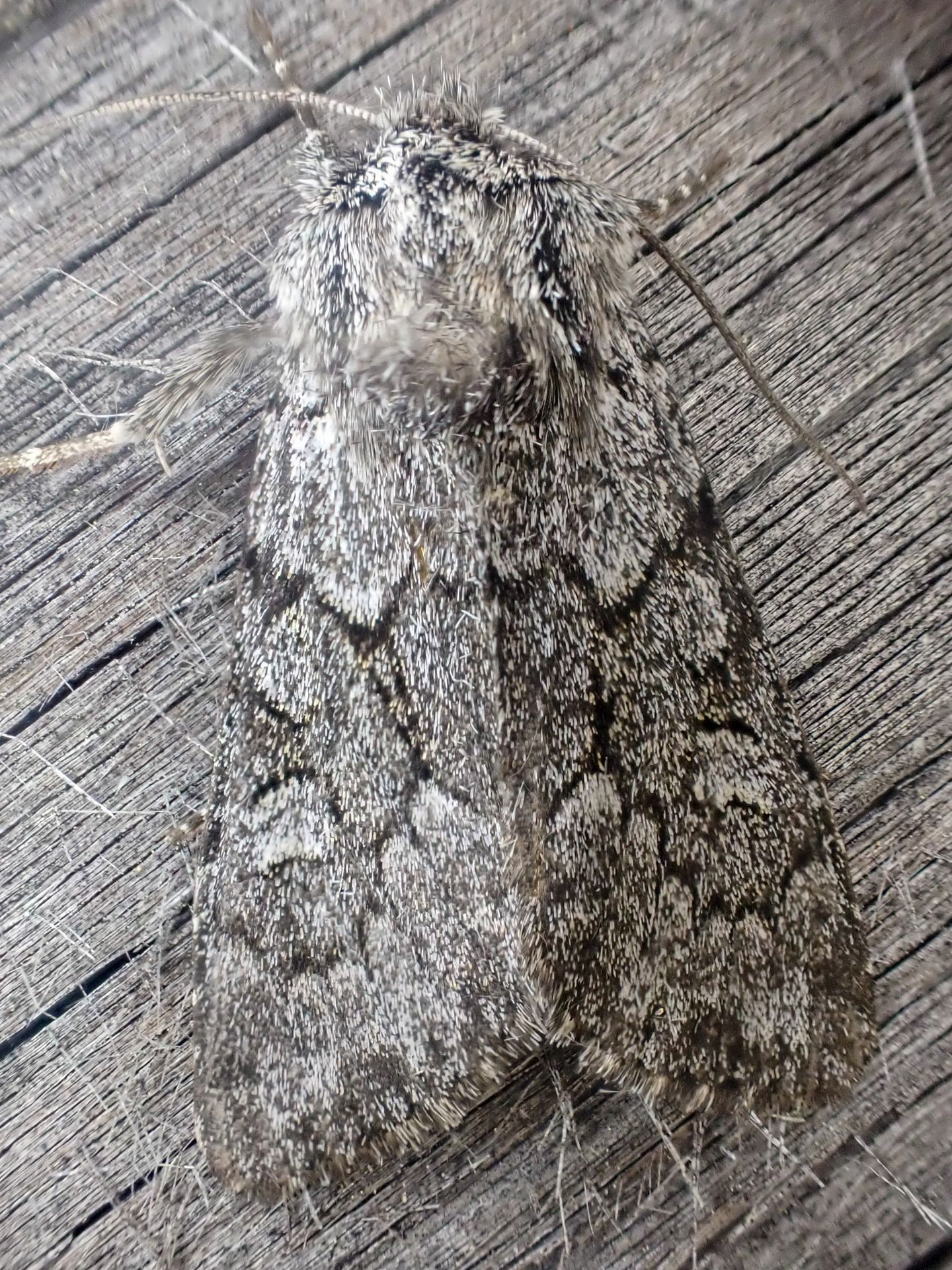
Pronunciation
How to pronounce Lasionycta fergusoni: /ˌleɪziˈɒnɪktə fɜrˈɡuːsəni/
These audio files are automatically generated. While they are not always 100% accurate, they are a good starting point.
Identification
The can be distinguished from other Lasionycta species through the detailed morphological criteria established in the 2009 revision by Crabo & Lafontaine. Specific diagnostic characters are documented in the original taxonomic description.
Images
Habitat
Subalpine forests in mountainous regions of the Pacific Northwest and western Canada.
Distribution
Southern Washington Cascades through British Columbia and Alberta to southern Yukon.
Seasonality
are on wing from late June to mid-August.
Behavior
activity pattern. fly during summer months.
Similar Taxa
- Other Lasionycta speciesLasionycta fergusoni was described as part of a comprehensive 2009 revision that distinguished 17 new North American in this ; precise separation requires examination of genitalia and other morphological characters detailed in the original description.
More Details
Taxonomic history
This was described in 2009 as part of a major revision of Lasionycta for North America, which also established a new and described two new species of Tricholita.