
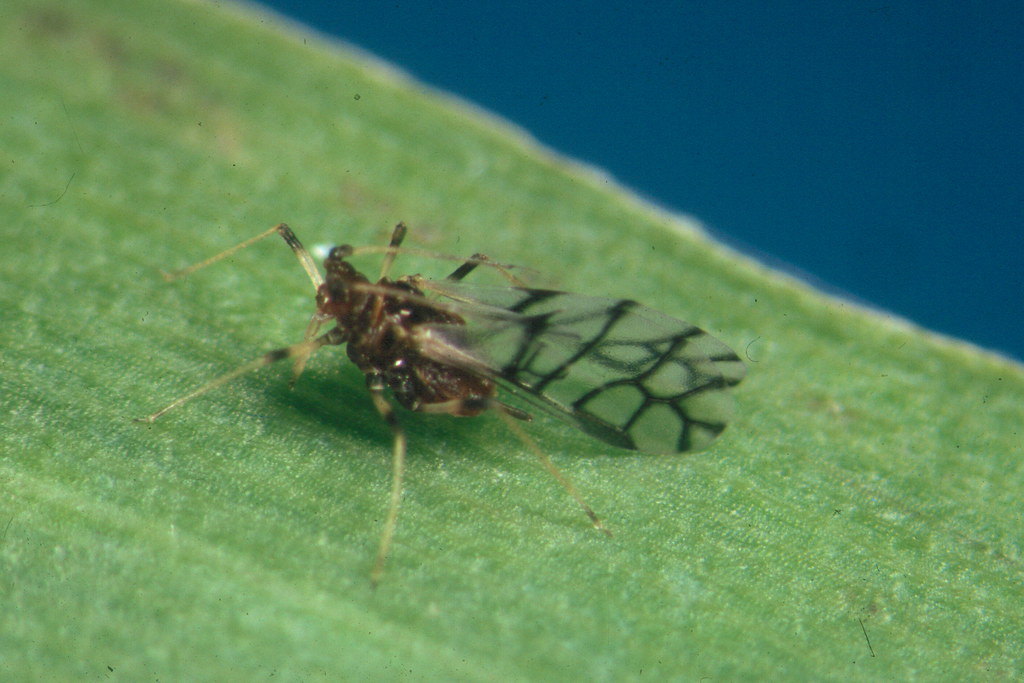
People usually talk about aphids like they are already explained. Tiny green bugs. Bad for the roses. Spray them, squish them, move on. That is not wrong. It is just a very small version of the story.
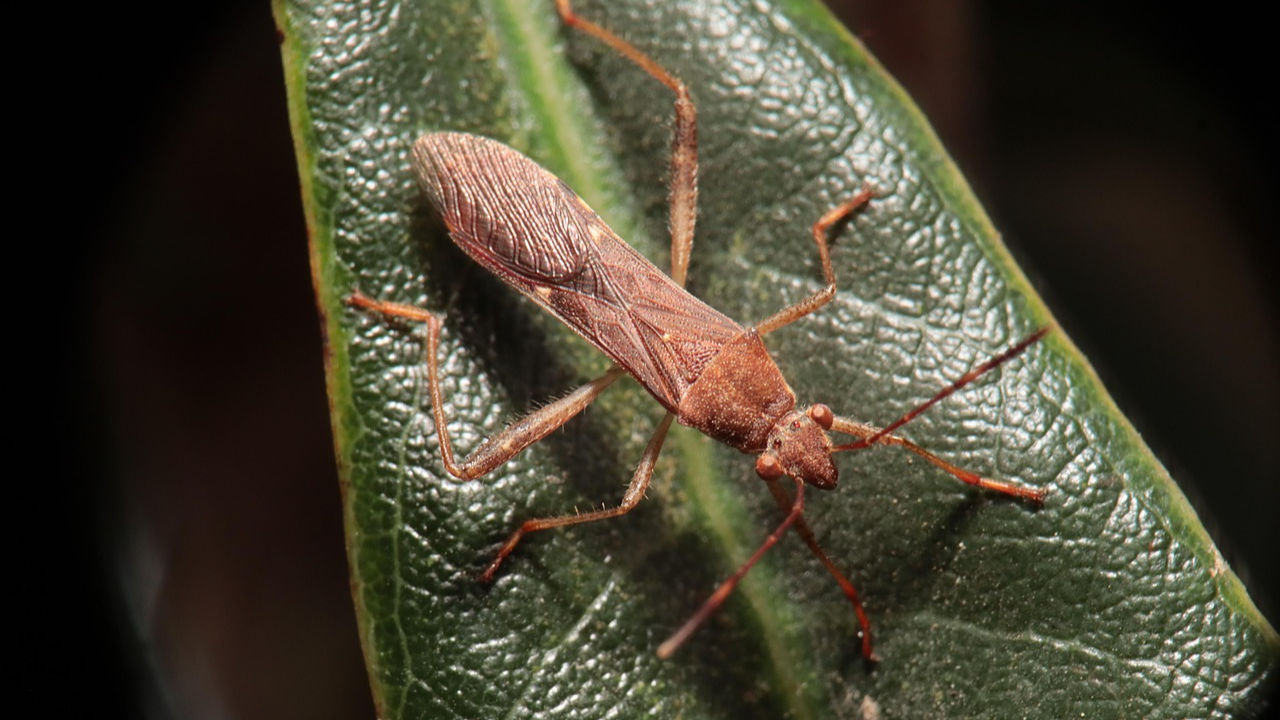
Aradus compressus is a species of flat bug in the family Aradidae, first described by Heidemann in 1907. It is found in North America, with distribution records indicating presence in the Western Nearctic region excluding Beringia. The genus Aradus comprises numerous species commonly associated with dead wood habitats.
Aradus concinnus is a species of flat bug in the family Aradidae, described by Bergroth in 1892. Flat bugs in this genus are typically associated with dead wood habitats, living on and under bark where they feed on fungal hyphae. The species is recorded from North America, though specific details about its biology and distribution within this range remain poorly documented in available sources.
flat bug
Aradus crenatus is a species of flat bug in the family Aradidae, first described by Thomas Say in 1832. The species has been recorded from Central America and North America, with additional reports from Europe. GBIF indicates its current accepted status is as a synonym of Aradus conspicuus, though this taxonomic treatment may vary across sources. As with other members of the genus Aradus, it belongs to a group of cryptic insects associated with dead wood habitats.
Aradus curticollis is a species of flat bug in the family Aradidae, described by Bergroth in 1913. Like other members of the genus Aradus, it belongs to a group of true bugs commonly associated with dead wood habitats. The species is recorded from North America, though specific details about its biology and ecology remain poorly documented in available literature.
Aradus debilis is a species of flat bug in the family Aradidae, described by Uhler in 1876. It is distributed across North America. As a member of the flat bug family, it likely shares the characteristic dorsoventrally flattened body form typical of Aradidae, though specific details about its biology remain poorly documented in available sources.
Aradus depictus is a species of flat bug in the family Aradidae, described by Van Duzee in 1917. As a member of this family, it has the dorsoventrally flattened body form characteristic of aradids. The species is recorded from North America, though specific ecological details remain poorly documented. Like other Aradus species, it likely inhabits forested environments where it feeds on fungal mycelia.
Aradus duzeei is a species of flat bug in the family Aradidae, described by Bergroth in 1892. It is found in North America. Flat bugs in this family are characterized by their dorsoventrally flattened bodies and association with dead wood habitats.
flat bug
Aradus falleni is a species of flat bug in the family Aradidae, first described by Carl Stål in 1860. It belongs to a family characterized by dorsoventrally flattened bodies adapted for living in confined spaces under bark. The species has a broad distribution across the Caribbean Sea, Central America, North America, and South America. As with other members of Aradidae, it is likely associated with dead or decaying wood habitats, though specific ecological details for this species remain limited in published literature.
Aradus funestus is a species of flat bug in the family Aradidae, first described by Bergroth in 1913. It belongs to the genus Aradus, which comprises approximately 200 species of bark-dwelling true bugs. The species is found in North America, though specific details about its biology and ecology remain poorly documented in the scientific literature.
Aradus fuscomaculatus is a species of flat bug in the family Aradidae, first described by Stål in 1859. As a member of the flat bug family, it exhibits the characteristic dorsoventrally flattened body form typical of this group. The species is known from North America, where it inhabits forest environments associated with dead wood. Like other aradids, it is likely associated with subcortical habitats, though specific ecological details for this species remain poorly documented.
Aradus gracilicornis is a species of flat bug in the family Aradidae, described by Stål in 1873. It belongs to a family of true bugs characterized by their dorsoventrally flattened bodies and association with dead wood habitats. The species is known from the Caribbean Sea region and North America.
Aradus implanus is a species of flat bug in the family Aradidae, described by Parshley in 1921. It belongs to the genus Aradus, which comprises approximately 200 species of bark-dwelling true bugs. The species is known from North America. Flat bugs in this genus are typically associated with dead or decaying wood habitats. Beyond basic taxonomic and distributional information, specific details about its biology and ecology remain limited in the available literature.
Aradus inornatus is a species of flat bug in the family Aradidae, first described by Uhler in 1876. It is distributed in North America. As a member of the Aradidae, it belongs to a family of true bugs commonly known as flat bugs, which are typically associated with dead wood habitats.
flat bug
Aradus insolitus is a species of flat bug in the family Aradidae, described by Van Duzee in 1916. It is distributed in North America, particularly in the western Nearctic region including California. Like other members of the genus Aradus, it belongs to a group of true bugs adapted to living in concealed habitats such as under bark. The species is represented by limited observational records, with 22 observations documented on iNaturalist.
Aradus intectus is a species of flat bug in the family Aradidae, first described by Parshley in 1921. It belongs to a family of true bugs characterized by their dorsoventrally flattened bodies and association with dead wood habitats. The species is known to occur in North America. As with other members of Aradidae, it likely inhabits subcortical environments, though specific ecological details remain poorly documented.
Aradus intermedius is a species of flat bug in the family Aradidae, described by Usinger in 1936. The species belongs to a genus of bark-dwelling true bugs characterized by their dorsoventrally flattened bodies. As with other members of Aradidae, it is presumed to inhabit subcortical environments, though specific details of its biology remain poorly documented in the provided sources.
pine flat bug
Aradus kormilevi is a species of flat bug in the family Aradidae, commonly known as the pine flat bug. It was described by Heiss in 1980 and is known from North America. The species is part of a family whose members are typically associated with dead wood habitats.
flat bug
Aradus lugubris is a species of flat bug in the family Aradidae, first described by Fallén in 1807. It is one of the most widely distributed species in its genus, occurring across the Holarctic region in both Europe and North America. The species is known from forest habitats where it lives under the bark of dead trees. Two subspecies are recognized: A. lugubris lugubris and A. lugubris nigricornis.
Aradus medioximus is a species of flat bug in the family Aradidae, described by Parshley in 1921. The genus Aradus comprises bark-dwelling true bugs commonly associated with dead wood habitats. Species in this genus are characterized by their dorsoventrally flattened bodies, an adaptation for living under bark. As with other members of Aradidae, they are thought to feed on fungal hyphae and decaying organic matter, though specific details for A. medioximus remain poorly documented. The species is recorded from North America.
California near Aradus behrensi
Aradus nr-behrensi-calif is a flat bug species in the family Aradidae, designated with the "nr" (near) prefix indicating it closely resembles but may not be conspecific with Aradus behrensi. The "calif" suffix suggests California origin. Flat bugs in this genus are typically associated with dead wood habitats. This designation is commonly used in entomological collections when precise species identification requires further taxonomic verification.
Aradus opertaneus is a species of flat bug (family Aradidae) described by Parshley in 1921. As a member of the Aradidae, it belongs to a group of true bugs commonly associated with dead wood habitats. The species is currently accepted and has been recorded from North America. Flat bugs in this genus are typically small, dorsoventrally flattened insects with reduced wings.
Aradus ornatus is a species of flat bug in the family Aradidae, first described by Thomas Say in 1832. It is found in North America. Like other members of the genus Aradus, it belongs to a group of true bugs adapted to life under bark and in association with dead wood.
Aradus ovatus is a species of flat bug in the family Aradidae, described by Kormilev in 1966. Flat bugs in this genus are characterized by their dorsoventrally flattened bodies, an adaptation for living under bark and in tight spaces. The species is known from North America, though specific details about its biology and ecology remain limited in available literature.
Aradus cf-oviventris is a flat bug (family Aradidae) in the order Hemiptera. The 'cf.' designation indicates a tentative identification comparing the specimen to Aradus oviventris. Members of the genus Aradus are commonly known as flat bugs and are typically associated with dead wood habitats. The specific epithet 'oviventris' refers to an egg-shaped abdomen.
flat bug
Aradus paganicus is a species of flat bug in the family Aradidae, described by Parshley in 1929. It is native to North America. As a member of the flat bug family, it belongs to a group of true bugs adapted for life in concealed habitats such as under bark.
Aradus pannosus is a species of flat bug in the family Aradidae, described by Van Duzee in 1920. It belongs to a genus of bark-dwelling true bugs found primarily in the Northern Hemisphere. Species in this genus are typically associated with dead wood habitats. The specific epithet 'pannosus' (Latin for 'ragged' or 'clothed in rags') may allude to surface texture or appearance.
Aradus patibulus is a species of flat bug in the family Aradidae, described by Van Duzee in 1927. The genus Aradus comprises bark-dwelling true bugs commonly found on and under the bark of dead trees. Species in this genus are frequently preserved as inclusions in Baltic amber, with 14 species documented from such deposits.
flat bug
Aradus persimilis is a species of flat bug in the family Aradidae, described by Van Duzee in 1916. It is distributed in North America. As a member of the Aradidae family, it belongs to a group of true bugs commonly known as flat bugs, which are typically associated with dead wood habitats.
Aradus pictellus is a species of flat bug in the family Aradidae, order Hemiptera. Flat bugs in this genus are typically found in association with dead wood habitats. The species is part of a diverse genus with both extant and fossil representatives, including species preserved in Baltic amber dating to the Eocene epoch.
Aradus proboscideus is a species of flat bug (family Aradidae) described by Walker in 1873. It belongs to a group of insects characterized by dorsoventrally flattened bodies adapted for living in confined spaces under bark. The species is known to occur in North America, though detailed biological information remains limited.
four-lined flat bug
Aradus quadrilineatus is a species of flat bug in the family Aradidae, described by Thomas Say in 1825. It is distributed across Central America and North America. As with other members of Aradidae, it is presumed to inhabit dead wood habitats, though specific ecological details for this species remain poorly documented.
flat bug
Aradus robustus is a species of flat bug in the family Aradidae, first described by Uhler in 1871. It is distributed across North America, with confirmed records from the United States including Vermont. The species is one of two recognized subspecies within the Aradus robustus complex, with the nominate subspecies A. r. robustus and A. r. insignis described by Parshley in 1921. As a member of the flat bug family, it belongs to a group of true bugs adapted to life under bark and in decaying wood.
Flat bug
Aradus signaticornis is a species of flat bug in the family Aradidae, first described by Sahlberg in 1848. As a member of the Aradidae family, it belongs to a group of true bugs commonly associated with dead wood habitats. The species has been recorded from Europe, Northern Asia, and North America. Flat bugs in this genus are typically found under bark and in decaying wood, where they feed on fungal hyphae.
Aradus snowi is a species of flat bug (family Aradidae) in the order Hemiptera. The species was described by Van Duzee in 1920. Distribution records indicate presence in both Middle America and North America. As a member of the Aradidae family, it is likely associated with dead wood habitats, though specific ecological details for this species are not well documented.
Aradus taylori is a species of flat bug described by Van Duzee in 1920. As a member of the family Aradidae, it belongs to a group of true bugs commonly associated with dead wood habitats. The species is documented from North America. Flat bugs in this genus are typically small, dorsoventrally flattened insects that live under bark or in other concealed microhabitats.
flat bug
Aradus tuberculifer is a species of flat bug in the family Aradidae, described by Kirby in 1837. It is found in North America. Flat bugs in this genus are typically associated with dead wood habitats.
flat bug
Aradus uniformis is a species of flat bug in the family Aradidae, first described by Heidemann in 1904. It is known from North America. Members of the genus Aradus are commonly associated with dead wood habitats, though species-specific ecological details for A. uniformis remain limited in published literature.
A flat bug species in the genus Aradus, presumably from Arizona based on the provisional name. The genus Aradus comprises bark-dwelling true bugs characterized by their dorsoventrally flattened bodies adapted for living in narrow spaces under bark. Species in this genus are commonly associated with dead or dying trees where they feed on fungal hyphae.
Aradus vadosus is a species of flat bug in the family Aradidae, a group of true bugs characterized by their dorsoventrally flattened bodies. The species was described by Van Duzee in 1920. It is known to occur in North America. Members of the genus Aradus are commonly associated with dead wood habitats, though species-specific details for A. vadosus remain limited in available literature.
Aradus vandykei is a species of flat bug in the family Aradidae, described by Van Duzee in 1927. It belongs to a genus of true bugs commonly associated with dead wood habitats. The species is part of a diverse group of Hemiptera known for their dorsoventrally flattened bodies and cryptic lifestyle under bark.
Archasia auriculata is a species of treehopper in the family Membracidae, characterized by an elaborate pronotal extension that resembles a leaf or plant part. The species was described by Fitch in 1851 and belongs to the tribe Telamonini within the subfamily Smiliinae. Treehoppers in this genus are known for their highly modified pronota that serve as camouflage and protection.
Arhaphe breviata is a true bug species in the family Largidae, described by Barber in 1924. It is one of four recognized Arhaphe species occurring in the United States, distinguished from congeners by morphological characteristics detailed in taxonomic keys. The species belongs to the subfamily Larginae and tribe Araphini.
Arhaphe mimetica is a largid bug (Hemiptera: Heteroptera: Largidae) occurring in the United States. Originally described as Japetus mimeticus in 1911, the species was later transferred to Pararhaphe before being restored to Arhaphe. A lectotype was designated in a 2011 taxonomic revision. It is one of four recognized Arhaphe species in the United States north of Mexico.
Arhyssus barberi is a species of scentless plant bug in the family Rhopalidae, described by Harris in 1942. It belongs to a genus of true bugs (Hemiptera: Heteroptera) commonly known as rhopalid bugs. Members of the genus Arhyssus are typically associated with herbaceous vegetation. The species has been recorded in western North America, including British Columbia.
Arhyssus crassus is a species of scentless plant bug in the family Rhopalidae, described by Harris in 1942. The genus Arhyssus belongs to the tribe Niesthreini within the subfamily Rhopalinae. Records indicate this species occurs in British Columbia and North America broadly, though specific ecological details remain poorly documented in the available literature. As with other members of Rhopalidae, this species likely feeds on plant material, but direct observations of its biology are sparse.
Arhyssus nigristernum is a species of scentless plant bug in the family Rhopalidae. It is distributed across North America, with confirmed records from Ontario and Québec in Canada. As a member of the Rhopalidae, it lacks the scent glands typical of many true bugs. The species was first described by Signoret in 1859.
Arhyssus scutatus is a species of scentless plant bug in the family Rhopalidae, first described by Stål in 1859. The species is distributed across North America. As a member of the Rhopalidae, it belongs to a family characterized by the absence of scent glands, distinguishing them from other coreoid bugs.
Artheneid Bugs
Artheneidae is a family of true bugs in the order Hemiptera, containing approximately 7 genera and at least 20 described species. The family was previously classified within Lygaeidae but is now recognized as distinct. It comprises three subfamilies: Artheneinae, Dilompinae, and Nothochrominae. Members are distributed across parts of Europe, with records from Denmark and Sweden.
Ascra florida is a species of stink bug in the family Pentatomidae, tribe Carpocorini. The genus Ascra contains approximately 20 described species distributed primarily in the Western Hemisphere. Records for A. florida are sparse, with limited documented observations.
Ashlockaria magna is a species of seed bug in the family Rhyparochromidae, described by Brailovsky in 1989. It belongs to the tribe Myodochini within the subfamily Rhyparochrominae. Very little published biological information is available for this species. Records indicate it has been observed in limited numbers, with only three observations documented on iNaturalist.