
People usually talk about aphids like they are already explained. Tiny green bugs. Bad for the roses. Spray them, squish them, move on. That is not wrong. It is just a very small version of the story.
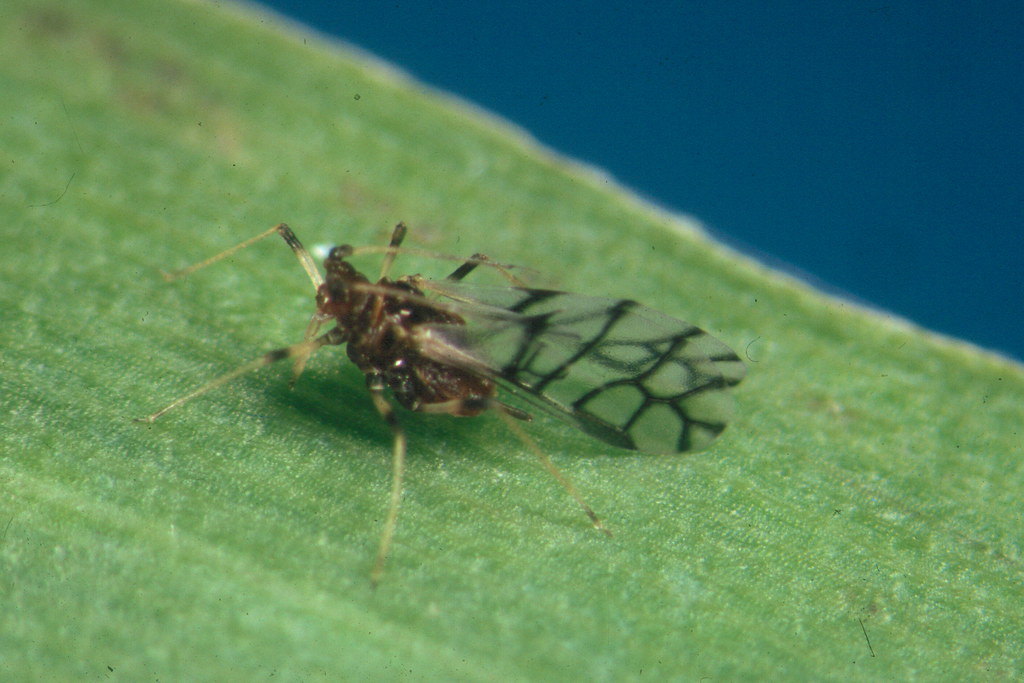
Phylloxera spinosa is a gall-forming insect in the family Phylloxeridae, closely related to aphids. This species induces distinctive galls on its host plants through chemical secretions that manipulate plant tissue development. Like other phylloxerans, it has a complex life cycle involving multiple generations and winged dispersal forms. The species was described by Shimer in 1869 and is currently accepted as valid.
Phylloxera stanfordiana is a species of phylloxeran insect in the family Phylloxeridae, order Hemiptera. It is closely related to aphids and shares their soft-bodied morphology and plant-feeding habits. The species was described by Ferris in 1919. Like other phylloxerans, it is known to induce gall formation on host plants through its feeding activity. The specific epithet 'stanfordiana' refers to Stanford University, where the type specimen was collected in 1904.
Phylloxera stoetzelae is a species of phylloxeran, a group of tiny, soft-bodied, sap-sucking insects closely related to aphids. Members of the genus Phylloxera are known for inducing galls on host plants through chemical secretions that stimulate abnormal plant tissue growth. The species was named in honor of entomologist Mark Stoetzel. Like other phylloxerans, it likely completes a complex life cycle involving both parthenogenetic and sexual reproduction phases, with overwintering eggs hatching in spring to initiate gall formation on new growth.
Phylloxera texana is a species of gall-inducing insect in the family Phylloxeridae, described by Stoetzel in 1981. Like other phylloxerans, it is closely related to aphids and induces abnormal plant growths (galls) on its host plants through chemical secretions that manipulate plant tissue development. The species is presumably associated with pecan or related hickory species given its genus affiliation and geographic name, though specific host records and detailed biology remain poorly documented in available literature.
Phylloxera tuberculifera is a gall-forming insect species in the family Phylloxeridae, first described by Duncan in 1922. As with other phylloxerans, this species induces abnormal plant growths (galls) on host plants through chemical secretions that redirect plant tissue development. The species belongs to a genus containing several economically significant pests, particularly of pecan and grape. Specific host associations and detailed biology for P. tuberculifera remain poorly documented in published literature.
phylloxerans, phylloxerids
Phylloxeridae is a small family of plant-parasitic hemipterans comprising approximately 75 described species across 11 genera and two subfamilies (Phylloxerininae and Phylloxerinae). These minute insects are closely related to aphids and adelgids, with which they share the superfamily Phylloxeroidea. They are specialized gall-formers on deciduous trees and perennial fruit crops, with complex life cycles involving cyclical parthenogenesis and host alternation between primary woody hosts and secondary herbaceous hosts. The family includes the economically devastating grape phylloxera (Daktulosphaira vitifoliae), responsible for the 19th-century European vineyard crisis.
jagged ambush bug
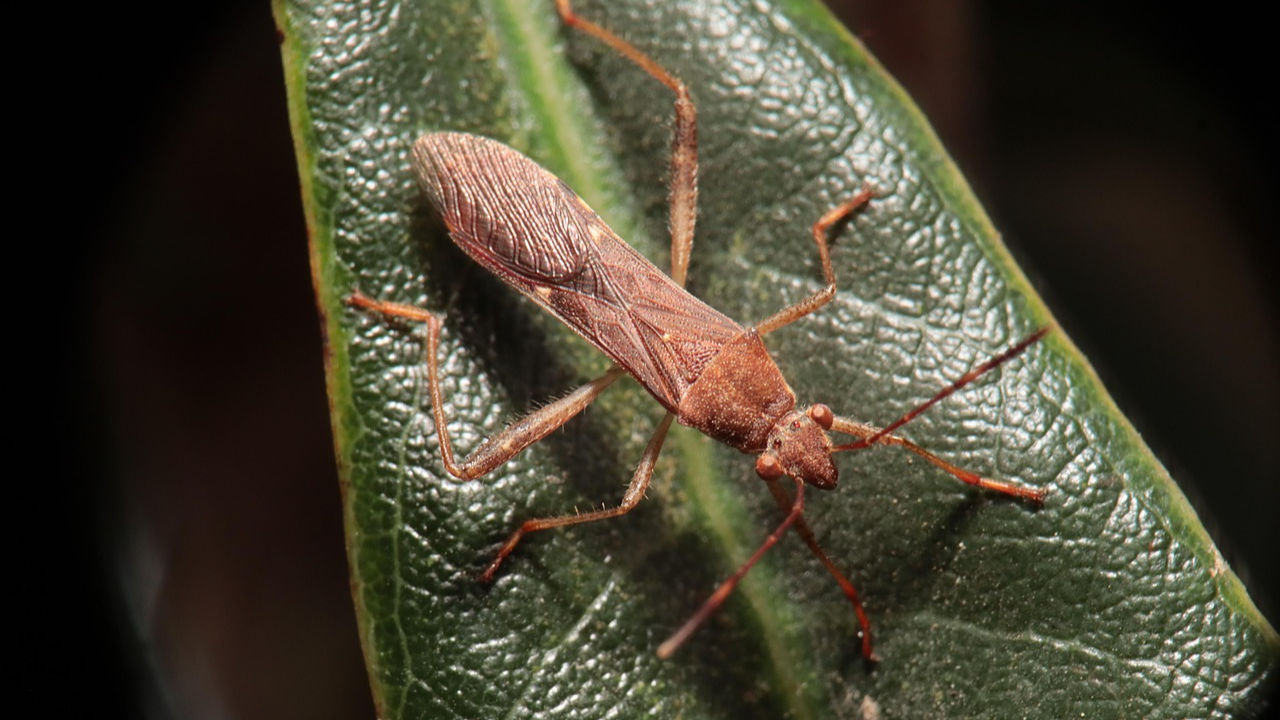
Phymata albopicta is a species of jagged ambush bug in the family Reduviidae. Like other members of the genus Phymata, it is a sit-and-wait predator that hunts on flowers, using raptorial forelegs to seize prey. The species has been documented in North America and Middle America. It exhibits sexual dimorphism, with females being larger and capable of capturing larger prey items.
Jagged Ambush Bug, Ambush Bug
Phymata americana is a predatory true bug in the family Reduviidae, commonly known as the jagged ambush bug. It is native to North and Central America, where it hunts on flowers using a sit-and-wait strategy. The species exhibits sexual dimorphism in body size and weapon morphology, with females typically larger than males and possessing disproportionately longer raptorial forelegs. Color polymorphism occurs, with individuals showing variation in body coloration that appears to influence flower color preference for camouflage.
jagged ambush bug
Phymata americana americana is a subspecies of jagged ambush bug in the family Reduviidae. As an ambush predator, it waits motionless on flowers to capture visiting insects. The subspecies exhibits phenetic variation in color pattern correlated with climate and season. Studies indicate it shows weak initial discrimination when choosing hunting sites from the ground, but improves patch choice by switching positions once atop vegetation. It is capable of hybridizing with the related Phymata pennsylvanica, with no evidence of prezygotic reproductive barriers.
Ambush bug
Phymata borica is a species of ambush bug in the family Reduviidae, described by Evans in 1931. Like other members of the genus Phymata, it is a predatory insect that hunts by waiting motionless on flowers to capture visiting pollinators. The species is found in North America, though specific details about its range and ecology remain limited in available sources.
ambush bug
Phymata fasciata is a species of ambush bug in the family Reduviidae, characterized by its raptorial forelegs adapted for capturing prey. The species occurs across Central America and North America, with four recognized subspecies showing geographic variation. As a member of the Phymatinae, it employs sit-and-wait predation tactics typical of ambush bugs, though specific behavioral and ecological studies for this species remain limited.
jagged ambush bug
Phymata luteomarginata is a species of jagged ambush bug in the family Reduviidae. Like other members of the genus Phymata, it is a sit-and-wait predator that hunts on flowers, seizing pollinators and other flower-visiting insects with raptorial forelegs. The species was described by Kormilev in 1957 and occurs in North America. Specific distinguishing features of this species relative to congeners are not well documented in available sources.
jagged ambush bug
Phymata mystica is a species of jagged ambush bug in the family Reduviidae. Like other members of the genus Phymata, it is an ambush predator that waits on flowers to capture pollinating insects. The species was described by Evans in 1931 and belongs to a group of insects known for their distinctive raptorial forelegs and cryptic coloration that blends with floral backgrounds.
Pacific ambush bug
Phymata pacifica is a species of ambush bug in the family Reduviidae, first described by Evans in 1931. The species is found in North America and includes three recognized subspecies: P. p. pacifica, P. p. hainesi, and P. p. stanfordi. As an ambush bug, it belongs to the subfamily Phymatinae, a group of predatory true bugs known for their distinctive raptorial forelegs used to capture prey.
Pennsylvania ambush bug, Pennsylvania jagged ambush bug
Phymata pennsylvanica, the Pennsylvania ambush bug, is a predatory true bug in the family Reduviidae. It is one of the most common and widespread North American ambush bugs, characterized by its squat, diamond-shaped body and raptorial front legs adapted for seizing prey. The species is known to prey on various flower-visiting insects including bees, wasps, flies, moths, and butterflies. It has been documented preying specifically on the hoverfly Syritta pipiens.
jagged ambush bug
Phymata saileri is a species of jagged ambush bug in the family Reduviidae. Like other members of the genus Phymata, it is a predatory insect that hunts on flowers, using raptorial forelegs to capture prey. The species was described by Kormilev in 1957 and occurs in North America.
Stanford's ambush bug
Phymata stanfordi is an ambush bug in the family Reduviidae. It belongs to the genus Phymata, a group of predatory true bugs known for their distinctive raptorial forelegs used to capture prey. The species epithet "stanfordi" suggests a connection to Stanford University, though specific details about its biology and ecology remain limited in available sources.
Physatocheila is a genus of lace bugs in the family Tingidae, established by Fieber in 1844. The genus comprises at least 50 described species distributed across the Holarctic region, with documented occurrences in Europe (Denmark, Norway, Sweden), North America (United States), and Asia (China, Russian Far East). Species have been described from diverse geographic regions including Sichuan and Yunnan provinces in China, and the southern Primorskiy Territory in the Russian Far East.
Physatocheila brevirostris is a species of lace bug (family Tingidae) described by Osborn and Drake in 1916. It is distributed across North America, with records from numerous Canadian provinces and U.S. states. Like other members of the family, it is a true bug with the characteristic reticulated wing covers that give lace bugs their common name.
Physatocheila variegata is a species of lace bug in the family Tingidae, first described by Parshley in 1916. The species is found across North America with records from Canada and the United States. It belongs to a genus of lace bugs typically associated with woody plants. Two subspecies are recognized: P. v. variegata and P. v. ornata.
Phytocoris acaciae is a species of plant bug in the family Miridae, first described by Knight in 1925. The specific epithet "acaciae" suggests an association with Acacia plants, though detailed biological studies remain limited. As a member of the genus Phytocoris, it is expected to share the general characteristics of mirid plant bugs, including piercing-sucking mouthparts adapted for feeding on plant fluids. The species occurs in arid and semi-arid regions of the southwestern United States and adjacent Mexico.
Phytocoris albicuneatus is a species of plant bug in the family Miridae, described by Stonedahl in 1988. It belongs to a large genus of mostly plant-feeding true bugs. The species epithet 'albicuneatus' refers to a white wedge-shaped marking, likely on the dorsal surface. Like other members of Phytocoris, it probably exhibits mixed feeding habits, consuming plant fluids while occasionally preying on small insects.
Phytocoris albifrons is a species of plant bug in the family Miridae, described by Knight in 1968. It belongs to the large and diverse genus Phytocoris, which contains numerous species of predatory and phytophagous true bugs. The species is known from Arizona, USA, with limited published information on its biology and ecology.
Phytocoris antennalis is a plant bug species in the family Miridae, order Hemiptera. It was described by Reuter in 1909 and is known from North America, with records from the northeastern United States including Maine, New Hampshire, Pennsylvania, and Washington, D.C. Like other members of the genus Phytocoris, it is likely a plant-feeding species with occasional predatory behavior.
Phytocoris becki is a species of plant bug in the family Miridae, described by Knight in 1968. It belongs to a large genus of mostly plant-feeding true bugs. The species is known from arid and semi-arid regions of the western United States. Like other members of Phytocoris, it is likely attracted to lights at night.
A plant bug in the family Miridae described by Reuter in 1876. Records indicate presence in multiple U.S. states including Mississippi, Pennsylvania, Texas, and West Virginia. Like other Phytocoris species, it is likely primarily plant-feeding with occasional predatory behavior.
Phytocoris buenoi is a species of plant bug in the family Miridae, described by Knight in 1920. It belongs to a large genus of mostly plant-feeding true bugs. The species is known from the northeastern United States, with records from New York, Connecticut, Massachusetts, and West Virginia. Like other members of the genus Phytocoris, it is likely primarily phytophagous, feeding on plant sap with piercing-sucking mouthparts.
Phytocoris canadensis is a mirid plant bug in the family Miridae, described by Van Duzee in 1920. The genus Phytocoris comprises mostly plant-feeding true bugs that are typically gray or brown in coloration. Some Phytocoris species have been observed to occasionally prey on smaller insects.
Phytocoris confluens is a species of plant bug in the family Miridae, first described by Reuter in 1909. It belongs to a large genus of predominantly plant-feeding true bugs. Records indicate presence in the eastern and southeastern United States, with observations documented from Georgia, Mississippi, Washington D.C., and West Virginia.
Phytocoris corticola is a species of plant bug in the family Miridae, described by Stonedahl in 1988. It belongs to a genus whose members are typically gray or brown in coloration and primarily feed on plants, with occasional predation on smaller insects. The species has been documented in the southwestern United States, particularly in arid and semi-arid regions. Like other Phytocoris species, it is attracted to lights at night.
Phytocoris decurvatus is a species of plant bug in the family Miridae, described by Knight in 1968. As a member of the genus Phytocoris, it is part of a large and diverse group of mirid bugs found primarily in North America. The species is known from the southwestern United States, particularly Nevada. Like other Phytocoris species, it is likely associated with vegetation and may exhibit both phytophagous and predatory feeding habits.
A mirid plant bug in the genus Phytocoris, described by Knight in 1968. The species name 'empirensis' suggests an association with the American Southwest region (possibly the 'Empire' area or related geographic feature). Like other Phytocoris species, it is likely primarily plant-feeding with occasional predatory behavior on smaller insects.
Phytocoris erectus is a species of plant bug in the family Miridae, described by Van Duzee in 1920. Like other members of the genus Phytocoris, it is typically gray or brown in coloration and primarily associated with plant-feeding habits, though some predation on smaller insects has been observed in related species. The species occurs in the eastern United States.
Phytocoris eurekae is a species of plant bug in the family Miridae, described by Bliven in 1966. It belongs to a large genus of mirid bugs that are primarily associated with vegetation. The species is documented from western North America, with records from California. Like other members of its genus, it possesses piercing-sucking mouthparts characteristic of true bugs.
Phytocoris exemplus is a species of plant bug in the family Miridae, described by Knight in 1926. It belongs to a diverse genus of mirid bugs found primarily in North America. Members of the genus Phytocoris are typically small, plant-associated true bugs with piercing-sucking mouthparts.
Phytocoris eximius is a species of plant bug in the family Miridae, first described by Reuter in 1876. It is a true bug (Hemiptera) found in North America, with records from the eastern and southern United States. As a member of the large genus Phytocoris, it shares the general characteristics of plant bugs in this group, though specific distinguishing features require close examination.
Phytocoris fulvus is a species of plant bug in the family Miridae, first described by Knight in 1920. It belongs to the large genus Phytocoris, which contains numerous species of plant-feeding true bugs. The species has been documented in several eastern and northeastern U.S. states. Like other members of its genus, it is likely associated with vegetation where it feeds on plant sap using piercing-sucking mouthparts.
Phytocoris hispidus is a species of plant bug in the family Miridae, described by Linnavuori in 1986. Very little is documented about this species specifically. The genus Phytocoris comprises numerous small, soft-bodied bugs that are primarily plant-feeding, with some species known to occasionally prey on smaller insects. This species has been recorded from Saudi Arabia.
Phytocoris hypoleucoides is a species of plant bug in the family Miridae, described by Stonedahl in 1988. As a member of the genus Phytocoris, it belongs to a diverse group of mirid bugs primarily associated with vegetation. The species epithet 'hypoleucoides' suggests a resemblance to forms with white or pale underparts. Like other Phytocoris species, it is likely a plant-feeder with occasional predatory behavior on smaller insects.
Phytocoris infuscatus is a species of plant bug in the family Miridae, first described by Reuter in 1909. The species is known from scattered records in eastern North America, including Georgia, Washington D.C., and West Virginia. As a member of the genus Phytocoris, it belongs to a diverse group of mirid plant bugs that are primarily plant-feeding with occasional predatory behavior.
Phytocoris laevis is a species of plant bug in the family Miridae, first described by Uhler in 1895. The genus Phytocoris is diverse and widespread, with species typically found in North America. Like other members of its genus, this species is primarily a plant-feeder, though Phytocoris species have been observed occasionally preying on smaller insects. The species occurs in western North America, with documented records from Colorado, New Mexico, and Washington.
Phytocoris lasiomerus is a species of plant bug in the family Miridae, described by Reuter in 1909. The species belongs to a large genus of mostly plant-feeding true bugs. Like other members of Phytocoris, it likely exhibits the typical mirid body plan with piercing-sucking mouthparts adapted for feeding on plant fluids. The specific epithet 'lasiomerus' refers to hairy or woolly femora, a distinctive morphological feature of this species.
Phytocoris luteolus is a species of plant bug in the family Miridae, first described by Knight in 1923. It belongs to a large genus of mirid bugs commonly associated with vegetation. The species is documented from several states in the eastern and southern United States.
Phytocoris maricopae is a species of plant bug in the family Miridae, first described by Stonedahl in 1988. It belongs to a large genus of mirid bugs that are primarily associated with vegetation. The species is recorded from several western U.S. states. Like other members of Phytocoris, it is likely a plant-feeding insect with occasional predatory behavior.
Phytocoris maritimus is a species of plant bug in the family Miridae, described by Van Duzee in 1920. The specific epithet 'maritimus' suggests an association with coastal or marine-influenced habitats. Like other members of the genus Phytocoris, it is likely a plant-feeding insect, though detailed biological information remains limited.
Phytocoris nicholi is a species of plant bug in the family Miridae, described by Knight in 1928. It belongs to a large genus of mostly phytophagous true bugs. The species is known from Arizona, USA. Like other Phytocoris species, it is likely primarily plant-feeding with occasional predatory behavior on smaller insects.
Phytocoris pallidicornis is a species of plant bug in the family Miridae, a diverse group of true bugs characterized by their plant-feeding habits. The species was described by Reuter in 1876 and is known from North America. Like other members of the genus Phytocoris, it is likely primarily phytophagous, feeding on plant sap with piercing-sucking mouthparts. Specific biological details for this species remain limited in available sources.
Phytocoris planituberis is a species of plant bug in the family Miridae, described by Stonedahl in 1988. It belongs to a large genus of primarily phytophagous true bugs. The species has been recorded from the southwestern United States.
plant bug
Phytocoris puella is a species of plant bug in the family Miridae, first described by Reuter in 1876. It belongs to the large and diverse genus Phytocoris, which contains numerous small predatory and plant-feeding true bugs. The species is documented from scattered localities in eastern North America.
Phytocoris pulchellus is a species of plant bug in the family Miridae, described by Knight in 1934. It is a small hemipteran insect belonging to a large genus of predominantly plant-feeding true bugs. The species has been documented from Arizona, USA, with limited observational records available. Like other members of the genus Phytocoris, it likely inhabits vegetation where it feeds on plant sap using piercing-sucking mouthparts.