
Margaroniini
Swinhoe & Cotes, 1889
Genus Guides
19- Agathodes
- Antigastra(sesame webworm)
- Azochis
- Chabula
- Colomychus
- Compacta
- Condylorrhiza(Poplar Moth)
- Cydalima
- Diaphania
Margaroniini is the most -rich tribe within the Spilomelinae (Crambidae), comprising approximately 1,116 species across 74 . The tribe was established in 1889 and includes numerous economically significant agricultural pests. Many species have larvae that feed on cultivated crops, causing substantial damage to legumes, cucurbits, olives, peaches, coconuts, and box trees.
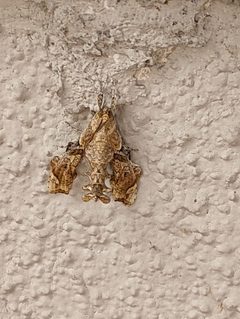
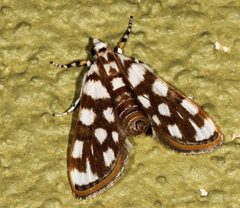
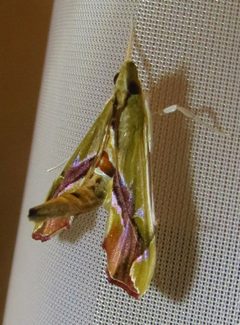
Pronunciation
How to pronounce Margaroniini: //ˌmɑːrɡəˈroʊniˌaɪnaɪ//
These audio files are automatically generated. While they are not always 100% accurate, they are a good starting point.
Images
Distribution
distribution with found across tropical, subtropical, and temperate regions worldwide.
Diet
Larvae of many feed on agricultural crops. Documented include: legumes (Maruca vitrata), olives (Palpita vitrealis), cucurbits (Diaphania indica), peach and other fruits (Conogethes punctiferalis), coconut (Omiodes blackburni), and box tree (Cydalima perspectalis).
Host Associations
- legumes - larval food plantMaruca vitrata (legume pod borer)
- Olea europaea - larval food plantPalpita vitrealis (jasmine )
- Cucurbitaceae - larval food plantDiaphania indica (cucumber moth)
- Prunus persica and other fruits - larval food plantConogethes punctiferalis (yellow peach )
- Cocos nucifera - larval food plantOmiodes blackburni (coconut leafroller)
- Buxus - larval food plantCydalima perspectalis (box tree moth)
Ecological Role
Larvae function as herbivores, with many acting as primary consumers on agricultural and ornamental plants. Some species are significant defoliators or fruit borers.
Human Relevance
Contains multiple major agricultural pests causing economic damage to crops. The legume pod borer, cucumber moth, yellow peach , and box tree moth are subjects of pest management programs. The box tree moth has become an pest in Europe, threatening ornamental boxwood plantings.
Similar Taxa
- other Spilomelinae tribesMargaroniini is distinguished by being the most -rich tribe in the ; precise morphological distinctions require examination of genitalia and wing venation patterns by
More Details
Taxonomic history
Originally described as Margaronidae by Swinhoe and Cotes in 1889, later reclassified as a tribe within Spilomelinae.