
Condylorrhiza
Lederer, 1863
Poplar Moth
Species Guides
1- Condylorrhiza vestigialis(Alamo Moth)
Condylorrhiza is a of crambid established by Lederer in 1863, containing four described . The genus includes economically significant pests, particularly Condylorrhiza vestigialis, which feeds on Populus species and is known as the poplar moth. Research has focused on its communication system and mass rearing for programs.
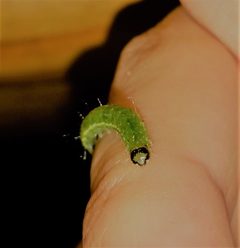
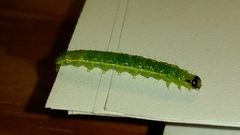
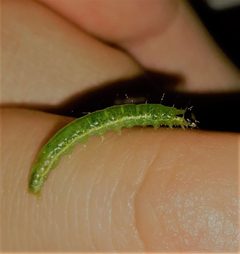
Pronunciation
How to pronounce Condylorrhiza: //ˌkɒndɪloʊˈraɪzə//
These audio files are automatically generated. While they are not always 100% accurate, they are a good starting point.
Images
Distribution
Brazil (confirmed for C. vestigialis); broader distribution unknown for
Diet
Larvae of Condylorrhiza vestigialis feed on Populus spp. (poplar); other ' diets unknown
Host Associations
- Populus - larval plantConfirmed for C. vestigialis only
Life Cycle
Complete : larva (caterpillar), pre-pupa, pupa, . Females begin calling from first scotophase after , with maximum calling between 7th-10th hours of scotophase; calling duration increases with age until fourth scotophase. Number of larval instars observed in laboratory conditions.
Behavior
Virgin females exhibit calling to attract males via . Maximum calling occurs between 7th-10th hours of scotophase; onset time of calling does not differ with age. Mean calling bout duration 20.8 minutes. Number of calling bouts increases significantly with female age.
Ecological Role
Herbivore; pest of Populus spp. in Brazil. Targeted for using .
Human Relevance
Economic pest of poplar plantations. Subject of research for -based monitoring and detection. Mass rearing developed for production in pest control programs.
More Details
Research Focus
Most published research on Condylorrhiza concentrates on C. vestigialis, particularly its chemical and laboratory rearing. The other three (C. epicapna, C. oculatalis, C. zyphalis) are poorly studied.
Pheromone Biology
A single EAD-active peak has been identified as the putative of C. vestigialis, with potential applications for monitoring and detection of seasonal onset.