
Condylorrhiza vestigialis
Guenée, 1854
Alamo Moth, Brazilian Poplar Moth
A crambid native to the Americas, known as the Alamo Moth or Brazilian Poplar Moth. Larvae are specialized feeders on Populus , making this species a significant pest of poplar and cottonwood plantations in Brazil. exhibit well-documented calling , with virgin females releasing during specific nighttime hours to attract males. The species has been extensively studied for applications, particularly for production.
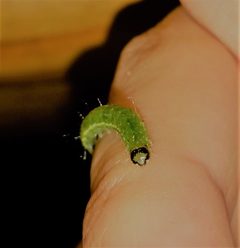
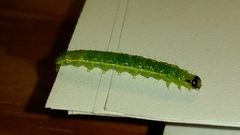
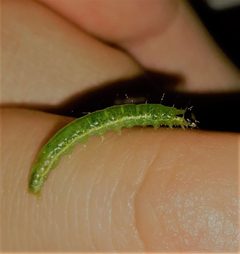
Pronunciation
How to pronounce Condylorrhiza vestigialis: /ˌkɒndɪlɔːˈraɪzə vɛˌstɪdʒiˈælɪs/
These audio files are automatically generated. While they are not always 100% accurate, they are a good starting point.
Images
Habitat
Associated with Populus (poplar/cottonwood trees); specific preferences beyond plant association have not been documented.
Distribution
North and South America; specifically documented as a pest in Brazil.
Diet
Larvae feed on Populus (poplar/cottonwood).
Host Associations
- Populus - primary Larval food plant; is a documented pest of Populus plantations in Brazil.
Life Cycle
Complete with four stages: , larva (caterpillar), pupa, and . Larvae pass through multiple instars before . Laboratory studies indicate four diets can support complete development from larva to reproductive adult.
Behavior
Virgin females exhibit calling beginning from their first scotophase after , with maximum calling activity between hours 7-10 of the scotophase. Calling duration increases with female age through the fourth scotophase, while onset time remains constant. Mean calling bout duration averages 20.8 minutes. Males respond to female gland extracts with 70% attraction rate in laboratory tests.
Ecological Role
Herbivore; defoliating pest of Populus in plantation settings. Subject to programs using .
Human Relevance
Economic pest of poplar and cottonwood plantations in Brazil. Mass rearing protocols have been developed for production as a agent. research suggests potential applications for monitoring and seasonal detection.