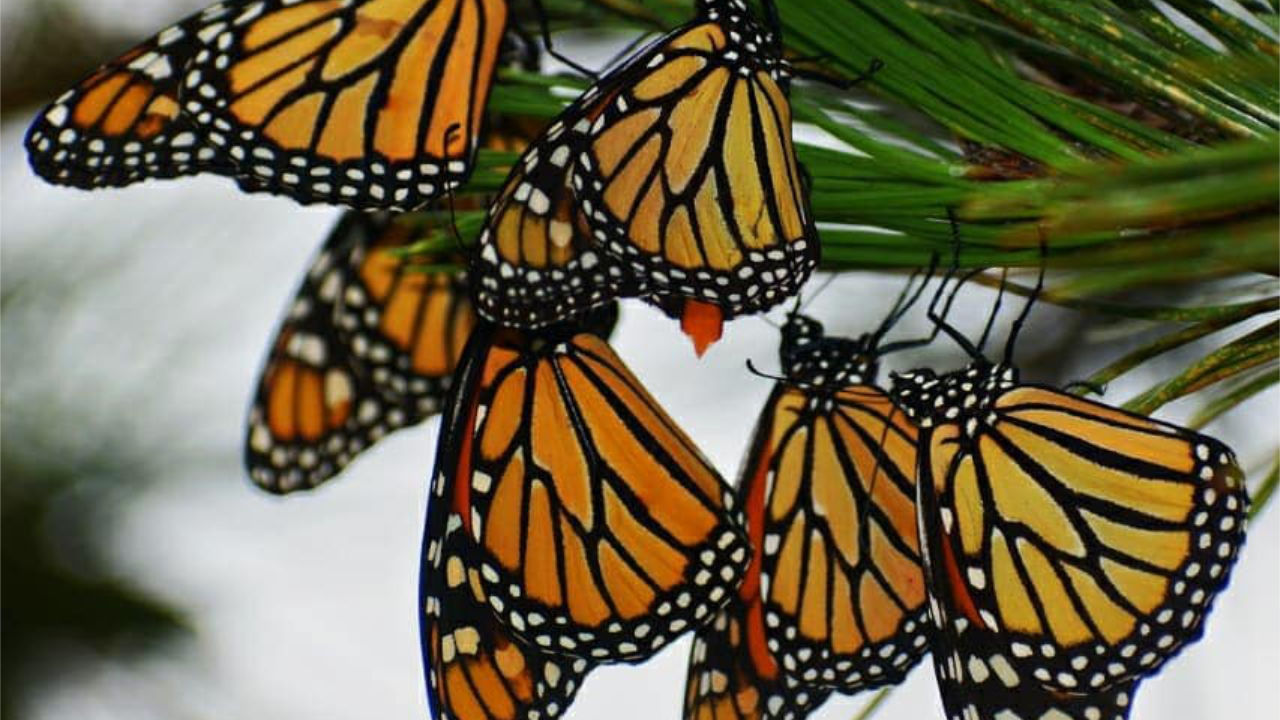
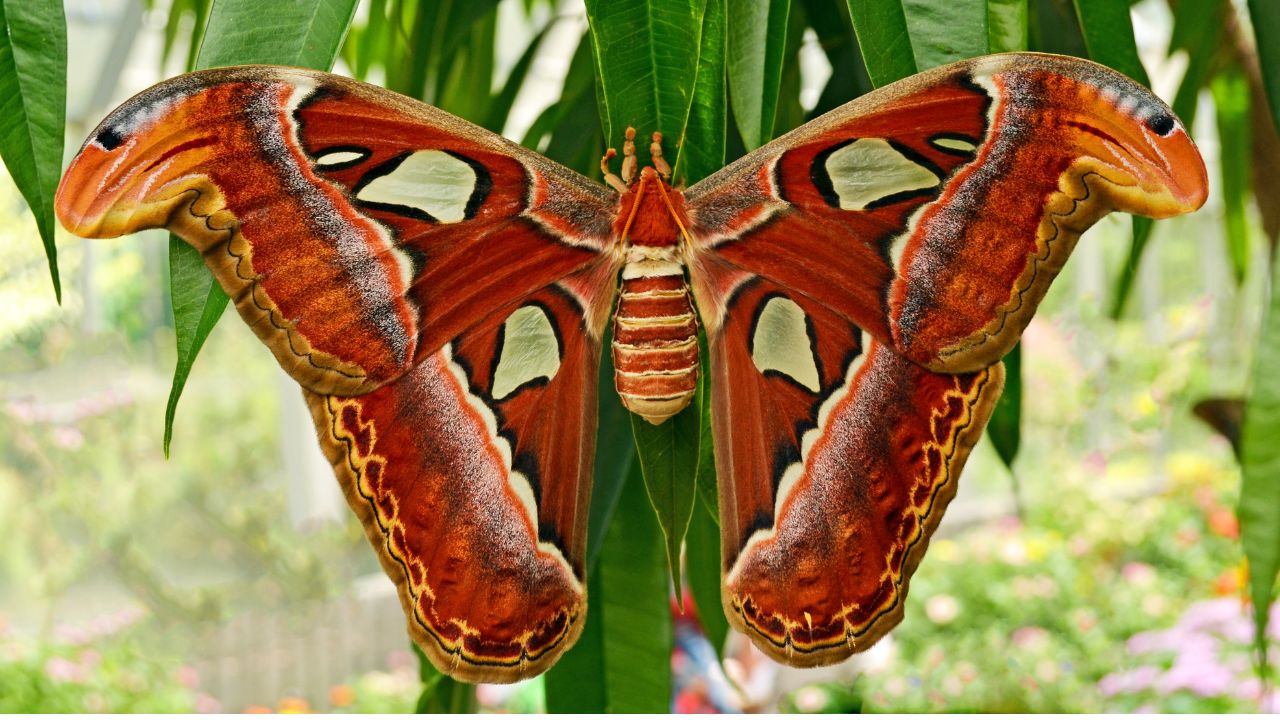
Zale termina is a species of owlet moth in the family Erebidae, first described by Grote in 1883. It is distributed across North America. The species belongs to the genus Zale, a group of moths commonly known as zale moths.
larch needleworm moth, Larch Needleworm
Zeiraphera improbana is a small tortricid moth native to North America, commonly known as the larch needleworm moth. The species has a wingspan of approximately 19 mm. Its larvae are specialized feeders on Larix species, particularly tamarack (Larix laricina). The species is subject to parasitism by multiple hymenopteran families including braconid, ichneumonid, and chalcid wasps.
Zeiraphera vancouverana is a species of tortricid moth described by James Halliday McDunnough in 1925. The species belongs to the genus Zeiraphera, which includes several conifer-feeding bud moths. The specific epithet 'vancouverana' suggests an association with the Vancouver region of western North America, though detailed biological information for this particular species remains limited in available literature.
Zele is a genus of braconid parasitoid wasps in the subfamily Euphorinae, containing approximately 30 species worldwide. The genus is distinguished by specific wing venation features: presence of vein r-m on the fore wing, a rhomboid or quadrate second submarginal cell of the fore wing, and an apically widened marginal cell on the hind wing. Species are koinobiont endoparasitoids of lepidopteran larvae. The genus is widespread across the Palearctic, Nearctic, and Oriental regions but absent from the Afrotropical and Australian regions.
Zelleria ochroplagiata is a small moth species in the family Yponomeutidae (ermine moths), described by Braun in 1918. The genus Zelleria comprises numerous small, often poorly known species, many of which are associated with specific host plants. This species is known from a limited number of observations and collections, primarily in North America. Like other Yponomeutidae, it likely has a concealed larval stage and adult moths with characteristic narrow wings.
Zenophleps pallescens is a species of geometrid moth in the family Geometridae, subfamily Larentiinae. It was described by James Halliday McDunnough in 1938. The species is native to North America. As a member of the genus Zenophleps, it belongs to a group of relatively obscure geometrid moths with limited published documentation.
Leopard Moths
Zeuzerinae is a subfamily of carpenter moths (Cossidae) commonly known as leopard moths. The group includes approximately 60 genera distributed across tropical and temperate regions worldwide. Many species are known for their striking spotted or patterned wing coloration. Larvae of several genera, including Zeuzera and Polyphagozerra, are significant wood-boring pests that tunnel into living trees and woody plants.
Zimmermannia is a genus of minute moths in the family Nepticulidae, established by Hering in 1940. The genus is distributed in the Western Palaearctic region and contains nine recognized species. Species are characterized by leaf-mining and bark-mining larval habits. The genus was historically treated as a subgenus of Ectoedemia but is now recognized as distinct.
Zophodia is a genus of snout moths in the subfamily Phycitinae, family Pyralidae. The genus was erected by Jacob Hübner in 1825. At least one species, Zophodia convolutella (Gooseberry Fruitworm), is known to be an agricultural pest. Larvae of this genus develop inside host plant tissues, with documented cases of fruit-feeding behavior.