
Zeiraphera improbana
(Walker, 1863)
larch needleworm moth, Larch Needleworm
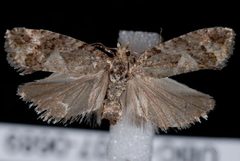
Zeiraphera improbana is a small tortricid native to North America, commonly known as the larch needleworm moth. The has a wingspan of approximately 19 mm. Its larvae are specialized feeders on Larix species, particularly tamarack (Larix laricina). The species is subject to by multiple hymenopteran including braconid, ichneumonid, and chalcid wasps.
Pronunciation
How to pronounce Zeiraphera improbana: /ˌzaɪrəˈfɪərə ɪmˈproʊbænə/
These audio files are automatically generated. While they are not always 100% accurate, they are a good starting point.
Identification
Distinguished from similar Zeiraphera by association with Larix plants and geographic distribution in North America. Specific diagnostic morphological features not documented in available sources.
Images
Habitat
Associated with larch forests; larvae found on tamarack (Larix laricina). Specific requirements for not documented.
Distribution
North America; documented in Ontario, Canada. Full range extent not comprehensively documented.
Seasonality
Activity periods not explicitly documented in available sources.
Diet
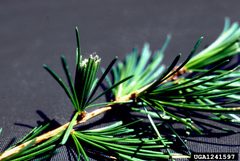
Larvae feed on Larix , specifically tamarack (Larix laricina). feeding habits not documented.
Host Associations
- Larix laricina - larval foodplanttamarack; primary documented in Ontario study
- Larix - larval foodplant-level association per Wikipedia source
Life Cycle
stages described in published study. Specific developmental timing and number of per year not documented in available sources.
Behavior
Larval feeding on larch needles documented. behavior patterns not described in available sources.
Ecological Role
Herbivore on Larix . Serves as for including one braconid, one ichneumonid, and three chalcid species.
Human Relevance
Potential forest pest due to larval feeding on larch needles; specific economic or ecological impact not quantified in available sources.
Similar Taxa
- Zeiraphera griseanaLarch budmoth with similar association (Larix); distinguished by Eurasian distribution and documented mass not observed in Z. improbana
- Other Zeiraphera species contains multiple larch-feeding ; specific diagnostic features for Z. improbana not documented in available sources
More Details
Taxonomic note
Originally described as Sciaphila improbana by Walker in 1863; later transferred to Zeiraphera.
Parasitoid complex
Five documented from Ontario : one Braconidae, one Ichneumonidae, and three Chalcidae.
Sources and further reading
- BugGuide
- Wikipedia
- GBIF taxonomy match
- iNaturalist taxon
- NCBI Taxonomy
- Catalogue of Life
- Carried with the wind: mass migration of Larch Budmoth to the Russian High Arctic | Blog
- Nota Lepidopterologica | Blog - Part 2
- NOTES ON THE BIOLOGY OF THE LARCH NEEDLEWORM,ZEIRAPHERA IMPROBANA(LEPIDOPTERA: OLETHREUTIDAE), IN ONTARIO