
Zophodia
Hübner, 1825
Species Guides
1- Zophodia grossulariella(Gooseberry Fruitworm Moth)
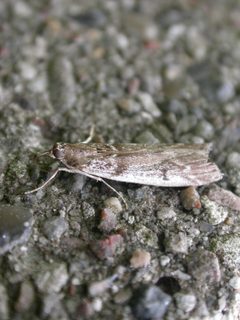
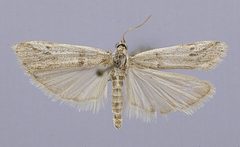
Zophodia is a of snout moths in the Phycitinae, Pyralidae. The genus was erected by Jacob Hübner in 1825. At least one , Zophodia convolutella (Gooseberry Fruitworm), is known to be an agricultural pest. Larvae of this genus develop inside plant tissues, with documented cases of fruit-feeding .

Pronunciation
How to pronounce Zophodia: //zoʊˈfoʊ.di.ə//
These audio files are automatically generated. While they are not always 100% accurate, they are a good starting point.
Identification
As a -level entry, specific diagnostic features for Zophodia are not well-documented in available sources. The genus belongs to Phycitinae, a diverse of pyralid moths whose members typically have elongated labial palps forming a snout-like projection. -level identification requires examination of genitalia and wing patterns.
Images
Distribution
Records from GBIF indicate presence in Denmark (DK), Norway (NO), and Sweden (SE). The Zophodia convolutella has been documented in North America, including Canada.
Life Cycle
For Zophodia convolutella: larvae feed internally within plant tissues. The last-instar larva has been described morphologically, though specific developmental timing and details are not documented in available sources.
Human Relevance
Zophodia convolutella, the Gooseberry Fruitworm, is recognized as a pest of agricultural importance. It infests gooseberry and related plants, with larvae feeding inside fruits.
More Details
Taxonomic Note
The Zophodia is part of the large and taxonomically challenging Phycitinae. boundaries and relationships within this group remain active areas of research.
Research Gap
Most published information on Zophodia focuses on Z. convolutella due to its economic significance. Other in the are poorly documented in accessible literature.