
Zimmermannia
Hering, 1940
Species Guides
5- Zimmermannia bosquella(American Chestnut Moth)
- Zimmermannia grandisella
- Zimmermannia mesoloba
- Zimmermannia obrutella
- Zimmermannia phleophaga(Phelophagan Chestnut Moth)
Zimmermannia is a of minute in the Nepticulidae, established by Hering in 1940. The genus is distributed in the Western Palaearctic region and contains nine recognized . Species are characterized by leaf-mining and bark-mining larval habits. The genus was historically treated as a subgenus of Ectoedemia but is now recognized as distinct.
Pronunciation
How to pronounce Zimmermannia: //zɪm.əɹˈmæni.ə//
These audio files are automatically generated. While they are not always 100% accurate, they are a good starting point.
Identification
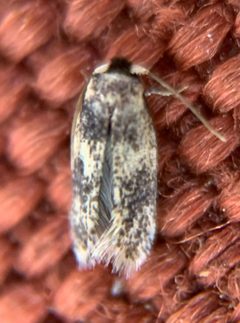
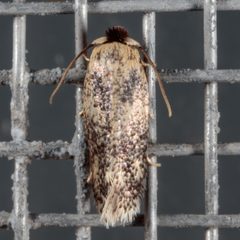
are minute with wingspans typical of Nepticulidae (generally under 10 mm). Male genitalia with distinctive structure and valvae shape separate Zimmermannia from related . Female with reduced ovipositor for inserting into plant tissue. Wing venation and patterns provide additional diagnostic characters. Updated identification keys to are available in recent taxonomic revisions.
Images
Habitat
Associated with woody plants in temperate and Mediterranean environments of the Western Palaearctic. Larval includes leaf tissue and bark of plants. Specific microhabitat requirements vary by and host association.
Distribution
Western Palaearctic region, including southern Europe and Mediterranean islands. Documented from southern Spain and Cyprus. Range extends across European temperate and Mediterranean zones.
Life Cycle
Holometabolous development with , larva, pupa, and stages. Larvae are internal feeders, mining within leaves or bark of plants. occurs in a silken cocoon, typically outside the mine. Specific developmental timing varies among and geographic location.
Behavior
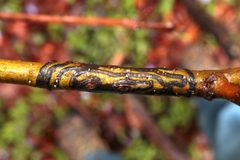
Larvae are leaf miners and bark miners, creating distinctive feeding galleries within plant tissue. Mining produces visible trails or blotches on plant surfaces. are typically or with weak, fluttering .
Ecological Role
Larvae function as primary consumers of plant tissue in their respective . Mining activity creates entry points for secondary organisms and contributes to nutrient cycling in plant . Specific interactions remain poorly documented for most .
Similar Taxa
- EctoedemiaHistorically treated as subgenus within Ectoedemia; separated by male genitalia structure and larval feeding habits on different plant groups
- StigmellaOverlapping distribution and similar leaf-mining habit; distinguished by wing venation, genitalia , and larval structure
Sources and further reading
- BugGuide
- NCBI Taxonomy
- Catalogue of Life
- Western Palaearctic Ectoedemia (Zimmermannia) Hering and Ectoedemia Busck s. str. (Lepidoptera: Nepticulidae): five new species and new data on distribution, hostplants and recognition
- Western Palaearctic Ectoedemia (Zimmermannia) Hering and Ectoedemia Busck s. str. (Lepidoptera: Nepticulidae): five new species and new data on distribution, hostplants and recognition. Appendix A