
Zele
Curtis, 1832
Species Guides
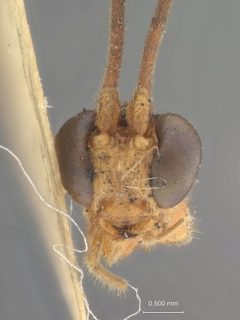
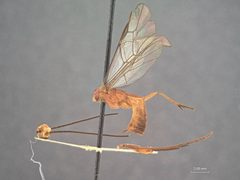
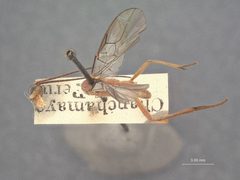
1Zele is a of braconid in the Euphorinae, containing approximately 30 worldwide. The genus is distinguished by specific wing venation features: presence of r-m on the fore wing, a rhomboid or quadrate second submarginal of the fore wing, and an apically widened marginal cell on the hind wing. Species are koinobiont endoparasitoids of lepidopteran larvae. The genus is widespread across the Palearctic, Nearctic, and Oriental regions but absent from the Afrotropical and Australian regions.
Pronunciation
How to pronounce Zele: //ˈzɛ.li//
These audio files are automatically generated. While they are not always 100% accurate, they are a good starting point.
Identification
Zele are distinguished from other Euphorinae by three wing venation characters: presence of r-m on the fore wing, a rhomboid or quadrate second submarginal of the fore wing, and an apically widened marginal cell on the hind wing. Specific species identification requires examination of morphological details and is facilitated by the identification key provided in Fang et al. (2024) for Chinese species.
Images
Distribution
Widespread across the Palearctic, Nearctic, and Oriental regions; absent from the Afrotropical and Australian regions. Distribution records include Denmark, Norway, and Sweden.
Host Associations
- Lepidoptera: Arctiidae - PARASITOID_OF
- Lepidoptera: Gelechiidae - PARASITOID_OF
- Lepidoptera: Geometridae - PARASITOID_OF
- Lepidoptera: Hepialidae - PARASITOID_OF
- Lepidoptera: Lasiocampidae - PARASITOID_OF
- Lepidoptera: Limacodidae - PARASITOID_OF
- Lepidoptera: Lymantriidae - PARASITOID_OF
- Lepidoptera: Noctuidae - PARASITOID_OF
- Lepidoptera: Pyralidae - PARASITOID_OF
- Lepidoptera: Saturniidae - PARASITOID_OF
Life Cycle
Koinobiont endoparasitoids of lepidopteran larvae. Larval development occurs within the living . Zele chlorophthalmus has been observed to complete larval development within a single host while synchronizing its with host larvae.
Ecological Role
that regulates lepidopteran . Zele chlorophthalmus has been implemented in as an effective agent against the pest Loxostege sticticalis (beet webworm).
Human Relevance
Potential biocontrol agent for agricultural pests. Zele chlorophthalmus has been used successfully for of Loxostege sticticalis.
Sources and further reading
- BugGuide
- Wikipedia
- GBIF taxonomy match
- iNaturalist taxon
- NCBI Taxonomy
- Catalogue of Life
- Connecting Bees, Bugs and Biodiversity - including Bacteria and Human Beings - Buglife Blog - Buglife
- Revision of genus Zele Curtis (Hymenoptera, Braconidae, Euphorinae) from China, with description of nineteen new species