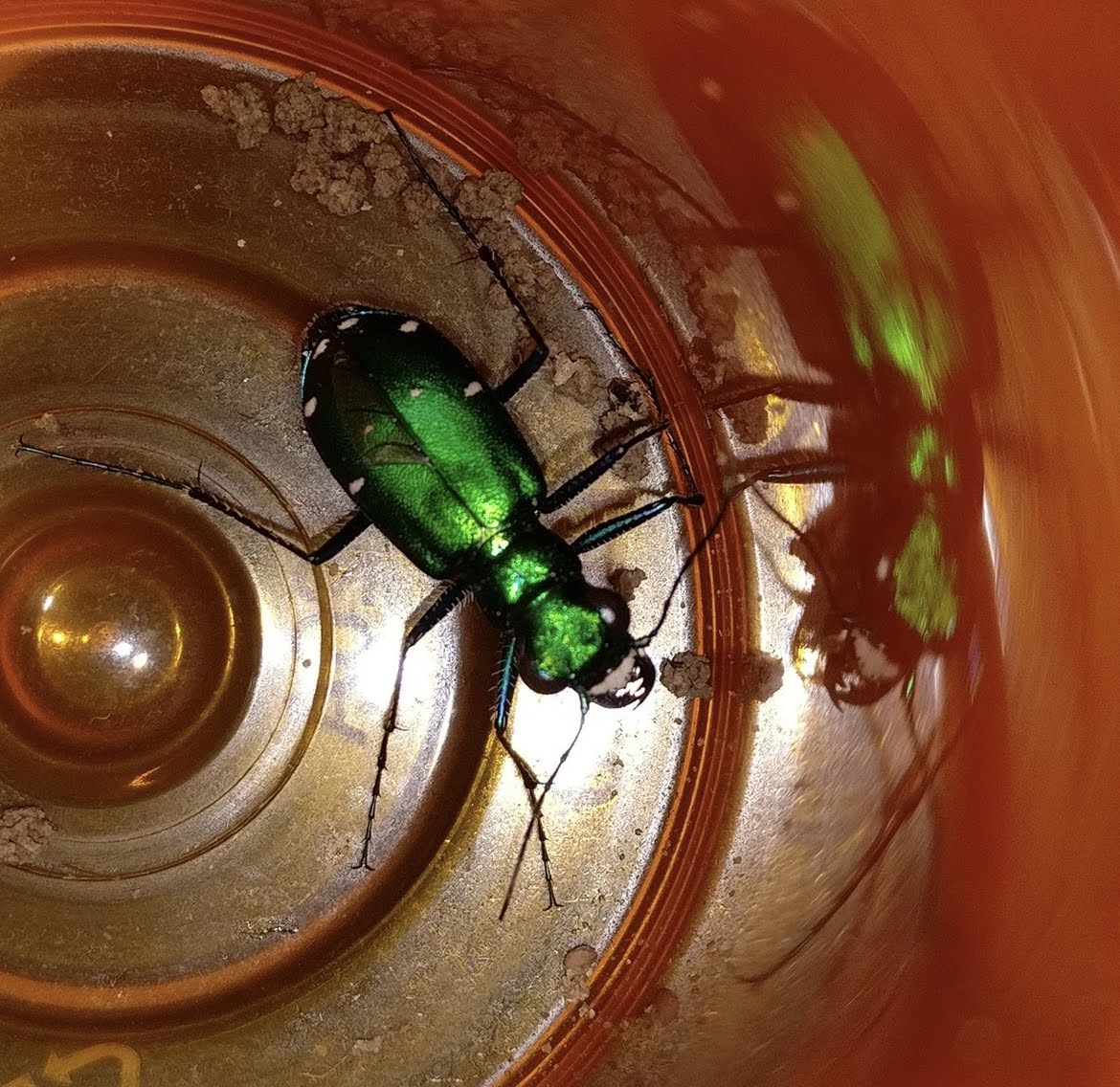
An undescribed species within the soldier beetle genus Chauliognathus, known from field observations in southern Arizona. The genus comprises soft-bodied beetles commonly called leatherwings or soldier beetles, characterized by their elongated bodies and frequent association with flowers. This particular specimen was encountered during a targeted collecting trip for cerambycid beetles in September 2019.
Chauliognathus discus discus is a subspecies of soldier beetle in the family Cantharidae. As a member of the genus Chauliognathus, it belongs to a group commonly known as soldier beetles or leatherwings, recognized for their elongated bodies and soft, flexible elytra. The subspecies designation indicates geographic variation within the broader species C. discus. Like other cantharids, adults are diurnal and frequently associated with flowers.
Chauliognathus discus texanus is a subspecies of soldier beetle in the family Cantharidae. Soldier beetles, also known as leatherwings, are recognized by their soft, flexible elytra and typically aposematic coloration of black with orange, red, or yellow markings. This subspecies belongs to a genus containing multiple species distributed across North America, with adults commonly observed on flowers where they feed on nectar, pollen, and small arthropod prey. The subspecies epithet 'texanus' indicates a geographic association with Texas or the broader south-central region of the United States.
soldier beetle
Chauliognathus fasciatus is a species of soldier beetle in the family Cantharidae. It occurs in North America. Like other members of its genus, it is likely associated with flowering plants where adults feed on nectar, pollen, and small prey.
Chauliognathus omissus is a species of soldier beetle in the family Cantharidae. It is found in North America. The species is part of a diverse genus of soldier beetles commonly associated with flowers.
Texas soldier beetle
Chauliognathus scutellaris, commonly known as the Texas soldier beetle, is a species of soldier beetle in the family Cantharidae. The species occurs in Central America and North America. Like other members of the genus Chauliognathus, it is likely associated with flowers and exhibits diurnal activity patterns, though species-specific ecological details remain limited in published literature.
Cheirodes californicus is a species of darkling beetle in the family Tenebrionidae, first described by George Henry Horn in 1870. The species epithet indicates its association with California. Like other members of Tenebrionidae, it is a ground-dwelling beetle adapted to arid and semi-arid environments. The genus Cheirodes is part of the diverse darkling beetle fauna of western North America.
Chelonychus longipes is a species of true weevil in the beetle family Curculionidae. It is found in North America, with distribution records from the Canadian provinces of Alberta, British Columbia, Manitoba, and Saskatchewan. The species was described by Dietz in 1891. Little is known about its biology or ecology.
Chevrolatia amoena is a species of minute rove beetle in the family Staphylinidae, subfamily Scydmaeninae. The species was described by John Lawrence LeConte in 1866. It belongs to the tribe Chevrolatiini, a group of small beetles often referred to as ant-like stone beetles due to their compact form and behavior. The genus Chevrolatia is named after the French entomologist Louis Alexandre Auguste Chevrolat.
black ladybird beetle, black lady beetle
Chilocorus nigrita is a species of ladybird beetle in the family Coccinellidae. It belongs to the genus Chilocorus, which comprises small, often dark-colored ladybirds that feed primarily on scale insects. The species is known from forested habitats and is considered a beneficial predator in natural ecosystems. Unlike some commercially used ladybird species, Chilocorus nigrita is not widely sold for biological control purposes.
Chilometopon microps is a species of darkling beetle (family Tenebrionidae) described in 1990. As a member of this large beetle family, it is adapted to arid or semi-arid environments typical of many tenebrionids. The genus Chilometopon is relatively obscure, with limited published biological information.
Chilothorax is a genus of scarab beetles established by Motschulsky in 1859. The genus contains more than 60 described species distributed across Europe, Asia, Africa, and North America. Many species were transferred from the formerly broader genus Aphodius, reflecting taxonomic revisions in the Aphodiinae. The genus belongs to the tribe Aphodiini, a group commonly known as dung beetles or aphodiine dung beetles.
Chlaenius alternatus is a species of ground beetle in the family Carabidae. It belongs to the large and diverse genus Chlaenius, which contains approximately 1,000 species worldwide. The genus is native to multiple biogeographic realms including the Palearctic, Afrotropical, and Nearctic regions. Chlaenius alternatus has been recorded from Alaska, Canada, and the United States.
Chlaenius caurinus is a species of ground beetle in the family Carabidae, native to North America. The genus Chlaenius comprises approximately 1,000 species worldwide, with the majority occurring in the Oriental and Afrotropical regions. This species was described by George Henry Horn in 1885. Members of the genus Chlaenius are known for their vivid metallic coloration and defensive chemical secretions.
Chlaenius chaudoiri is a species of ground beetle in the family Carabidae, described by G.Horn in 1876. It belongs to the large and diverse genus Chlaenius, which contains roughly 1,000 species worldwide. As a member of this genus, it shares characteristics with other Chlaenius species, including a tendency toward vivid coloration and association with moist habitats. The species is recorded from the United States.
Chlaenius circumcinctus is a species of ground beetle in the family Carabidae. It is native to North America, with records from the United States, Mexico, and Cuba. Like other members of the genus Chlaenius, it is likely a predatory beetle, though specific ecological details remain poorly documented. The species was described by Thomas Say in 1830.
Heart-necked Chlaenius
Chlaenius cordicollis is a species of ground beetle in the family Carabidae. It belongs to the large and diverse genus Chlaenius, which contains approximately 1,000 species worldwide. The species is native to North America, with records from Canada and the United States. Like other members of the genus, it is likely predatory, though specific ecological details for this species are limited in available sources.
Chlaenius cumatilis is a species of ground beetle in the family Carabidae, first described by LeConte in 1851. The species is native to North America, with documented occurrence in the United States. Like other members of the genus Chlaenius, it belongs to a large and diverse group of predatory beetles. The genus Chlaenius contains approximately 1,000 recognized species worldwide, with the majority occurring in the Oriental and Afrotropical regions.
Emarginate Chlaenius
Chlaenius emarginatus is a species of ground beetle in the family Carabidae, native to North America. It belongs to the large and diverse genus Chlaenius, which contains approximately 1,000 species worldwide. Like other members of its genus, this beetle is likely predatory. The species was first described by Thomas Say in 1823.
Chlaenius erythropus is a ground beetle in the family Carabidae, distributed across North America. The species belongs to a large and diverse genus native to multiple continents including the Palearctic, Near East, Africa, and Nearctic regions. Like other members of its genus, it is likely predatory, though specific details about its biology remain poorly documented. The species has been the subject of taxonomic confusion, with some sources listing it as a synonym of Chlaenius nigricornis.
Chlaenius flaccidus is a species of ground beetle in the family Carabidae. It is native to North America and has been documented in the United States. As a member of the genus Chlaenius, it belongs to a diverse group of ground beetles often characterized by metallic coloration and predatory habits. The species was described by G.Horn in 1876. Available records indicate limited observation data, with only three documented observations in iNaturalist.
Chlaenius floridanus is a species of ground beetle in the family Carabidae. It is found in North America. The species was described by G.Horn in 1876.
Chlaenius fuscicornis is a species of ground beetle in the family Carabidae, described by Dejean in 1831. The genus Chlaenius contains approximately 1,000 species worldwide, with the majority occurring in the Oriental and Afrotropical regions. Members of this genus are known for their often vivid metallic coloration and defensive chemical secretions.
Chlaenius glaucus is a ground beetle in the family Carabidae, described by LeConte in 1856. The species belongs to a large genus of predatory beetles commonly known as "vivid metallic ground beetles" for their characteristic coloration. Like other Chlaenius species, it is likely a ground-dwelling predator sensitive to soil disturbance and agricultural practices. The species has been documented in Mexico and the United States.
Chlaenius harpalinus is a ground beetle in the family Carabidae, native to North America. It belongs to the large and diverse genus Chlaenius, which contains approximately 1,000 species worldwide. The species is recorded from Canada and the United States. Like other members of its genus, it is likely a predator in soil and ground-level habitats.
Chlaenius interruptus is a ground beetle species in the family Carabidae, first described by George Henry Horn in 1876. It belongs to the large and diverse genus Chlaenius, which contains approximately 1,000 species worldwide. The species is recorded from North America, specifically Canada and the United States. Like other members of its genus, it is likely a predatory beetle associated with ground-level habitats.
Chlaenius leucoscelis is a ground beetle in the family Carabidae, first described by Chevrolat in 1835. The species belongs to the large and diverse genus Chlaenius, which contains approximately 1,000 species worldwide. As a member of the subfamily Licininae, it shares characteristics with other Chlaenius species including metallic coloration and predatory habits. The species has been recorded from Guatemala, Mexico, and the United States.
vivid metallic ground beetle
Chlaenius nemoralis is a species of ground beetle in the family Carabidae, native to North America. The genus Chlaenius comprises approximately 1,000 species worldwide, with this species occurring in Canada and the United States. Members of this genus are often referred to as "vivid metallic ground beetles" due to their characteristic metallic coloration. The species is part of a diverse group of carabid beetles that serve as important bioindicators of environmental health in agricultural and natural ecosystems.
Chlaenius orbus is a species of ground beetle in the family Carabidae, described by George Henry Horn in 1871. The genus Chlaenius is large and diverse, with approximately 1,000 recognized species worldwide, predominantly in the Oriental and Afrotropical regions. Members of this genus are known for their often vivid metallic coloration and defensive chemical secretions. Chlaenius orbus is distributed in North America, specifically recorded from the United States and Mexico.
Chlaenius pennsylvanicus pennsylvanicus is a subspecies of ground beetle in the family Carabidae, first described by Thomas Say in 1823. It belongs to the genus Chlaenius, a diverse group of often brightly colored predatory beetles commonly known as violet ground beetles or bombardier beetles. The subspecies is distributed in North America, with records from Canada and the United States. Like other members of its genus, it is likely a ground-dwelling predator, though specific ecological details for this subspecies remain poorly documented in the provided sources.
Chlaenius purpuricollis is a species of ground beetle in the genus Chlaenius, a large and diverse group within the family Carabidae. It occurs in the United States and Canada. Members of the genus Chlaenius are generally predatory and often exhibit metallic coloration.
Green Pubescent Ground Beetle
Chlaenius sericeus is a ground beetle in the family Carabidae, native to North America. The species is found in the United States and Canada. It belongs to the large and diverse genus Chlaenius, which contains approximately 1,000 species worldwide, with the majority occurring in the Oriental and Afrotropical regions. The specific epithet "sericeus" refers to the silky or silk-like appearance of the beetle's pubescence.
Chlaenius solitarius is a species of ground beetle in the family Carabidae, native to North America. It belongs to the large and diverse genus Chlaenius, which contains roughly 1,000 species worldwide with the majority occurring in the Oriental and Afrotropical regions. Members of this genus are known for their metallic coloration and predatory habits. The species epithet "solitarius" suggests a solitary nature, though specific behavioral documentation for this species is limited.
Chlaenius sparsus is a species of ground beetle in the family Carabidae, first described by LeConte in 1863. As a member of the genus Chlaenius, it belongs to a group commonly known as "vivid metallic ground beetles" or "colorful foliage ground beetles." The species occurs in North America and Mexico. Like other Chlaenius species, it is likely predatory, though specific natural history details for this species remain poorly documented.
Chlaenius texanus is a species of ground beetle in the family Carabidae. It is native to North America. Like other members of the genus Chlaenius, it belongs to a group of carabid beetles commonly known as vivid metallic ground beetles, many of which exhibit distinctive coloration and chemical defense capabilities.
Chlaenius vafer is a species of ground beetle in the family Carabidae, first described by LeConte in 1852. It belongs to the genus Chlaenius, a diverse group of often colorful ground beetles commonly known as "vivid metallic ground beetles." The species is found in North America. Like other members of its genus, it is likely a predatory beetle, though specific ecological details for this species remain poorly documented.
Chlaenius viduus is a species of ground beetle in the family Carabidae. As a member of the genus Chlaenius, it belongs to a diverse group of approximately 1,000 species worldwide, with the genus being native to multiple biogeographic regions including the Palearctic, Near East, North Africa, Afrotropical region, and Nearctic. The species was described by G.Horn in 1871 and is recorded as present in the USA and North America. Ground beetles in this genus are generally recognized as beneficial predators in agricultural and natural ecosystems.
warty leaf beetle
Chlamisus foveolatus is a species of warty leaf beetle in the family Chrysomelidae. It occurs in Central America and North America. The species was described by Knoch in 1801. Beyond its taxonomic placement and geographic distribution, detailed biological information about this species is sparse in the available literature.
Chlamisus quadrilobatus is a species of case-bearing leaf beetle in the family Chrysomelidae, first described by Schaeffer in 1926. Like other members of the genus Chlamisus, adults construct protective cases from fecal material and plant debris that cover the entire body. The species has been recorded from regions in North America and Middle America. Published biological information is limited, reflecting its rarity in collections and limited observational records.
warty leaf beetle
Chlamisus texanus is a species of warty leaf beetle in the family Chrysomelidae. It belongs to the tribe Chlamisini, a group known for their distinctive sculptured, warty appearance. The species is distributed across Central America and North America. Like other members of its genus, it is likely associated with woody vegetation, though specific host plant relationships remain poorly documented.
fruit and flower chafers
Chlorixanthe is a genus of fruit and flower chafers in the beetle family Scarabaeidae, established by Bates in 1889. The genus contains at least three described species, including Chlorixanthe flavoviridis and Chlorixanthe propinqua. These beetles belong to the subfamily Cetoniinae, a group commonly associated with feeding on flowers and fruits. The genus is distributed in the Neotropical region.
Cholus is a genus of weevils (Curculionidae) established by Ernst Friedrich Germar in 1823. The genus belongs to the diverse superfamily Curculionoidea and is characterized by the distinctive rostrum typical of weevils. With nearly 2,800 iNaturalist observations, the genus appears to be moderately well-documented in citizen science records, though detailed biological information remains limited in available sources.
fungus weevils
Choraginae is a subfamily of fungus weevils within the beetle family Anthribidae. The subfamily comprises approximately 9 genera, with authoritative sources differing on species count—estimates range from at least 20 to more than 180 described species. The subfamily includes economically significant genera such as Araecerus, which contains stored product pests. Choraginae is distinguished from other anthribid subfamilies by morphological and biological characteristics associated with their fungal associations.
fungus weevil
Choragus sayi is a species of fungus weevil in the beetle family Anthribidae. It is found in North America. The species was described by Lec. in 1876. As a fungus weevil, it belongs to a group of beetles typically associated with fungal associations, though specific ecological details for this species remain limited.
Choragus zimmermanni is a species of fungus weevil in the beetle family Anthribidae. The species was described by Lec. in 1876 and is currently provisionally accepted in taxonomic databases. It is found in North America. As a member of the Anthribidae, it belongs to a family commonly known as fungus weevils, which are characterized by their association with fungal food sources.
crenulate bark beetles
Chramesus is a genus of bark beetles in the family Curculionidae, established by J.L. LeConte in 1868. The genus comprises at least 100 described species, commonly referred to as crenulate bark beetles. Members of this genus are small weevils that inhabit wood-boring ecological niches. The genus has been documented in North America, with records from the United States including Vermont.
Chramesus chapuisii is a species of weevil in the family Curculionidae, described by LeConte in 1876. The genus Chramesus comprises bark beetles, a group of small weevils that tunnel beneath tree bark. This species is known from very few documented observations, with only two records on iNaturalist. Most species in this genus are associated with coniferous trees.
Chrysaster on-canavalia is a species of lady beetle (family Coccinellidae) in the subfamily Chilocorinae. This species is known from limited documented records, primarily associated with tropical regions. It belongs to a genus characterized by small, often inconspicuous coccinellids that differ in morphology from the more familiar brightly colored lady beetles. The specific epithet references Canavalia, a legume genus, suggesting a potential ecological association.
Chrysobothris beameri is a species of metallic wood-boring beetle in the family Buprestidae. It was described by Knull in 1954 and is known from North America. Like other members of the genus Chrysobothris, it is a jewel beetle with a metallic appearance.
Chrysobothris bimarginicollis is a species of jewel beetle in the family Buprestidae, described by Schaeffer in 1905. It belongs to the large genus Chrysobothris, which contains numerous wood-boring species in North America. The species is part of a taxonomically challenging group where identification relies on subtle morphological characters. Like other members of its genus, it likely develops in dead or dying wood, though specific biological details for this species remain poorly documented in the available literature.