
Pulvinaria innumerabilis
Rathvon, 1883
Cottony Maple Scale
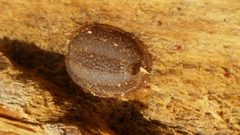
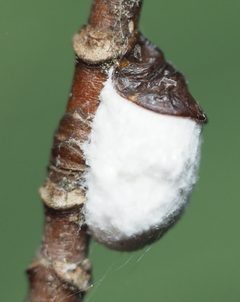
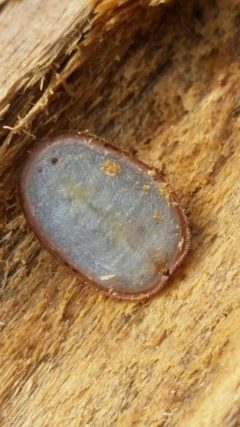
A soft insect ( Coccidae) commonly known as the cottony maple scale. females are small, flattened, and brown, approximately 3 mm in length. Mature females produce conspicuous white, cottony ovisacs containing up to 1,500 . The is frequently found on maple trees, particularly silver maple (Acer saccharinum), but has been recorded on numerous other woody plants. Heavy can cause aesthetic damage and minor physiological stress to plants, though established trees typically tolerate infestations well.
Pronunciation
How to pronounce Pulvinaria innumerabilis: //pʊlˈvɪnɛɹiə ɪnˌnʌməˈɹæbɪlɪs//
These audio files are automatically generated. While they are not always 100% accurate, they are a good starting point.
Identification
Distinguished from other Pulvinaria by the combination of: association with maples, particularly silver maple; the timing of ovisac production in early summer; and the distinctive fluffy, popcorn-like appearance of the ovisac. Separated from the cottony camellia (Pulvinaria floccifera) by host preference—P. floccifera occurs primarily on camellia, holly, and yew, while P. innumerabilis strongly prefers maples. The ovisac of P. innumerabilis is generally more elongated and less dense than that of P. floccifera. Separated from the cottony taxus scale (P. floccifera, synonym) by the same host-based distinction. Separated from other maple-feeding scales by the cottony ovisac; maple leaf scale (Phenacoccus acericola) produces no such structure, and oystershell scales (Lepidosaphes spp.) have elongate, armored coverings.
Images
Habitat
Associated with the woody stems and leaf undersides of deciduous trees and shrubs. Most commonly found on maple in urban, suburban, and natural forest settings. Occurs in temperate regions with established tree .
Distribution
Native to and widespread in eastern North America. Range extends across the United States and southern Canada where maples occur. Introduced have been documented in Europe and other regions outside native range.
Seasonality
hatch in late spring to early summer (June-July in temperate North America). First instar disperse to leaves. Nymphs feed through summer, fall, and winter, molting several times. Development completes the following spring. males emerge and mate in spring; females produce ovisacs shortly after mating. Single per year ().
Diet
Phloem-feeding sap-sucker. Inserts stylets into vascular tissue of plants to extract nutrient-rich fluids. Has been documented feeding on Acer spp. (maples, especially silver maple), Robinia spp. (locust), Fraxinus americana (white ash), Euonymus alatus (burning-bush), Quercus spp. (oak), Acer negundo (boxelder), Cornus spp. (dogwood), Celtis spp. (hackberry), Platanus spp. (sycamore), Fagus spp. (beech), Ulmus spp. (elm), Salix spp. (willow), Tilia americana (basswood), and Populus spp. (poplar).
Host Associations
- Acer saccharinum - primary Strongly preferred
- Acer spp. - All maple
- Robinia pseudoacacia - Black locust
- Robinia neomexicana - Honey locust
- Fraxinus americana - White ash
- Euonymus alatus - Burning-bush
- Quercus spp. - Oak
- Acer negundo - Boxelder
- Cornus spp. - Dogwood
- Celtis spp. - Hackberry
- Platanus spp. - Sycamore
- Fagus spp. - Beech
- Ulmus spp. - Elm
- Salix spp. - Willow
- Tilia americana - Basswood
- Populus spp. - Poplar
Life Cycle
Hemimetabolous development with three life stages: , nymph, and . Females deposit 1,000–1,500 eggs in a cottony ovisac in early summer. Eggs hatch into mobile first-instar that disperse to leaf undersides. Crawlers settle and insert mouthparts, becoming for remaining nymphal instars. Nymphs overwinter on branches or leaf undersides. In spring, nymphs complete development to adults. Males develop wings and fly to locate females. After mating, females produce ovisacs and begin egg-laying. Single per year.
Behavior
First-instar nymphs are the only mobile life stage, dispersing actively before settling permanently. are ; females remain fixed to plant tissue for life once mated. Produces copious honeydew during feeding, which drips onto surfaces below. Does not display maternal care beyond ovisac construction. No known social or use documented.
Ecological Role
Herbivore that functions as a plant , extracting phloem sap and reducing plant resources. Honeydew production supports fungi (Capnodium spp.) that grow on leaf surfaces, potentially reducing . Serves as prey for various natural enemies including lady beetles (Coccinellidae), lacewings (Chrysopidae), and (Encyrtidae). Specific parasitoid associations documented: Metaphycus pulvinariae Howard and Cheiloneurus pulvinariae Dozier have been reared from this .
Human Relevance
Considered a minor pest of ornamental and shade trees. Heavy cause aesthetic concern due to conspicuous white ovisacs and associated . Rarely causes significant economic damage; established trees tolerate infestations without long-term harm. Heavy infestations may cause premature leaf drop, twig dieback, and yellowing foliage. Occasionally managed in urban forestry and horticultural settings through , insecticidal soaps, or agents. Not known to transmit plant . No direct human health significance.
Similar Taxa
- Pulvinaria flocciferaProduces similar cottony ovisacs, but occurs primarily on camellia, holly, and yew rather than maple; ovisac typically denser and more globular
- Pulvinaria vitisClosely related with overlapping ; distinguished by preferences and subtle differences in ovisac structure
- Phenacoccus acericolaAlso feeds on maples but lacks cottony ovisac; produces powdery wax coating instead
- Lepidosaphes ulmiOystershell scale has elongate, armored covering rather than soft body with cottony ovisac
Misconceptions
Often mistaken for a serious tree-killing pest due to the conspicuous appearance of heavy . The 'cottony maple ' sometimes leads to confusion with cottony cushion scale (Icerya purchasi), a dramatically different insect in Monophlebidae that is a serious citrus pest. The white ovisacs are sometimes mistaken for fungal growth or residue by observers unfamiliar with scale insects.
More Details
Natural enemies
Documented include Metaphycus pulvinariae (Encyrtidae) and Cheiloneurus pulvinariae (Encyrtidae). include various coccinellid beetles and chrysopid larvae. Natural enemy often suppress without intervention.
Taxonomic history
Has been treated under the Neopulvinaria in some classifications, but Pulvinaria is the currently accepted genus. The P. innumerabilis tiliae was described from linden but is now considered a synonym.
Management considerations
Control rarely necessary for tree health; interventions typically motivated by aesthetic concerns. oils effective against nymphs. Summer oils may harm beneficial insects. generally unnecessary given low damage potential.