
Satyrini
Boisduval, 1833
Alpines, Arctics, Nymphs, Satyrs, Graylings, Ringlets
Genus Guides
13- Cercyonis(wood-nymphs)
- Coenonympha(heaths)
- Cyllopsis(gemmed satyrs)
- Erebia(alpines)
- Gyrocheilus
- Hermeuptychia
- Lethe(Pearly-eyes and Allies)
- Manataria(white-spotted satyr)
- Megisto
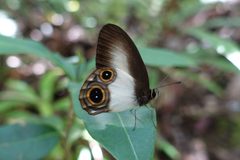
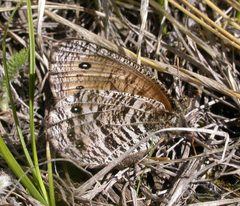
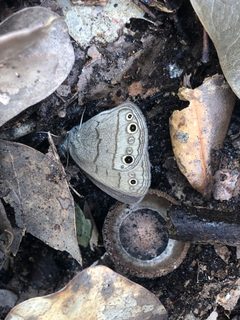
Satyrini is the largest tribe in the Satyrinae, containing approximately 2,200 of butterflies. The group includes well-known butterflies such as graylings, ringlets, and satyrs. Recent molecular phylogenetic studies have substantially revised the tribe's , incorporating many formerly placed in the tribe Elymniini. The tribe's evolutionary history is closely tied to the diversification of grasses.
Pronunciation
How to pronounce Satyrini: /ˌsatɪˈraɪniː/
These audio files are automatically generated. While they are not always 100% accurate, they are a good starting point.
Images
Habitat
vary widely among subtribes. The subtribe Pronophilina is restricted to Andean cloud forests from Venezuela to Bolivia. The infratribe Neosatyriti occurs in puna, pampas and subantarctic grasslands, Valdivian forests, and Chilean matorral from sea level to nearly 5,000 m elevation. In southern Brazil, Satyrini are distributed across multiple phytoecological regions including grassland, forest, and ecotonal areas.
Distribution
Worldwide distribution with distinct patterns among subtribes. Some subtribes are restricted to single biogeographic regions: Pronophilina to the Andes, Neosatyriti to southern South America from Patagonia to northern Peru and along the Atlantic coast. Documented in Rio Grande do Sul State, southern Brazil; southeastern United States; Peru (Amazonian region and Eastern Andean slopes); and southeastern Peru (Madre de Dios department).
Diet
Larval food plants of many are grasses (Poaceae). The tribe's diversification is considered closely related to the evolution of grasses. Uncommon feeding preferences occur in three : Euptychia, Ragadia, and Acrophtalmia feed on Lycopsida (clubmosses), with some Euptychia species reported to feed on mosses of Neckeraceae. Multiple euptychiine species feed on herbaceous bamboos (Poaceae: Bambusoideae: Olyreae) including Taquara micrantha and Olyra latifolia. Magneuptychia harpyia has been documented feeding on seedlings of Euterpe precatoria (Arecaceae).
Host Associations
- Poaceae - larval food plantPrimary for many
- Poaceae: Bambusoideae: Olyreae - larval food plantHerbaceous bamboos including Taquara micrantha and Olyra latifolia
- Lycopsida - larval food plantUncommon for Euptychia, Ragadia, and Acrophtalmia
- Neckeraceae - larval food plantMosses reported for some Euptychia
- Euterpe precatoria - larval food plantArecaceae palm; reported for Magneuptychia harpyia
Life Cycle
Complete with , larva, pupa, and stages. stages have been documented for multiple euptychiine , with supporting recent generic arrangements and revealing putative synapomorphic characters of larvae and pupae. capsule morphology and other larval characters have taxonomic significance for distinguishing closely related species.
Sources and further reading
- BugGuide
- Wikipedia
- iNaturalist taxon
- NCBI Taxonomy
- Catalogue of Life
- New butterfly species named after retired museum specialist
- Carolina Satyr Hermeuptychia sosybius (Fabricius, 1793) (Insecta: Lepidoptera: Nymphalidae: Satyrinae: Satyrini: Euptychiina)
- A new species of Satyrinae butterfly from Peru (Nymphalidae: Satyrini: Euptychiina)
- Distribution of Satyrini (Lepidoptera, Nymphalidae) in Rio Grande do Sul State, southern Brazil
- Evolutionary history of Neotropical butterflies of the infratribe Neosatyriti based on target enrichment (Lepidoptera: Nymphalidae, Satyrinae, Satyrini, Pronophilina)
- Immature stages and new host plant records for eight euptychiine butterflies in southeastern Peru (Lepidoptera: Nymphalidae: Satyrinae: Satyrini)
- Taxonomy, phylogeny and distribution of the genus Steromapedaliodes sensu novo in the Cordillera de Mérida, Venezuela (Lepidoptera: Nymphalidae: Satyrinae: Satyrini)
- Revalidation of Yphthimoides inornata (Hayward, 1962 (Lepidoptera: Nymphalidae: Satyrinae: Satyrini: Euptychiina) based on morphological and molecular data with description of the immature stages
- Immature stages and new host plant records for four satyrine species feeding on herbaceous bamboos in southeastern Peru (Lepidoptera: Nymphalidae: Satyrinae: Satyrini)