
Zale
Hübner, 1818
Zale Moths
Species Guides
39- Zale aeruginosa(green-dusted zale)
- Zale bethunei(Bethune's Zale Moth)
- Zale buchholzi(Buchholz's zale)
- Zale calycanthata(Double-banded Zale Moth)
- Zale chisosensis
- Zale clandestina(Clandestine Zale Moth)
- Zale colorado
- Zale confusa(Confused Zale Moth)
- Zale curema(Black-eyed Zale Moth)
Zale is a of in the Erebidae, established by Hübner in 1818. The genus contains numerous of owlet moths distributed primarily in North America. Larvae of several Zale species are known for , including the sphecid wasp Ammophila nigricans. The genus is taxonomically well-established but individual species-level remains incompletely documented for many members.
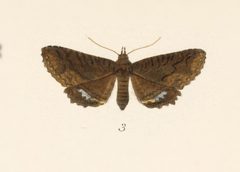
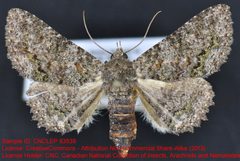
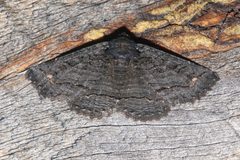
Pronunciation
How to pronounce Zale: /ˈzeɪli/
These audio files are automatically generated. While they are not always 100% accurate, they are a good starting point.
Images
Distribution
North America, with records from the United States including Vermont and other eastern states, as well as Andean forest regions (Bosque Andino). The has been documented across a broad geographic range with over 51,000 observations recorded on iNaturalist.
Host Associations
- Ammophila nigricans - preyLarvae of Zale are recorded as for this sphecid , which provisions its nests with large caterpillars including those of underwing moths (Catocala), locust underwing (Euparthenos nubilis), and zale moths ( Zale). The wasp paralyzes the caterpillar and lays an on it for its larva to consume.
Similar Taxa
- CatocalaBoth contain large, cryptic caterpillars that serve as for the same Ammophila nigricans; larvae of both are feeders that rest motionless during daylight hours to avoid detection.
- Euparthenos nubilisThe locust underwing caterpillar shares similar with Zale larvae, being similarly provisioned by Ammophila nigricans and exhibiting comparable cryptic resting during daytime.
More Details
Taxonomic history
The Zale was established by Jacob Hübner in 1818 and has remained a stable taxonomic entity within the Erebidae . It was historically placed in Noctuidae but transferred to Erebidae following modern molecular phylogenetic revisions of Lepidoptera.
Research significance
The interaction between Zale caterpillars and Ammophila nigricans has been documented in entomological literature, contributing to understanding of - relationships in eastern North American . The wasp's reliance on tactile rather than visual cues to locate these cryptic caterpillars represents a notable behavioral .