
Euparthenos
Grote, 1876
locust underwing
Species Guides
1- Euparthenos nubilis(Locust Underwing)
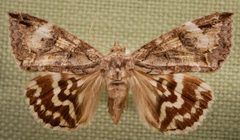
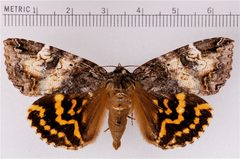
Euparthenos is a in the Erebidae containing a single , Euparthenos nubilis (locust underwing). The genus was erected by Augustus Radcliffe Grote in 1876. are medium-sized moths with distinctive yellow-orange hindwings marked by four concentric black bands. The genus is to North America and closely related to the underwing moths of genus Catocala.
Pronunciation
How to pronounce Euparthenos: //juːˈpɑːrθɪnoʊs//
These audio files are automatically generated. While they are not always 100% accurate, they are a good starting point.
Identification
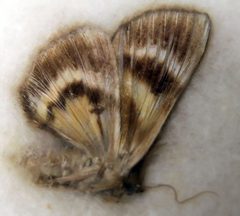
The four concentric black bands on each hindwing immediately distinguish Euparthenos nubilis from similar underwing of Catocala, which possess one to three bands at most. Color morphs with altered patterns may require detailed examination for confident identification. resting on tree trunks with wings folded flat resemble bark; the hindwing pattern is only visible when wings are spread.
Images
Habitat
Associated with deciduous forests and woodlands where plants (Robinia , especially black locust) occur. are frequently observed resting on tree trunks. Larval consists of foliage of host trees.
Distribution
North America: from Maine, Ontario and Quebec south to northern Florida, west to Nebraska and Arizona. Records from Vermont and other eastern US states.
Seasonality
are active from April to September. Two occur per year.
Diet
Larvae feed exclusively on Robinia (locust trees), particularly black locust (Robinia pseudoacacia). have been observed drinking juice from fermenting fruit.
Host Associations
- Robinia pseudoacacia - larval food plantblack locust
- Robinia - larval food plant level association
Life Cycle
(two per year). Larval development occurs on Robinia plants. presumably occurs in soil or leaf litter, though specific details are not well documented. spans April through September.
Behavior
are and attracted to light. They rest on tree trunks during daylight hours with wings folded, concealing the brightly colored hindwings. When disturbed, adults may flash hindwings to startle . Adults seek out fermenting fruit for feeding.
Ecological Role
Larval herbivore on Robinia . serve as prey for including Ammophila nigricans, which provisions its nests with Euparthenos nubilis caterpillars. Adults may contribute to nutrient cycling through consumption of fermenting fruit.
Human Relevance
Minor economic significance; larvae feed on black locust, a tree sometimes planted for timber, erosion control, and honey production. are occasionally encountered at lights and may be of interest to lepidopterists. The species is not considered a significant pest.
Similar Taxa
- CatocalaSimilar coloration, pattern, and resting posture on tree trunks; distinguished by having one to three (at most) black bands on hindwings versus four in Euparthenos
More Details
Taxonomic history
Previously classified in Catocalinae of Noctuidae, and in tribe Ophiusini of family Erebidae. The -level synonym Parthenos Hübner, 1823 is preoccupied by Parthenos Hübner, 1819.
Subspecies
Three recognized: E. n. nubilis (nominate), E. n. apache (Poling, 1901), and E. n. osiris (Barnes & Benjamin, 1926).
Predation by wasps
The sphecid Ammophila nigricans is a documented ; females hunt Euparthenos nubilis caterpillars to provision their nest burrows. The wasp locates prey by touch rather than visual cues, as caterpillars are cryptic and motionless during daylight hours.