
Zale curema
(Smith, 1908)
Black-eyed Zale Moth, Northeastern Pine Zale, Black-eyed Zale
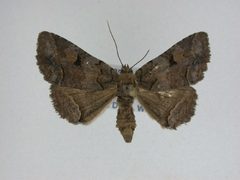
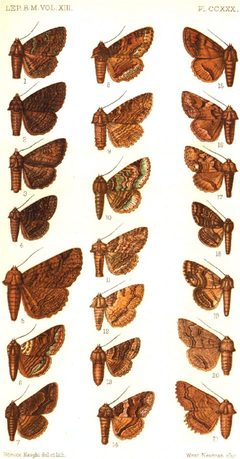
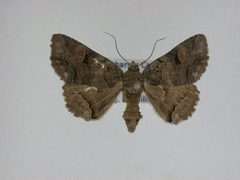
Zale curema is a in the Erebidae, first described by John Bernhard Smith in 1908. The is strongly associated with pitch pine forests in eastern North America. It has one per year, with larvae feeding preferentially on young needles of pitch pine. The species is listed as endangered in Connecticut but considered globally secure.
Pronunciation
How to pronounce Zale curema: /ˈzeɪli ˈkjʊrɪmə/
These audio files are automatically generated. While they are not always 100% accurate, they are a good starting point.
Identification
Wingspan up to approximately 35 mm. The can be distinguished from other Zale species by its association with pitch pine and its dark, presumably black, markings that give rise to its . Specific wing pattern details are not documented in available sources.
Images
Habitat
Forests and woodlands dominated by pitch pine (Pinus rigida), particularly in sandy or rocky soils typical of pine barrens and coastal plain forests.
Distribution
Eastern United States and Canada. Range extends from New York to Maine, south to western North Carolina, west to Gulf States and Texas.
Seasonality
One per year. active during typical periods in its range; specific months not documented but likely summer-fall based on .
Diet
Larvae feed on pitch pine (Pinus rigida), preferring young needles. feeding habits not documented.
Host Associations
- Pinus rigida - primary pitch pine; larvae feed on young needles
Life Cycle
(one per year). Larval stage feeds on pitch pine needles. and details not documented.
Behavior
Larvae show preference for young pitch pine needles over older foliage. poorly documented; presumably like related noctuoid .
Ecological Role
Herbivore in pitch pine forest . Serves as prey for including Ammophila nigricans.
Human Relevance
Listed as endangered in Connecticut, indicating conservation concern in parts of its range. No significant economic importance documented.
Similar Taxa
- Other Zale speciesCongeneric in the Zale share similar and ; identification requires examination of genitalia or plant association
- Ammophila nigricansThis uses Zale caterpillars as ; field association may indicate presence of Zale