
Chrysopinae
Typical Green Lacewings
Tribe Guides
3- Belonopterygini(Ant-loving Lacewings)
- Chrysopini(green lacewings)
- Leucochrysini(green lacewings)
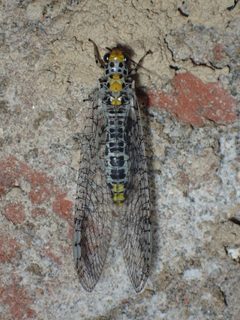
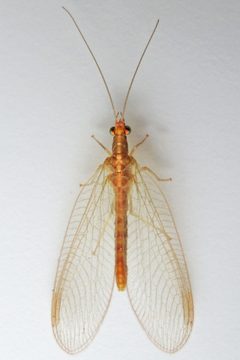
Chrysopinae is the nominate and largest of green lacewings (Chrysopidae), comprising approximately 60 . The subfamily includes well-known genera such as Chrysoperla and Chrysopa, which are common in Europe and North America. Members are distinguished by their delicate, green bodies and golden . Larvae are predatory and several have been employed in biological pest control programs.

Pronunciation
How to pronounce Chrysopinae: /ˌkrɪsəˈpaɪniː/
These audio files are automatically generated. While they are not always 100% accurate, they are a good starting point.
Identification
Distinguished from other by combination of green body coloration, golden , and wing venation patterns. Within Chrysopidae, distinguished from Apochrysinae (brown lacewings) by green coloration and from Nothochrysinae by morphological and genetic characteristics. Tribal-level identification requires examination of wing venation, genitalia, and other subtle morphological features.
Images
Habitat
Vegetated areas including forests, orchards, gardens, and agricultural fields. often found near vegetation where prey occur.
Distribution
Worldwide distribution; particularly well-represented in temperate and tropical regions. Chrysoperla and Chrysopa common in Europe and North America. Tribe Ankylopterygini includes found in China (Xizang, Yunnan provinces).
Seasonality
Activity patterns vary by and climate; generally active during warmer months when prey are abundant.
Diet
Larvae are predatory, feeding on soft-bodied terrestrial arthropods including aphids, , , and other small insects. feeding habits vary; some feed on nectar, pollen, or honeydew, while others may be predatory or take little food.
Life Cycle
Complete with , larva, pupa, and stages. Larvae are active . occurs in silken cocoons attached to vegetation.
Behavior
Larvae are active hunters of soft-bodied prey. are primarily or , attracted to lights. Some produce audible vibrations for communication.
Ecological Role
Important of agricultural and forestry pests, particularly aphids. Significant role in of pest in managed .
Human Relevance
Several , notably in Chrysoperla and Chrysopa, are mass-reared and sold for biological pest control. Mallada signatus (Australian species) has been used in pest management programs.
Similar Taxa
- ApochrysinaeBrown lacewings with brown or tan coloration rather than green; similar body plan but different coloration and preferences
- NothochrysinaeSister within Chrysopidae; distinguished by morphological and molecular characteristics, generally less common and with more restricted distributions
- Hemerobiidae (brown lacewings)Different of lacewings; generally smaller, brown in color, with different wing venation patterns
More Details
Tribal Classification
Chrysopinae contains four recognized tribes: Ankylopterygini, Belonopterygini, Chrysopini, and Leucochrysini, plus the fossil tribe Nothancylini. Phylogenetic studies based on mitogenomes indicate Nothancylini as sister to the remaining tribes, with (Leucochrysini + Belonopterygini) and (Ankylopterygini + Chrysopini) forming sister clades.
Evolutionary History
Divergence time estimation suggests initial diversification of extant Chrysopidae in the Early Cretaceous, with the four main tribes of Chrysopinae diverging around the mid-Cretaceous.
Sources and further reading
- BugGuide
- Wikipedia
- iNaturalist taxon
- NCBI Taxonomy
- Catalogue of Life
- The tabanidae (Diptera) of Australia. 4. Subfamily chrysopinae
- The classification and distribution of tabanidae (Diptera) 3. Subfamilies scepsidinae and chrysopinae.
- New Mitogenomes of the Green Lacewing Tribe Ankylopterygini (Neuroptera: Chrysopidae: Chrysopinae) and Phylogenetic Implications of Chrysopidae.