
Hemerobiiformia
Lacewings and Allies
Family Guides
9- Berothidae(Beaded Lacewings)
- Chrysopidae(Green lacewings)
- Coniopterygidae(Dustywings)
- Dilaridae(Pleasing Lacewings)
- Hemerobiidae(Brown Lacewings)
- Ithonidae(moth lacewings)
- Mantispidae(mantidflies)
- Nemopteridae(Spoonwings)
- Sisyridae(spongillaflies)
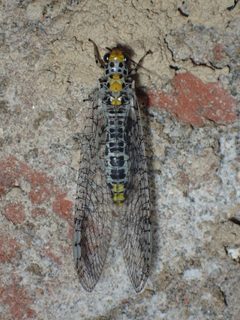
is a suborder of Neuroptera comprising lacewings, mantidflies, and related . Traditional classifications grouped these insects separately from antlions and owlflies (Myrmeleontiformia), but 2014 phylogenetic studies using mitochondrial revealed Hemerobiiformia to be , with some lineages more closely related to Myrmeleontiformia than to other Hemerobiiformia. The Osmyloidea, previously placed here, appears to represent a basal lineage outside both groups. The suborder includes families such as Hemerobiidae (brown lacewings), Chrysopidae (green lacewings), and Mantispidae (mantidflies).


Pronunciation
How to pronounce Hemerobiiformia: /hɛˌmɛroʊˌbaɪəˈfɔrmiə/
These audio files are automatically generated. While they are not always 100% accurate, they are a good starting point.
Images
Similar Taxa
- MyrmeleontiformiaTraditionally contrasted with ; includes antlions, owlflies, and related . Phylogenetic studies now indicate these groups are intermixed, with Hemerobiiformia being with respect to Myrmeleontiformia.
- OsmyloideaPreviously classified within but now recognized as a more ancient lineage basal to both Hemerobiiformia and Myrmeleontiformia, not properly belonging to either suborder.
More Details
Taxonomic instability
The classification of remains in flux following 2014 phylogenetic work. The traditional grouping does not represent a monophyletic clade, and future taxonomic revisions may substantially reorganize these .