Ancylis
Hübner
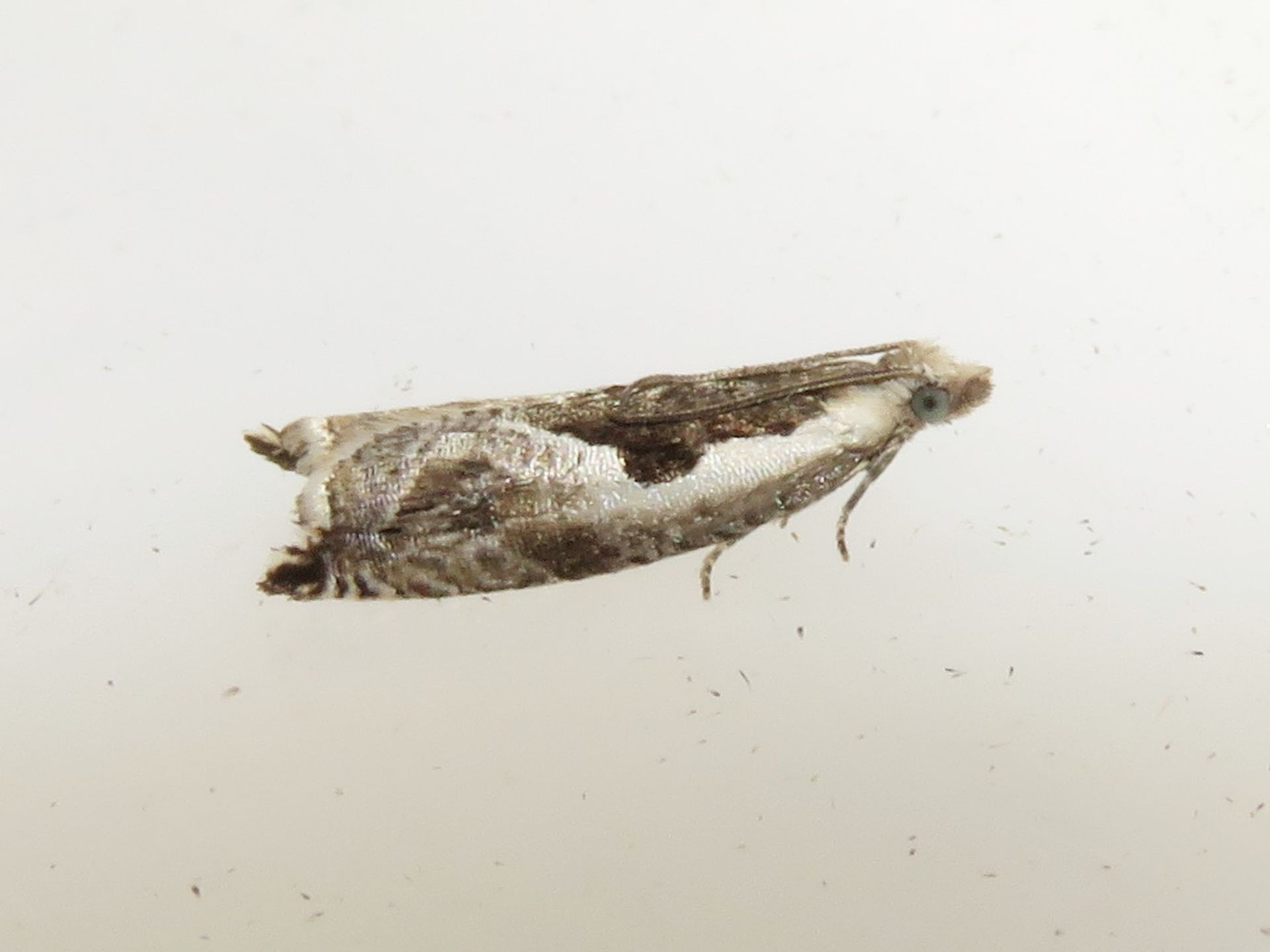
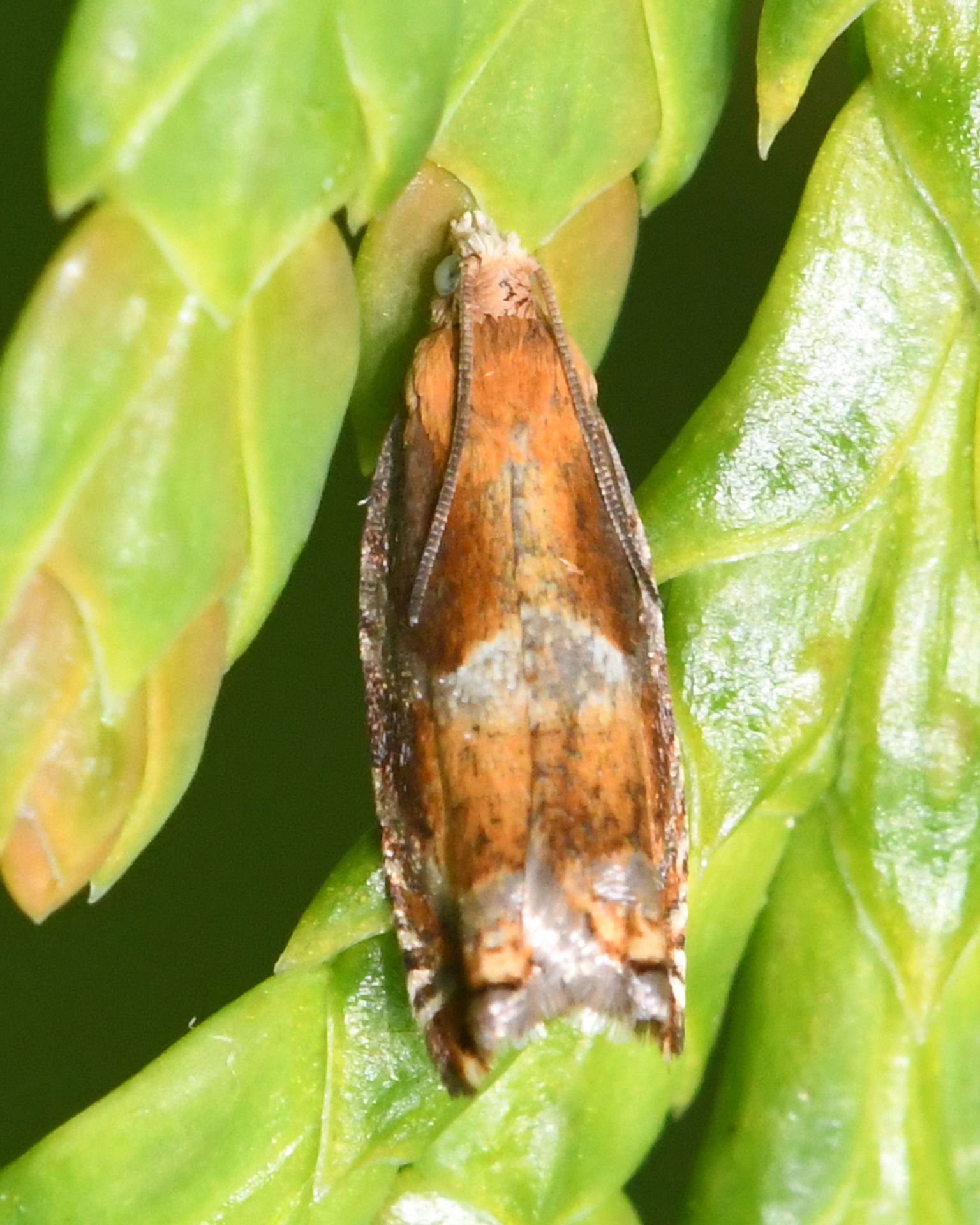
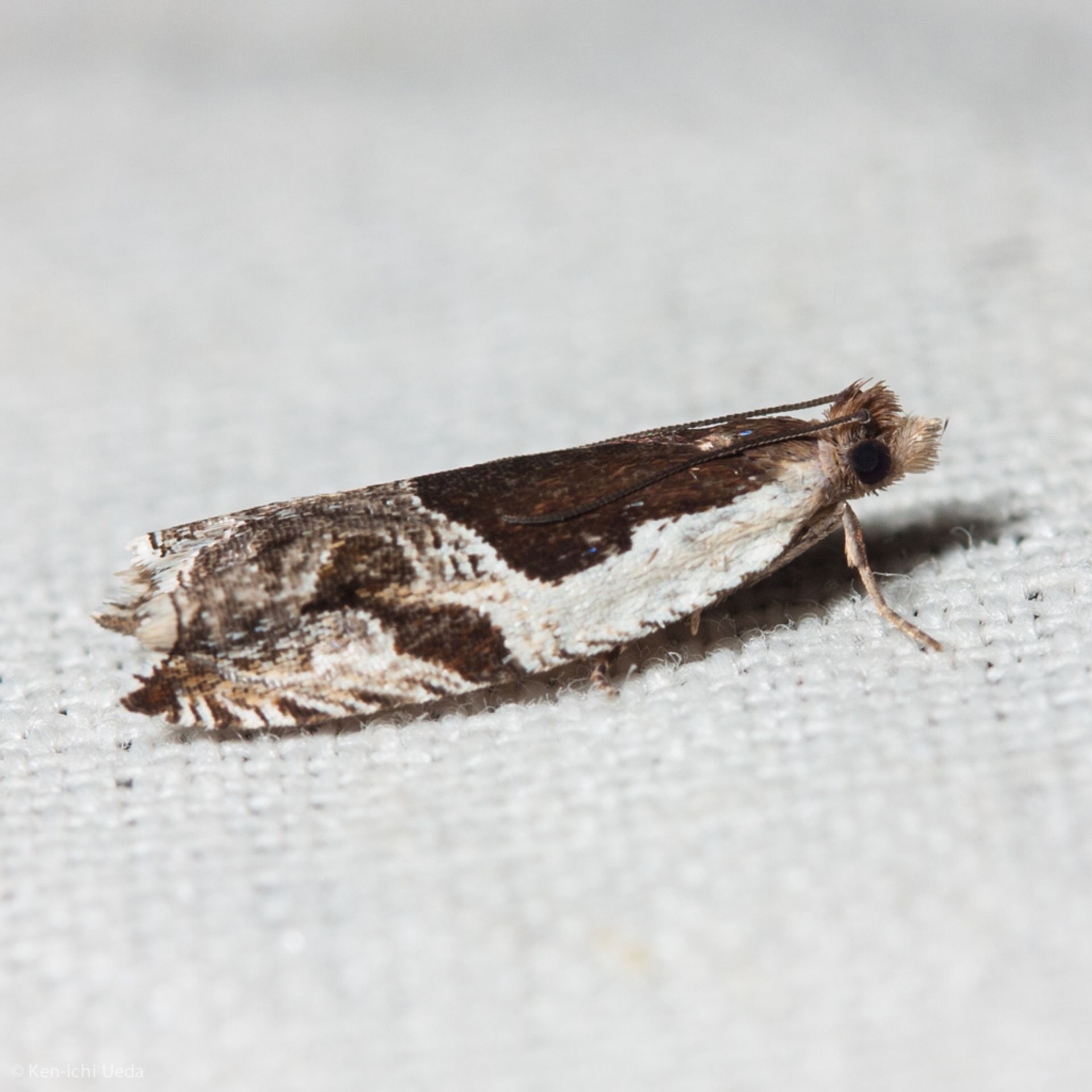
Ancylis is a of tortricid moths (Lepidoptera: Tortricidae) commonly known as leafroller moths. in this genus are typically small with mottled or banded forewings. Many are and associated with specific plants, with larvae that fold or roll leaves of trees and shrubs. The genus has a Holarctic distribution with some species also recorded from Asia. Several species are of economic importance as pests of fruit crops and forestry trees.
Pronunciation
How to pronounce Ancylis: /ˈæn.sɪ.lɪs/
These audio files are automatically generated. While they are not always 100% accurate, they are a good starting point.
Identification
Small tortricid moths with forewings that often show mottled, banded, or spotted patterns in shades of brown, tan, and cream. Wing patterns frequently include darker transverse bands or costal patches. Genitalia , particularly the shape of the uncus and valvae in males and the signum in females, is required for reliable identification. (COI sequences) has been increasingly used to resolve taxonomic boundaries between closely related species.
Images
Habitat
occur in forested and agricultural where their plants grow. Larvae are found on leaves of host trees and shrubs; many species overwinter in leaf litter or soil.
Distribution
Holarctic distribution with records from North America, Europe, and Asia. Individual ranges vary: some are Holarctic (e.g., A. unguicella, A. uncella), while others are restricted to specific regions such as Austria, Germany, Oregon (USA), Florida (USA), or China.
Seasonality
Most are with typically in late spring to early summer (e.g., June for A. discigerana). Exact timing varies by species and latitude.
Life Cycle
Typically . Larvae develop through multiple instars (usually five) on plant leaves, with final instar larvae often in leaf litter or soil. occurs in spring, followed by . Some show leaf-folding where later instar larvae fold leaves lengthwise and feed within.
Behavior
Larvae are leaf folders or rollers, constructing silk shelters between leaf or folding leaves to create protected feeding chambers. First instar larvae often skeletonize leaf surfaces beneath silk webbing; later instars may fold entire leaves. are and attracted to light.
Ecological Role
Herbivores on woody plants; serve as prey for including parasitoids (e.g., Trichogramma minutum) and larval parasitoids (e.g., Apanteles polychrosidis).
Human Relevance
Some are economic pests of fruit crops (e.g., jujube) and forestry trees, causing damage through larval leaf-rolling and feeding.
Similar Taxa
- CroesiaAlso in Tortricidae with leaf-rolling larvae; distinguished by genitalia and wing pattern details
- EpinotiaSmall tortricids with similar size and ; Ancylis typically has more pronounced costal patches and different genitalia structure
- SparganothisSimilar leafroller moths; Ancylis often have more angular forewing apex and different larval shelter construction
Sources and further reading
- BugGuide
- iNaturalist taxon
- Grasshoppers of Colorado
- Grasshoppers of Colorado
- Encyrtid Holdings | Entomology Research Museum
- Bug Eric: One Night, One House, Seventeen Spider Species
- new spider | Blog
- Bug Eric: Spider Sunday: Spring Spiders
- BIOLOGY OF ANCYLIS DISCIGERANA (LEPIDOPTERA: TORTRICIDAE)
- Different continents, same species? Resolving the taxonomy of some Holarctic Ancylis Hübner (Lepidoptera: Tortricidae)
- Description of a new species, records of five previously unrecorded species, and rediscovery of a lost species in the genus Ancylis Hübner (Lepidoptera: Tortricidae) from China
- Studies on the Biology of Leaf Roller, Ancylis sativa (Liu) (Lepidoptera: Tortricidae) a Major Pest of Jujube (Ziziphus mauritiana)