
Sphingini
Latreille, 1802
Genus Guides
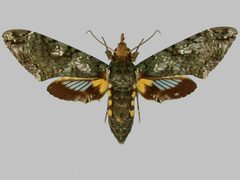
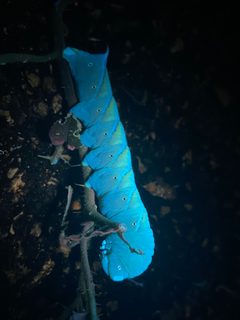
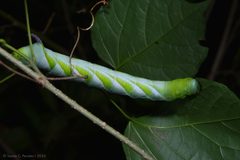
13Sphingini is a tribe of hawkmoths ( Sphingidae) established by Pierre André Latreille in 1802. The tribe contains approximately 40 including well-known groups such as *Manduca* (hornworms), *Sphinx* (typical sphinx moths), and *Xanthopan* (including the famous predicted of *Angraecum sesquipedale*). Members are characterized by robust bodies, strong capabilities, and often large size relative to other Lepidoptera. The tribe is part of the Sphinginae and represents one of the most diverse and widely distributed lineages within the hawkmoths.
Pronunciation
How to pronounce Sphingini: /ˈsfɪndʒɪnaɪ/
These audio files are automatically generated. While they are not always 100% accurate, they are a good starting point.
Images
Distribution
distribution spanning all major biogeographic regions including the Nearctic, Palearctic, Neotropical, Afrotropical, Oriental, and Australasian realms. Individual show varying ranges: *Manduca* is primarily New World, *Sphinx* is Holarctic, *Xanthopan* is Afrotropical, and *Psilogramma* extends through the Oriental and Australasian regions.
Human Relevance
The *Manduca* includes agricultural pests such as the tobacco hornworm (*Manduca sexta*) and tomato hornworm (*Manduca quinquemaculata*), which cause significant damage to solanaceous crops. *Manduca sexta* is also a widely used model organism in neurobiology, physiology, and developmental research. The hawkmoth-*Angraecum* pollination mutualism involving *Xanthopan morganii praedicta* provided early evidence for and influenced Darwin's evolutionary thinking.
Similar Taxa
- MacroglossiniAnother tribe in Sphinginae; distinguished by generally smaller body size, shorter relative to body, and different wing venation patterns. Macroglossini often have more activity and faster, more erratic compared to the typically or Sphingini.
- SmerinthiniTribe in Smerinthinae; distinguished by reduced, non-functional mouthparts in (adults do not feed), more rounded wing shapes, and often prominent eyespot patterns on hindwings used for deflection.
More Details
Historical significance
The predicted existence of *Xanthopan morganii praedicta* by Alfred Russel Wallace and Charles Darwin, based solely on the extremely long nectar spur of the orchid *Angraecum sesquipedale* from Madagascar, became a celebrated case study in coevolutionary . The hawkmoth was discovered decades later, validating the predictive power of evolutionary theory.
Model organism status
*Manduca sexta* has become one of the most important insect model systems due to its large size, ease of laboratory rearing, and accessible neuroanatomy. It has contributed fundamental insights into insect mechanics, olfactory processing, regulation of , and - interactions.