
Lintneria
Butler, 1876
Species Guides
5- Lintneria eremitoides(Sage Sphinx)
- Lintneria eremitus(Hermit Sphinx)
- Lintneria istar(Istar sphinx moth)
- Lintneria separatus(Separated Sphinx)
- Lintneria smithi(Smith's Sphinx)
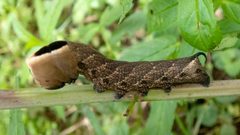
Lintneria is a of sphinx moths (Sphingidae) established by Butler in 1876. in this genus are medium to large-sized hawkmoths found primarily in the Americas. The genus was historically merged with Sphinx but was reinstated as distinct based on morphological and molecular evidence. Lintneria species are characterized by specific wing venation patterns and genitalic structures that separate them from closely related genera.
Pronunciation
How to pronounce Lintneria: //ˈlɪnt.nɛ.ri.ə//
These audio files are automatically generated. While they are not always 100% accurate, they are a good starting point.
Identification
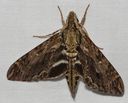
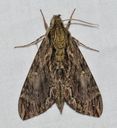
Lintneria can be distinguished from the similar Sphinx by forewing venation with a longer and differences in male genitalia structure. The is functional and fully developed. Wing patterns generally feature muted earth tones with distinct forewing markings. -level identification requires examination of genitalia or detailed wing pattern analysis.
Images
Habitat
occur in diverse environments including montane forests, oak woodlands, riparian corridors, and suburban gardens with suitable plants. Many species show elevational distribution patterns, with some restricted to highland .
Distribution
Primarily distributed across the Americas from the southwestern United States through Mexico and Central America to South America. Several are to specific mountain ranges or regions.
Diet
feed on nectar from various flowering plants. Larvae feed on plants in the Lamiaceae, including sages (Salvia), mints, and related .
Host Associations
- Salvia - larval food plantprimary
Behavior
are and attracted to light. Strong, sustained capability typical of sphingid . Larvae often feed conspicuously on plant foliage.
Ecological Role
function as for nocturnally flowering plants. Larvae serve as herbivores that transfer energy from plants to higher , supporting and .
Human Relevance
Some are encountered by gardeners and naturalists due to larval feeding on cultivated Salvia species. are occasionally attracted to mercury vapor or UV light traps.