
Lapara
Walker, 1856
Species Guides
3- Lapara bombycoides(Northern Pine Sphinx)
- Lapara coniferarum(Southern Pine Sphinx)
- Lapara phaeobrachycerous(Gulf Pine Sphinx)
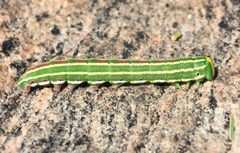
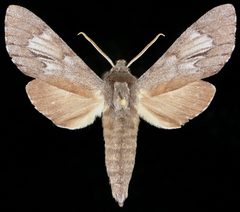
Lapara is a of sphinx moths (Sphingidae) established by Walker in 1856. in this genus occur in North America, with active during the warmer months. The genus is part of the diverse Sphingini tribe, which contains many medium to large-sized hawkmoths with rapid, sustained capabilities. Larvae of Lapara species feed on coniferous trees.

Pronunciation
How to pronounce Lapara: /læˈpɛɹə/
These audio files are automatically generated. While they are not always 100% accurate, they are a good starting point.
Images
Habitat
Associated with coniferous forest , particularly pine-dominated woodlands. Larval development occurs on conifer .
Distribution
North America; records from United States including Vermont.
Seasonality
activity during warmer months; specific periods vary by and latitude.
Diet
Larvae feed on coniferous trees, including pines (Pinus ).
Host Associations
- Pinus - larval primary for larval development
Life Cycle
Complete with , larval, pupal, and stages. Larvae are conifer-feeding caterpillars that pupate in soil or leaf litter.
Ecological Role
Larvae function as herbivores in coniferous forest . may contribute to pollination through nectar feeding, though this has not been quantified for this specifically.
Similar Taxa
- SphinxBoth are conifer-feeding sphingine with similar ; Lapara are generally smaller and have distinct forewing pattern elements
- HyloicusShares conifer association and overall body plan; Hyloicus typically shows more pronounced wing pattern contrast and different abdominal banding