
Sphinx
Linnaeus, 1758
sphinx moth, hawk moth, hummingbird moth
Species Guides
16- Sphinx asellus(Asellus Sphinx)
- Sphinx canadensis(Canadian sphinx)
- Sphinx chersis(Great Ash Sphinx)
- Sphinx dollii(Doll's Sphinx)
- Sphinx drupiferarum(wild cherry sphinx)
- Sphinx franckii(Franck's Sphinx)
- Sphinx gordius(apple sphinx)
- Sphinx kalmiae(laurel sphinx)
- Sphinx libocedrus(Incense Cedar Sphinx)
Sphinx is a of in the Sphingidae, first described by Linnaeus in 1758. These moths are commonly known as sphinx moths, hawk moths, or hummingbird moths due to their rapid, hovering and large size. The genus includes several ash- that have become conservation concerns due to decline of their trees from emerald ash borer . The name derives from the caterpillar's defensive posture when disturbed—rearing up with retracted, resembling the Egyptian sphinx.
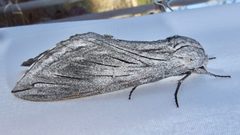
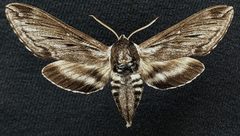
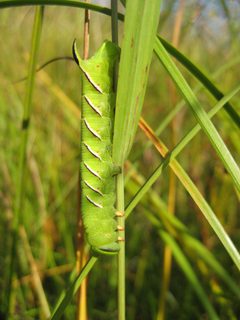
Pronunciation
How to pronounce Sphinx: /ˈsfɪŋks/
These audio files are automatically generated. While they are not always 100% accurate, they are a good starting point.
Identification
distinguished from other sphingid by combination of: non-clubbed (thickened but not hooked at tip), forewings with more or less straight outer margins, and resting posture with wings held flat or slightly tented over body (not strongly angled like some relatives). Larvae identified by the single horn (shared with other sphingids) combined with specific plant associations and pattern details—Sphinx typically have seven or eight diagonal stripes rather than the chevron patterns seen in Manduca. Ash- species (S. kalmiae, S. chersis) can be distinguished by range and subtle wing pattern differences, but require expert verification. From the similar Ceratomia undulosa (waved sphinx), Sphinx species lack the strongly wavy transverse lines on forewings.
Images
Habitat
Primarily associated with woodland edges, riparian corridors, and suburban areas where trees grow. Ash- require stands of Fraxinus (ash). Other species utilize various woody plants including lilac, privet, and other Oleaceae. frequent gardens, meadows, and forest openings where nectar sources are abundant. Larval specificity is high; adults are more in habitat use.
Distribution
Holarctic distribution with primary diversity in North America and Eurasia. North American range across the continent, with ash- concentrated in the eastern and central United States and southern Canada where ash forests are or were prevalent. Some species extend into Mexico. The has been introduced or naturally occurs in limited areas outside native range through human transport of plants.
Seasonality
fly primarily from late spring through summer, with peak activity varying by latitude and . Most species are or . In northern ranges, single with adults in June-July; southern may have two or more generations with adults present from May through August. occurs as pupae in soil. Adults are and , with some activity observed.
Diet
Larvae are herbivores on woody plants, primarily in Oleaceae (ash, lilac, privet, olive ). Specific associations: Sphinx kalmiae and S. chersis specialize on Fraxinus (ash); other utilize Syringa (lilac), Ligustrum (privet), and related . feed on nectar from diverse flowers, with long enabling access to deep, tubular corollas. They are important of night-blooming and flowers.
Host Associations
- Fraxinus (ash) - larval Primary for S. kalmiae and S. chersis; declines linked to emerald ash borer devastation
- Syringa vulgaris (lilac) - larval Non-native alternative ; performance varies by
- Ligustrum vulgare (European privet) - larval alternative ; may act as ecological trap causing developmental malformations
Life Cycle
Complete with four stages. laid singly on plant foliage. Larvae pass through five instars, feeding nocturnally and hiding near plant base during day. Final instar burrows into soil 5-15 cm deep and constructs earthen chamber for . Pupal stage lasts 2-4 weeks in summer, or 8-10 months if . emerge, mate, and females deposit eggs on suitable hosts. time: 6-10 weeks under favorable conditions.
Behavior
are powerful, fast fliers capable of sustained hovering while feeding— that earns them the 'hummingbird ' name. speed among the fastest of Lepidoptera. Larvae exhibit characteristic defensive behavior when disturbed: body raised, retracted, swollen into sphinx-like posture. This posture, combined with large eyespot markings on some , may startle . Larvae are otherwise sedentary, feeding and resting on foliage. activity in larvae; adults active at dusk, night, and dawn.
Ecological Role
Larvae function as significant herbivores in forest and riparian , though rarely reaching densities. Their specialized feeding on ash and related trees represents a coevolved relationship now disrupted by pests. are important , transferring pollen while nectaring at diverse flowers. They serve as prey for bats, birds, and other ; larvae are parasitized by tachinid flies, braconid and ichneumonid wasps. The decline of ash-dependent Sphinx illustrates broader ecosystem impacts of tree loss on specialized insect .
Human Relevance
Larvae occasionally become minor pests in gardens and nurseries, feeding on lilac and privet. The tobacco hornworm (Manduca sexta, related ) is a major agricultural pest, sometimes confused with Sphinx . are valued by enthusiasts and citizen scientists; their dramatic appearance and accessible make them flagship species for moth appreciation. Conservation concern for ash- species has highlighted the ecological consequences of forest pests. Historically, the caterpillar's 'sphinx' pose gave the entire its .
Similar Taxa
- CeratomiaSimilar ash-feeding sphingids with comparable larval ; distinguished by more strongly patterned forewings with wavy transverse lines and different pupal structure
- Manduca larvae with similar appearance and defensive posture; distinguished by plants (Solanaceae: tomato, tobacco, pepper) and with hooked tips
- SmerinthusRelated sphingid with 'eyed sphinx' ; have more rounded forewings and often display large eyespots on hindwings when disturbed
- HylesIncludes 'hummingbird ' like H. lineata with similar ; more generalized plant range and different pattern
Misconceptions
The 'hummingbird ' is applied to multiple sphingid (Hemaris, Hyles, Sphinx, others), causing confusion. Sphinx are not the 'true' hummingbird moth—that name officially belongs to Hemaris thysbe. The 'sphinx' name refers specifically to the larval defensive posture, not appearance. Ash- species were historically considered secure but are now threatened; their conservation status is often underestimated due to past abundance.
More Details
Emerald Ash Borer Impact
Three North American (Sphinx kalmiae, S. chersis, Ceratomia undulosa) are ash whose have declined dramatically following emerald ash borer (Agrilus planipennis) devastation. Research shows alternative plants (lilac, privet) support variable larval survival; privet may act as an 'ecological trap' causing pupal malformations. Conservation efforts focus on preserving remaining ash stands and removing privet.
Etymology
The name Sphinx and derive from Greek mythology via the caterpillar's defensive posture. When disturbed, the larva raises its body and retracts its , creating a profile resembling the Egyptian sphinx monument. Linnaeus established this genus in 1758 in the 10th edition of Systema Naturae.
Research Significance
Sphinx have served as model organisms for studies on insect biomechanics, -bat acoustic interactions, and plant-insect . The is frequently referenced in literature on sphingid and natural history.
Sources and further reading
- BugGuide
- Wikipedia
- iNaturalist taxon
- NCBI Taxonomy
- Catalogue of Life
- The Hornworms Are Not Your Friends | Bug Squad
- Don't Miss Bohart Museum Open House on Nov. 2 | Bug Squad
- Bug Eric: White-lined Sphinx ("Hummingbird Moth")
- For Ash-Dependent Insects, Some Plants Make Good Alternatives—But Others Don't
- Bug Eric: Moth Week and "Mothapalooza"
- Bug Eric: National Moth Week Recap, 2015