
Lapara phaeobrachycerous
Brou, 1994
Gulf Pine Sphinx
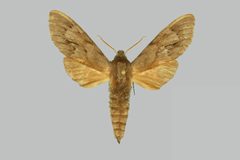
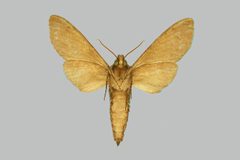
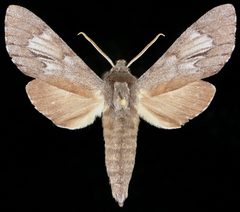
Lapara phaeobrachycerous, the Gulf Pine Sphinx, is a sphinx moth (Sphingidae) described by Brou in 1994. It is restricted to pine forests in the southeastern United States, specifically Mississippi and eastern Louisiana. have a wingspan of 64–78 mm and are active from April through October.
Pronunciation
How to pronounce Lapara phaeobrachycerous: /læˈpɑːrə feɪoʊbrəˈkɪərəs/
These audio files are automatically generated. While they are not always 100% accurate, they are a good starting point.
Identification
Distinguished from congeneric Lapara bombycoides (Northern Pine Sphinx) by geographic range—L. phaeobrachycerous is restricted to the Gulf Coastal Plain of Mississippi and eastern Louisiana, while L. bombycoides occurs farther north. Forewing pattern subtle; may require genitalia dissection for definitive identification. Antennal structure in males differs between .
Images
Habitat
Pine forests, specifically longleaf pine (Pinus palustris) and loblolly pine (Pinus taeda) stands. Occupies mature forest with open understory and sandy soils typical of the Gulf Coastal Plain.
Distribution
to the southeastern United States. Known only from Mississippi and eastern Louisiana. Range appears restricted to the Gulf Coastal Plain physiographic region.
Seasonality
Multivoltine with five per year in Louisiana. on wing from April to October. Peak activity likely coincides with warm months; no winter adult activity recorded.
Diet
Larvae probably feed on Pinus , specifically Pinus palustris (longleaf pine) and Pinus taeda (loblolly pine). feeding habits unknown; likely nectar from flowers if observed.
Host Associations
- Pinus palustris - larval plantprobable
- Pinus taeda - larval plantprobable
Life Cycle
Five per year in Louisiana. Complete with , larva, pupa, and stages. likely occurs in soil or leaf litter. Detailed poorly documented.
Behavior
are and attracted to light. period spans warm months with multiple overlapping . Larval unknown; likely solitary feeders on pine needles.
Ecological Role
Larval herbivore on native pine . Role in forest dynamics unstudied. may serve as if nectar feeding occurs.
Human Relevance
No significant economic impact documented. Of interest to lepidopterists due to restricted range and taxonomic distinction from related . Vulnerable to loss from pine forest conversion.
Similar Taxa
- Lapara bombycoidesCongeneric with overlapping ; distinguished by more northerly distribution (Great Lakes to New England and Appalachians) and subtle differences in male genitalia and antennal structure.
- Lapara coniferarumRelated conifer-feeding sphinx moth; occurs in different geographic region and on different plants.
More Details
Conservation status
Not formally assessed. Restricted range and dependence on native pine forests suggest potential vulnerability to fragmentation and fire suppression altering longleaf pine .
Taxonomic history
Described as a distinct by Vernon A. Brou, Jr. in 1994, separated from the widespread Lapara bombycoides based on morphological and geographic differences. Some sources list the epithet as 'phaeobrachycerousus' but the correct form per original description is 'phaeobrachycerous'.