
Isoparce
Rothschild & Jordan, 1903
Species Guides
1- Isoparce cupressi(Cypress Sphinx)
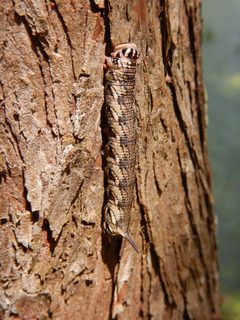
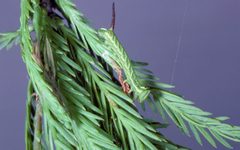
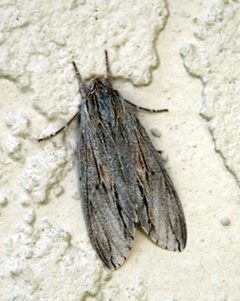
Isoparce is a of sphinx moths ( Sphingidae) established by Walter Rothschild and Karl Jordan in 1903. The genus contains two recognized : Isoparce cupressi, described from North America in 1875, and Isoparce broui, described from Southeast Asia in 2001. Both species are associated with coniferous plants.
Pronunciation
How to pronounce Isoparce: /ˈaɪsoʊˌpɑːrs/
These audio files are automatically generated. While they are not always 100% accurate, they are a good starting point.
Identification
Isoparce can be distinguished from other Sphingini by their association with Cupressaceae plants and their relatively specialized larval . are medium-sized sphinx moths with typical streamlined sphingid body form. Isoparce cupressi has been recorded with greenish forewings and a more slender build compared to some in related .
Images
Habitat
Associated with coniferous forests and plantations, particularly those containing Cupressaceae (cypress ) trees. Isoparce cupressi occurs in regions with native or ornamental cypress and juniper stands. Isoparce broui has been recorded from Southeast Asian localities with suitable coniferous .
Distribution
Isoparce cupressi: North America, including the southeastern United States and Mexico, with records extending into Central America. Isoparce broui: Southeast Asia (Philippines).
Diet
Larvae feed on Cupressaceae. Isoparce cupressi larvae have been recorded feeding on bald cypress (Taxodium distichum), pond cypress (Taxodium ascendens), and various Juniperus . plant associations for Isoparce broui are less documented but presumed to involve similar coniferous .
Host Associations
- Taxodium distichum - larval food plantbald cypress
- Taxodium ascendens - larval food plantpond cypress
- Juniperus - larval food plantjuniper
Ecological Role
Larvae function as herbivores on Cupressaceae, with potential localized impact on cypress and juniper foliage. likely contribute to pollination, though specific floral associations remain undocumented.
Human Relevance
Isoparce cupressi is occasionally encountered in ornamental cypress plantings and may attract attention from enthusiasts. The has no significant economic impact as a pest. The is of interest to sphingid taxonomists due to its specialized plant associations and disjunct geographic distribution.
Similar Taxa
More Details
Taxonomic history
The was erected by Walter Rothschild and Karl Jordan in their 1903 revision of Sphingidae. The two are remarkably disjunct geographically, with I. cupressi in the New World and I. broui in the Philippines, suggesting either ancient vicariance or incomplete sampling of Asian conifer-feeding sphingids.