Isoparce cupressi
Boisduval, 1875
Cypress Sphinx, Baldcypress Sphinx
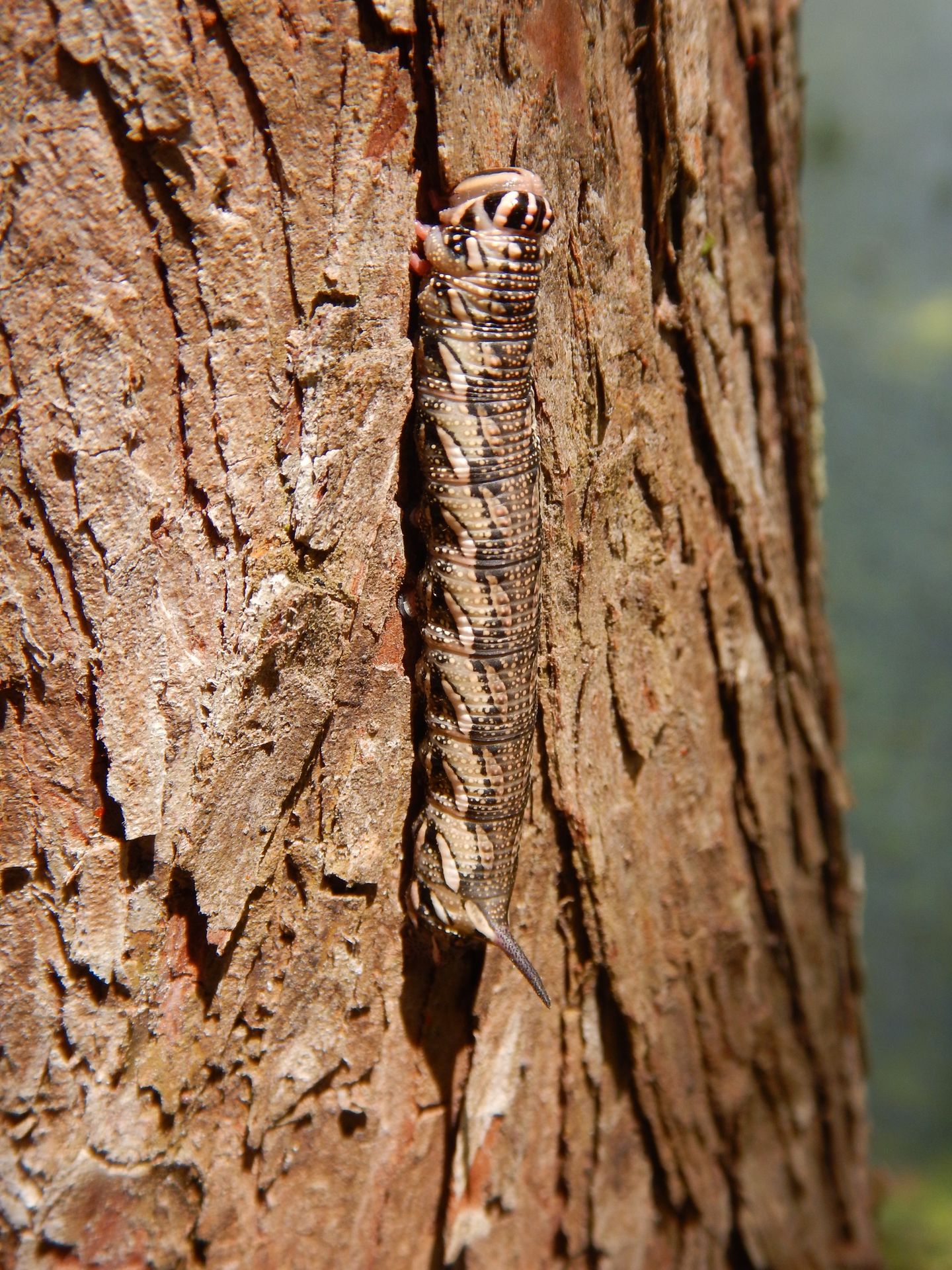
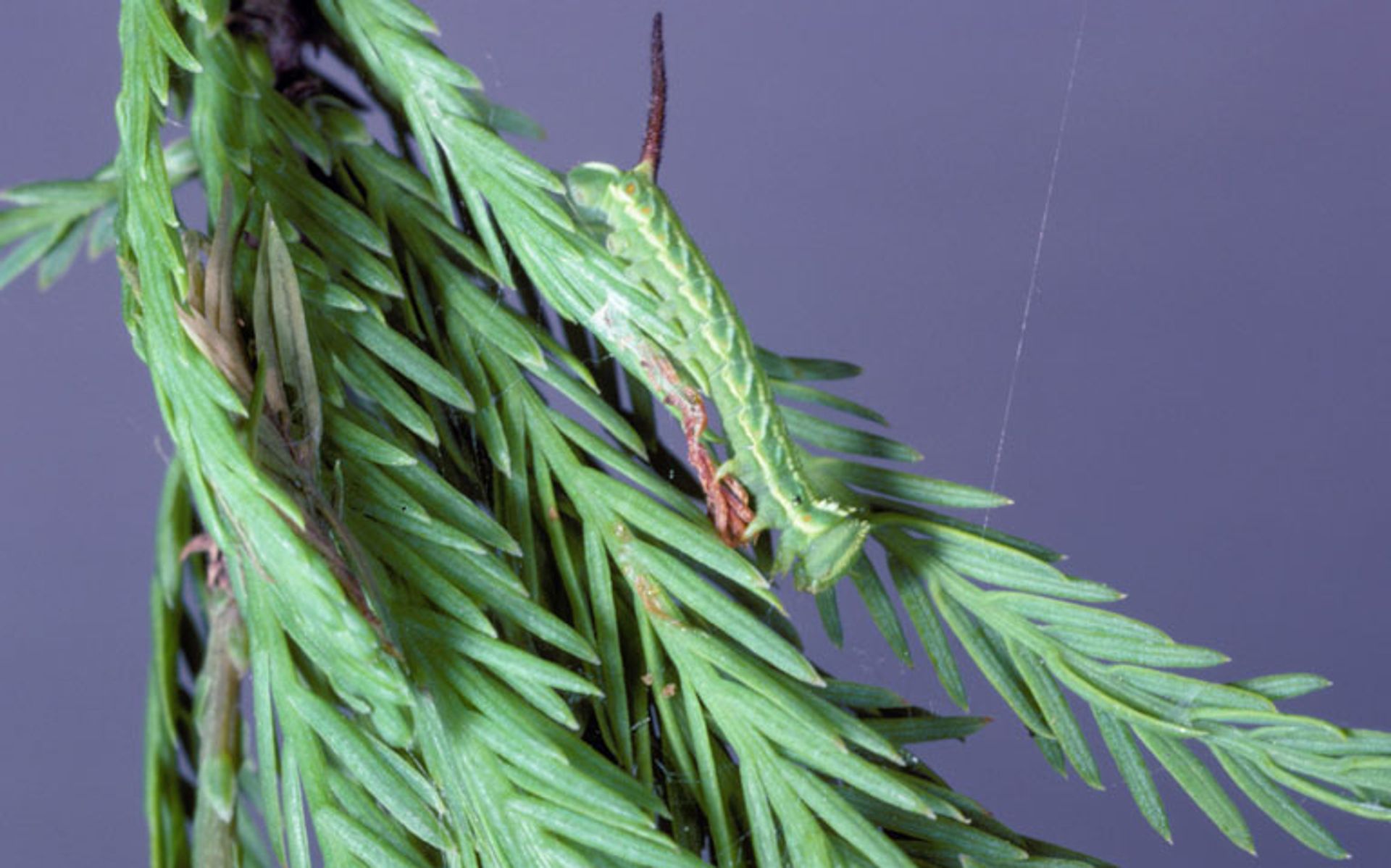
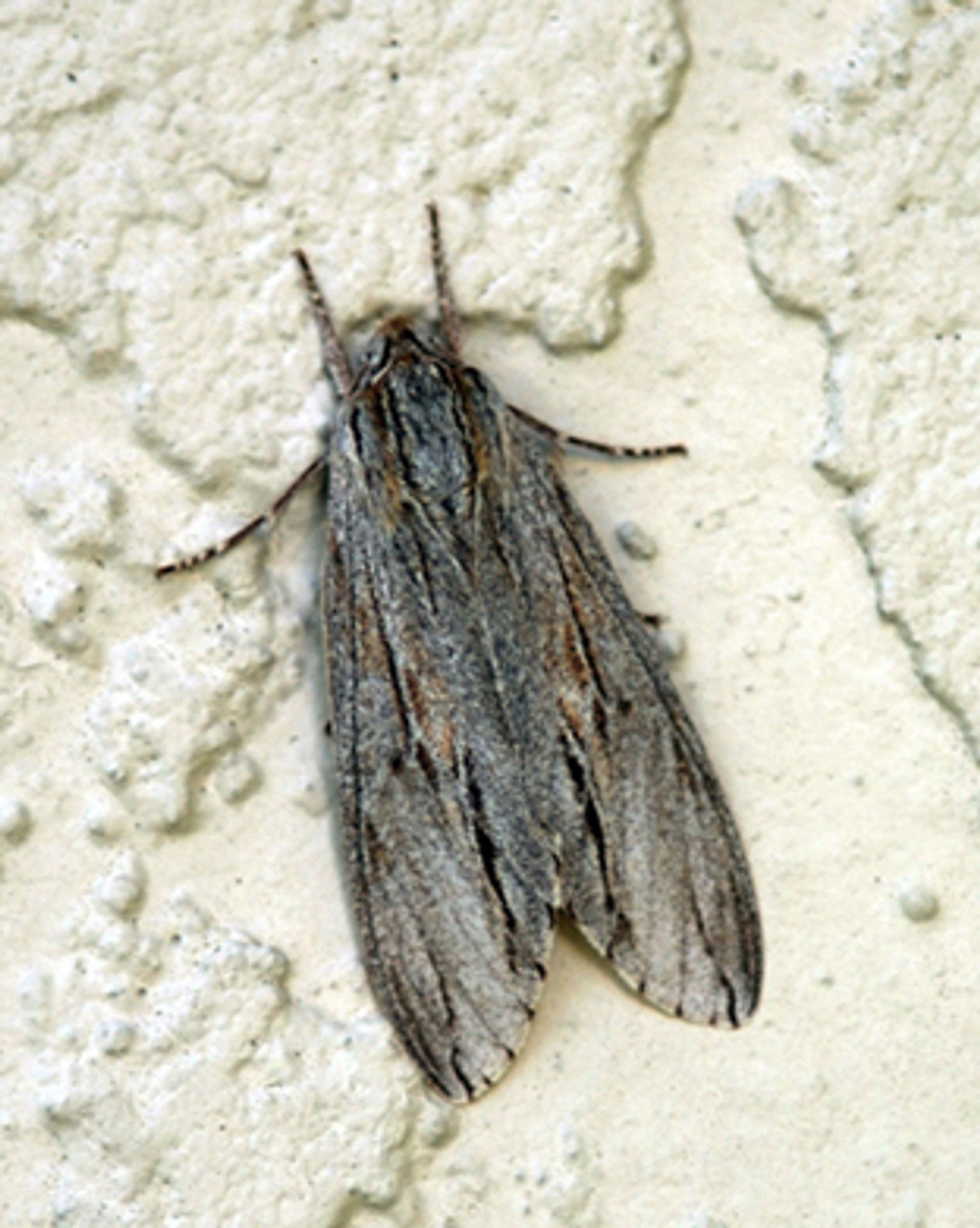
Isoparce cupressi is a sphinx moth ( Sphingidae) commonly known as the cypress sphinx or baldcypress sphinx. The is strongly associated with cypress swamp in the southeastern and south-central United States. are active from February through October in the southern portion of their range, with multiple per year reported. The specific epithet 'cupressi' references the Taxodium (bald cypress), indicating a close ecological relationship with this plant.
Pronunciation
How to pronounce Isoparce cupressi: /ˌaɪsoʊˈpɑrsi kuˈprɛsi/
These audio files are automatically generated. While they are not always 100% accurate, they are a good starting point.
Identification
The can be distinguished from other sphinx moths by its association with cypress swamp and its relatively small wingspan (60–65 mm) compared to many larger sphingid species. The specific plant relationship with Taxodium distichum (bald cypress) provides an additional diagnostic clue. Similar species in the Isoparce or related sphingids may be distinguished by differences in size, wing pattern, and habitat preferences, though specific comparative details are not documented in available sources.
Images
Appearance
Wingspan measures 60–65 mm. As a member of the Sphingidae , possess the characteristic streamlined, robust body form and narrow, pointed forewings typical of sphinx moths. Detailed coloration and pattern descriptions are not available in the provided sources.
Habitat
Cypress swamps, specifically dominated by Taxodium distichum (bald cypress). These are wetland characterized by standing water, saturated soils, and the distinctive cypress trees with their buttressed trunks and 'knees' (pneumatophores).
Distribution
United States: Maryland southward along the Atlantic coastal plain, continuing westward through the Gulf coastal states to Texas. The has also been reported from Mexico, extending the range south of the U.S. border.
Seasonality
are on wing from February to October in Louisiana, with at least four per year. This extended period suggests a long seasonal activity window throughout the warmer months in the southern portion of the range.
Host Associations
- Taxodium distichum - plantThe specific epithet 'cupressi' and 'baldcypress sphinx' indicate a strong association with bald cypress, though the exact nature of the relationship (larval , nectar source, or both) is not explicitly documented in available sources.
Life Cycle
Multiple per year occur in Louisiana (at least four), with active from February through October. Specific details regarding , larval, and pupal stages are not documented in available sources.
Similar Taxa
- Other Sphingidae speciesMany sphinx moths share the general body plan and wing shape. Isoparce cupressi is distinguished by its smaller size (60–65 mm wingspan), specific association with cypress swamps, and geographic distribution in the southeastern United States.
More Details
Taxonomic History
Originally described as Sphinx cupressi by Boisduval in 1875, later transferred to the Isoparce. The basionym reflects the historical classification within the broader sphinx moth group before modern generic revisions.
Conservation Status
Not evaluated in major conservation assessments. The ' association with cypress swamp may make it vulnerable to wetland loss, though specific trends are not documented.
Sources and further reading
- BugGuide
- Wikipedia
- GBIF taxonomy match
- iNaturalist taxon
- NCBI Taxonomy
- Catalogue of Life
- Cecidomyiidae | Beetles In The Bush
- galls | Beetles In The Bush
- 🌿 Botanizing w/ the Webster Groves Nature Study Society (WGNSS) Botany Group at Rockwoods Reservation – 3 Nov 2025 | Beetles In The Bush
- October | 2021 | Beetles In The Bush
- Let’s make a deal! | Beetles In The Bush
- Missouri | Beetles In The Bush | Page 4