
Predator
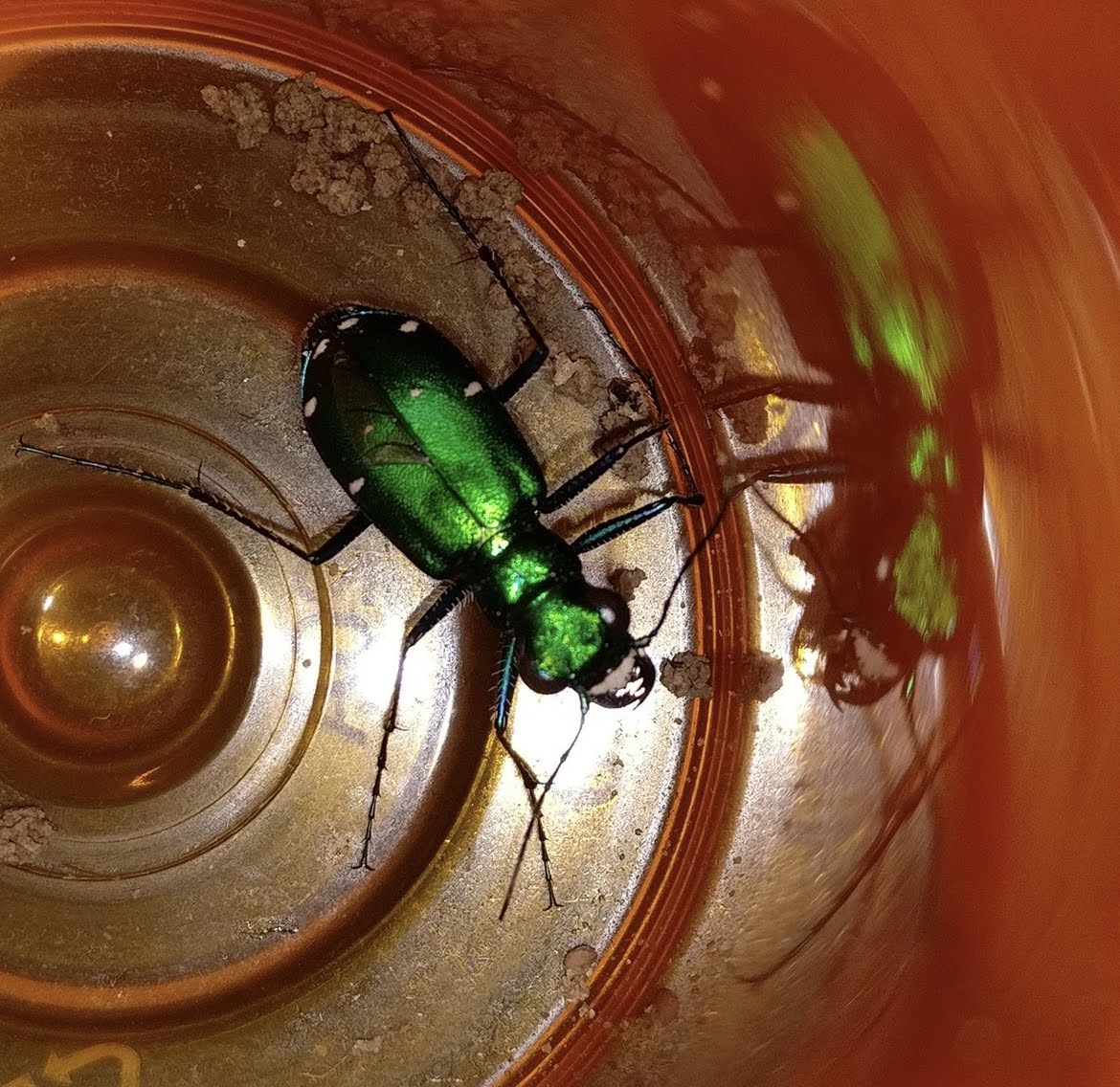
- Tiger beetles are some of the most charismatic insects on Earth: metallic, sharp-eyed, absurdly fast, and every bit as predatory as their name suggests. Come learn how they hunt, why their larvae live like tiny trapdoor monsters in the soil, and what their decline says about the fragile open habitats many other species need too.
Guides
Zeta
potter wasps
Zeta is a small neotropical genus of potter wasps in the subfamily Eumeninae, family Vespidae. The genus currently contains four species, with most having restricted geographic distributions. Three species are limited to specific regions: Zeta confusum is endemic to Cuba, Zeta abdominale occurs on several Caribbean islands, and Zeta mendozanum is restricted to the Monte and Patagonia regions of Argentina. Zeta argillaceum is the exception, being widespread and common across much of the neotropics.
Zeugomantispa
Green Mantidflies
Zeugomantispa is a genus of small predatory mantidflies in the family Mantispidae, commonly known as green mantidflies. The genus contains at least three described species distributed in the Americas, with Zeugomantispa minuta being the most frequently encountered and commonly called the green mantisfly. Adults are sit-and-wait predators that ambush small soft-bodied insects, while larvae are specialized predators of spider eggs within egg sacs. The genus is distinguished by its green coloration and raptorial forelegs that resemble those of praying mantises, though the two groups are not closely related.
Zeugomantispa minuta
green mantisfly, green mantidfly
Zeugomantispa minuta, commonly known as the green mantisfly, is a small predatory insect in the family Mantispidae. Adults are sit-and-wait predators that use raptorial forelegs to capture prey. Larvae are specialized parasitoids that develop within spider egg sacs, feeding on spider eggs. The species occurs across the Americas from the Caribbean through Central and North America to South America.
Zygona duplex
Zygona duplex is a species of soil-dwelling centipede in the family Geophilidae, described by Chamberlin in 1960. It belongs to the order Geophilomorpha, which comprises the most diverse group of centipedes characterized by their elongated, worm-like bodies with numerous leg pairs. The species is known from the United States.
