Enallagma recurvatum
Davis, 1913
Pine Barrens Bluet, Pale Barrens Bluet
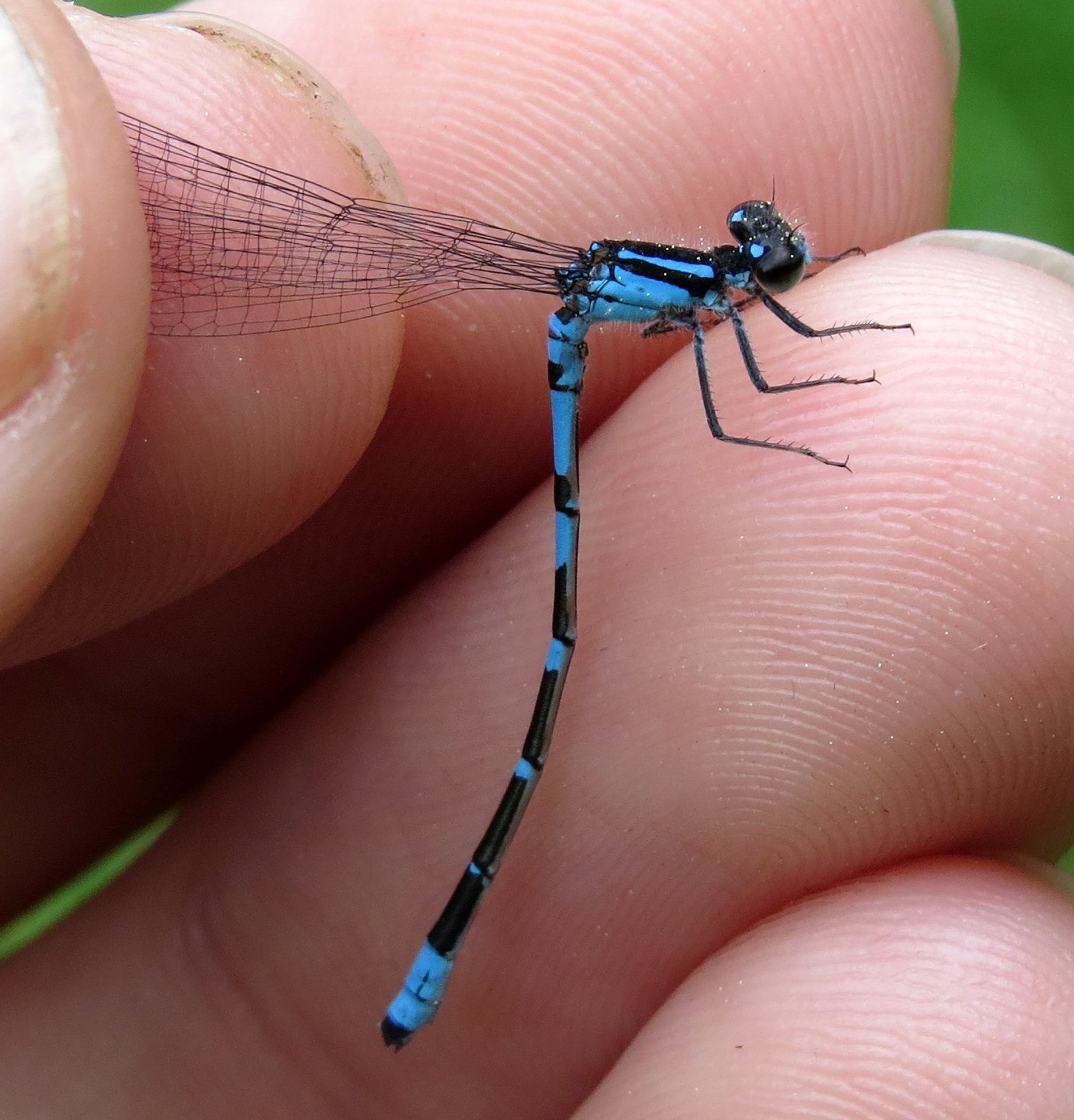
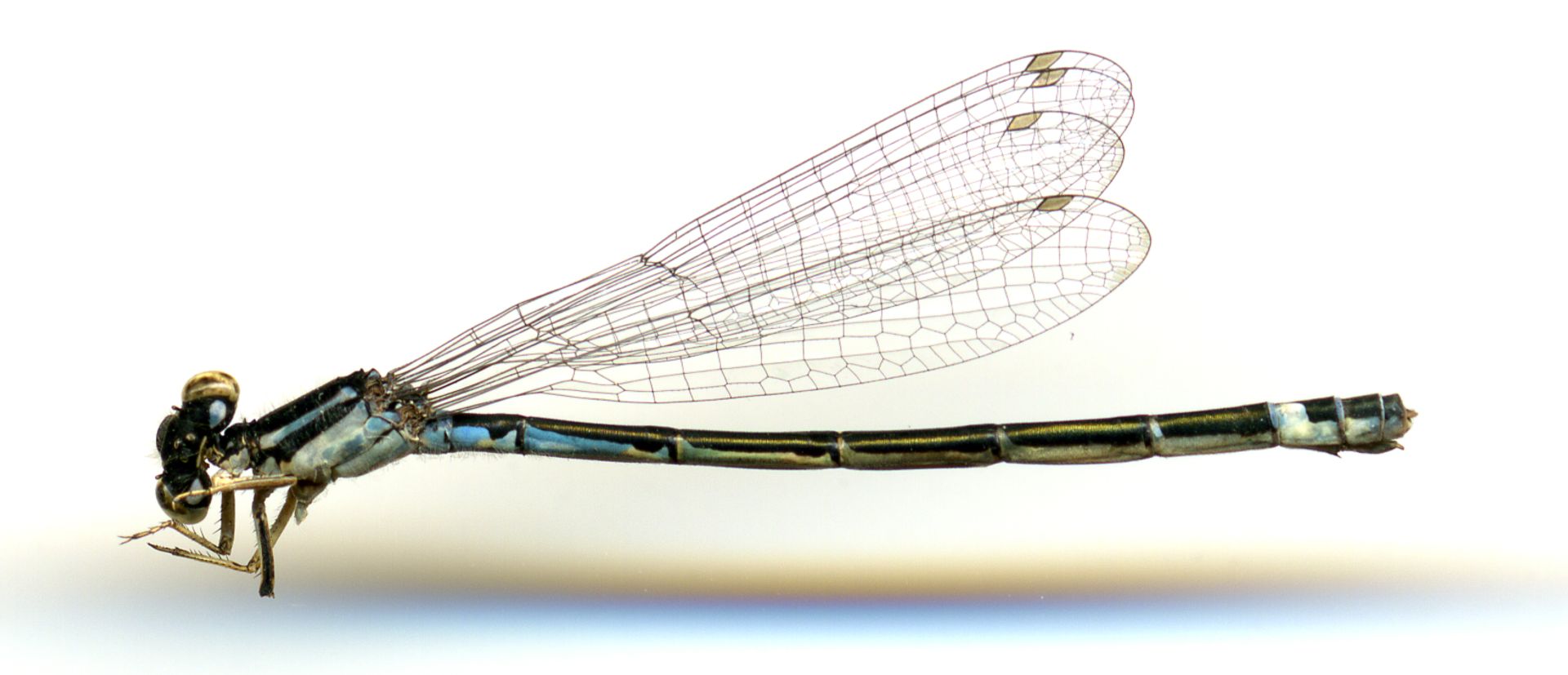
Enallagma recurvatum is a small to the United States. It inhabits freshwater lakes, particularly in pine barrens and similar sandy, acidic lake systems. The is considered threatened due to loss from development, water quality degradation, and shoreline alteration. Its restricted range and specialized habitat requirements make it vulnerable to environmental changes.

Pronunciation
How to pronounce Enallagma recurvatum: /ɛnəˈlæɡmə rɪˈkɜrvətəm/
These audio files are automatically generated. While they are not always 100% accurate, they are a good starting point.
Images
Habitat
Freshwater lakes, particularly those in pine barrens with sandy, acidic substrates. Associated with clear, oligotrophic lakes having emergent vegetation along shorelines.
Distribution
to the United States. Found in the eastern and southeastern regions, with records from New Jersey pine barrens southward. Distribution records indicate presence in North America.
Human Relevance
Subject to conservation concern due to threatened status from loss. Habitat degradation from shoreline development, nutrient pollution, and water level fluctuations pose risks to .
Similar Taxa
- Enallagma civileBoth are small blue in the Enallagma found in North American freshwater . E. civile is a widespread , while E. recurvatum has a more restricted range and specialized lake habitat requirements.
- Enallagma hageniAnother Enallagma with overlapping geographic range. E. recurvatum can be distinguished by its more slender build and preference for acidic, sandy-bottomed lakes characteristic of pine barrens.
Sources and further reading
- BugGuide
- Wikipedia
- GBIF taxonomy match
- iNaturalist taxon
- NCBI Taxonomy
- Catalogue of Life
- Dragonfly Enthusiasts, Unite! Open House Set Nov. 6 at Bohart Museum | Bug Squad
- Know Your Dragonflies! | Bug Squad
- Dragonflies! Who Isn't Fascinated by Dragonflies? | Bug Squad
- Bohart Museum Open House: Dragonflies Rule! | Bug Squad
- Hooray for the red, white, and blue! Milkweed longhorned beetle, Tetraopes tetraophthalmus; dogbane tiger moth, Cycnia tenera; and familiar bluet, Enallagma civile — Bug of the Week
- Rising Temperatures Could Stunt Growth, Threaten Survival of Common Damselfly