
Hadenini
Guenée, 1937
cutworm moths, dart moths
Genus Guides
25Hadenini is a tribe of within the Noctuidae, commonly known as cutworms or dart moths. The tribe comprises over 140 and approximately 1,000 described distributed worldwide. Hadenini was historically classified within the Hadeninae, but following taxonomic revision, both were transferred to Noctuinae. The tribe includes economically significant species whose larvae are climbing cutworms that feed on woody shrubs and herbaceous plants.

Pronunciation
How to pronounce Hadenini: //hædəˈnaɪnaɪ//
These audio files are automatically generated. While they are not always 100% accurate, they are a good starting point.
Identification
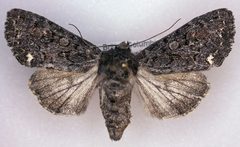
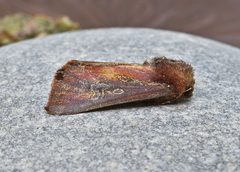
Hadenini are distinguished from related tribes in Noctuinae by a combination of wing venation patterns and genitalic structures. Many species exhibit dull, cryptic coloration in shades of brown, gray, or black, though some display more distinct markings such as the flame-shaped forewing marks characteristic of certain like Admetovis. typically have stout bodies and broad forewings that fold over the at rest. Larvae are smooth-bodied cutworms with five pairs of , differing from armyworms (Mythimnini) which have reduced proleg structure.
Images
Habitat
Hadenini occupy diverse terrestrial ranging from lowland forests to high-elevation mountain environments. Some species are associated with disturbed agricultural and urban areas, while others inhabit pristine natural vegetation. Larval habitats include soil surfaces, leaf litter, and herbaceous vegetation where feeding occurs.
Distribution
Worldwide distribution across all continents except Antarctica. occur across North America from Alaska to Panama, throughout Eurasia, Africa, Australia, and New Zealand. High-elevation species have been documented in the Rocky Mountains of western North America and similar montane regions globally.
Diet
Larvae are climbing cutworms that feed on herbaceous plants and woody shrubs. Specific plant associations vary by and ; some are feeders while others exhibit narrower host ranges. of most species do not feed, though some may take nectar or other liquids.
Ecological Role
Larvae function as primary consumers in terrestrial , converting plant to animal tissue. As cutworms, they contribute to nutrient cycling through herbivory and soil disturbance. serve as prey for including bats, birds, and other arthropods. Some are significant agricultural pests, affecting crop productivity and influencing plant composition in managed landscapes.
Human Relevance
Several Hadenini are economically important agricultural pests, with larval cutworms damaging field crops, vegetables, and ornamental plants. The tribe's widespread distribution and make it significant for biodiversity monitoring and ecological research. Taxonomic revisions within Hadenini have contributed to broader understanding of Noctuidae and classification.
Similar Taxa
- NoctuiniBoth are tribes within Noctuinae with similar and larval habits; distinguished by differences in male genitalia structure and tympanal organ arrangement.
- OrthosiiniFormerly classified together in Hadeninae, now both transferred to Noctuinae; Orthosiini often show more pronounced seasonal patterns and different wing pattern elements.
- XyleniniClosely related tribe in Noctuinae with overlapping geographic ranges; Xylenini typically includes more with autumn activity and distinct forewing pattern configurations.