
Noctuini
owlet moths
Tribe Guides
2Noctuini is a tribe of owlet moths within the Noctuinae of the Noctuidae. It contains at least 520 described . The tribe includes the Protogygia, a group of 17 species distributed across the American West from Mexico to southern Canada, primarily in the Great Plains, Intermountain, and inland West Coast regions.

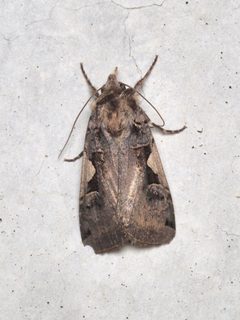
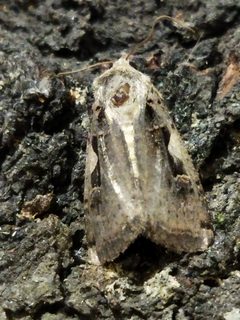
Pronunciation
How to pronounce Noctuini: /nɒkˈtjuːaɪnaɪ/
These audio files are automatically generated. While they are not always 100% accurate, they are a good starting point.
Images
Habitat
Highly variable across the tribe. The Protogygia includes specialized for arid active sands , such as high-desert sand dunes and coppice dunes surrounding sandstone formations.
Distribution
Widespread globally with at least 520 . The Protogygia occurs in the American West from Mexico to southern Canada, concentrated in the Great Plains, Intermountain, and inland West Coast regions.
Seasonality
In Protogygia, fly during early May with brief periods. Seasonality varies widely across other Noctuini .
Life Cycle
Early stages unknown for many . In Protogygia, larvae may burrow in sand, though this remains unconfirmed.
Behavior
In Protogygia pryorensis, have been observed flying after midnight and are not attracted to bright mercury vapor light, as all specimens were collected in traps rather than at light sheets. period is brief and early in the season.
More Details
Taxonomic note
Noctuini is a large and taxonomically complex tribe. -level is poorly known for most members; detailed natural history information exists primarily for a few well-studied such as Protogygia.