
Protogygia
McDunnough, 1929
Species Guides
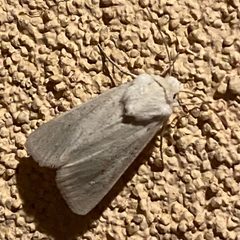
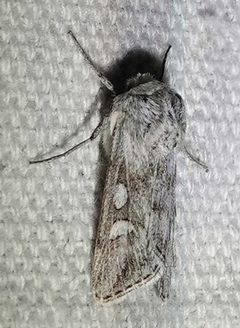
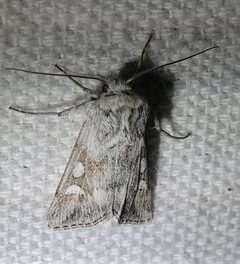
12Protogygia is a of noctuid described by McDunnough in 1929, comprising approximately 17 described distributed primarily in western North America. The genus is characterized by medium-sized with distinctive wing patterning and is associated with arid and semi-arid , particularly active sand dune systems. Species identification relies heavily on male genitalia , with several species groups recognized based on structural features of the uncus and clasper. The genus includes recently described species, reflecting ongoing taxonomic refinement in this cryptic group.
Pronunciation
How to pronounce Protogygia: /ˌproʊtəˈdʒaɪɡiə/
These audio files are automatically generated. While they are not always 100% accurate, they are a good starting point.
Identification
-level identification within Protogygia typically requires examination of male genitalia, particularly the structure of the uncus and clasper. The album-group species share a cylindrical uncus with hook and teardrop-shaped clasper. Superficial wing characters include forewing length 12.5–15.0 mm, cream-filled oval and crescentic spots, and sharply dentate postmedial line in some species. Gray hindwing with white fringe occurs in several species. Thoracic structure provides additional diagnostic characters.
Images
Habitat
Primarily associated with arid and semi-arid environments, including active sand dune systems, high-desert landscapes, and sparsely vegetated foothills. Documented vegetation associations include limber pine, Utah juniper, big sage, green rabbitbrush, currant, skunkbush sumac, and various forbs including Phlox, Cryptantha, desert dandelion, Streptanthella, and prickly pear cactus. Substrates include Cretaceous formation sands with less than 13 cm rainfall.
Distribution
Western North America, with documented occurrence in Montana, Wyoming, and surrounding regions of the western Great Plains. Some appear restricted to specific localities; for example, P. pryorensis is known only from Petroglyph Canyon Natural Area in southern Carbon County, Montana, with potential range extension into Wyoming. Distribution patterns suggest association with unglaciated, xeric mountain systems and active sand .
Seasonality
period concentrated in spring; P. pryorensis documented flying May 6–9 only. Seasonal restriction to brief early-season windows appears typical, with no specimens collected in late May or June at type locality.
Life Cycle
Early stages remain unknown for most . Larval undocumented; speculative association with sand-burrowing based on related Copablepharon. No rearing records published.
Behavior
. collected exclusively in light traps with UV lights; absence from illuminated sheet collections suggests activity after midnight or differential attraction to light intensity. No activity documented.
Similar Taxa
- CopablepharonRelated within Noctuini with similar sand-dune associations; Protogygia distinguished by male genitalia structure and wing pattern elements
- EuxoaLarge noctuine with overlapping distribution; Protogygia typically distinguished by combination of genitalic and specific wing pattern characters including and spot structure
More Details
Taxonomic history
established by McDunnough in 1929. Multiple described by Troubridge & Lafontaine (2004), Fauske & Lafontaine (2004), and Lafontaine (2004), indicating recent taxonomic activity. P. pryorensis described 2023 by Crabo & Kirst. Synonymy includes P. querula (syn: P. epipsilioides).
Conservation implications
P. pryorensis potentially represents isolated relict restricted to unglaciated xeric patch; restricted distribution and specialized sand-dune habitat suggest vulnerability to habitat disturbance.