
Protogygia pectinata
Lafontaine, 2004
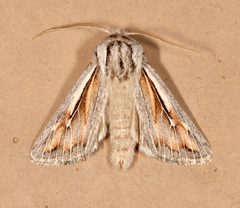
Protogygia pectinata is a noctuid described by Lafontaine in 2004. It is known exclusively from White Sands National Park in Otero County, New Mexico, where it inhabits the distinctive gypsum dune . The name 'pectinata' refers to comb-like structures, likely describing a diagnostic morphological feature of the moth. Very few observations exist, reflecting either genuine rarity or limited survey effort in this restricted .
Pronunciation
How to pronounce Protogygia pectinata: /ˌproʊtoʊˈdʒaɪdʒiə ˌpɛkˈtaɪnətə/
These audio files are automatically generated. While they are not always 100% accurate, they are a good starting point.
Identification
The specific epithet 'pectinata' (Latin for 'comb-bearing') suggests the presence of comb-like structures, most likely on the male or genitalia, that distinguish this from . As a member of Protogygia, it likely exhibits the reduced or modified wing patterns associated with this of desert-adapted noctuids. Definitive identification requires examination of genitalic characters per Lafontaine's original description.
Images
Habitat
White gypsum sand dunes. The has been documented exclusively within White Sands National Park, where it occurs in the stark white gypsum dune field characterized by sparse vegetation and high surface reflectance.
Distribution
to White Sands National Park, Otero County, New Mexico, USA. No records exist from outside this single locality.
Human Relevance
Named as one of two new noctuid documented during lepidopteran surveys of White Sands National Monument (now National Park), contributing to the documented biodiversity of this protected area. No economic or agricultural significance is known.
Similar Taxa
- Protogygia biclavisCongeneric also described from western North American desert systems; distinguished by male genitalic and antennal structure
- Protogygia polingiAnother Protogygia with reduced wing patterning; separation requires detailed examination of genitalia and antennal pectinations per Lafontaine's revision
More Details
Type locality
and collected at White Sands National Monument, Otero County, New Mexico. The specific epithet refers to the pectinate (comb-like) male , a diagnostic character distinguishing it from related .
Conservation status
Not formally assessed. Restricted range within a single protected area suggests potential vulnerability, though the is fully contained within White Sands National Park.