
Protogygia biclavis
Grote, 1879
Protogygia biclavis is a noctuid described by Grote in 1879. It is strongly associated with gypsum dune , particularly the White Sands National Monument in New Mexico, and has been recorded from additional arid regions in California, Utah, and Arizona. The exhibits local to white gypsum sand environments.
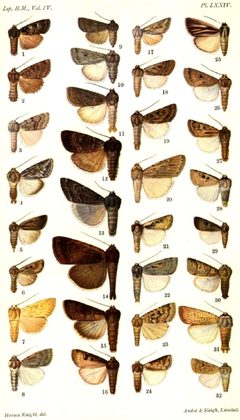
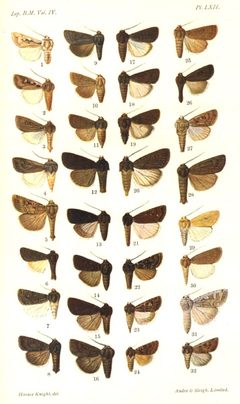
Pronunciation
How to pronounce Protogygia biclavis: /ˌproʊtoʊˈdʒaɪdʒiə baɪˈkleɪvɪs/
These audio files are automatically generated. While they are not always 100% accurate, they are a good starting point.
Identification
Distinguished from other Protogygia by genitalia ; external identification requires examination of wing pattern details and comparison with . are and attracted to light.
Images
Habitat
Gypsum dune systems and adjacent arid scrub; strongly associated with white gypsum sand formations.
Distribution
United States: New Mexico (White Sands National Monument, Otero County), California, Utah, and Arizona.
Behavior
; are attracted to light sources.
Human Relevance
Serves as an for gypsum dune health and contributes to the unique biodiversity documented at White Sands National Monument.
Similar Taxa
- Protogygia whitesandsensisSympatric in the White Sands gypsum dune system; distinguished by genitalia and subtle wing pattern differences
- Protogygia posteraOverlapping distribution in western North America; requires genital dissection for reliable separation