
Dichomeris
Hübner, 1818
Species Guides
51- Dichomeris acuminatus(Alfalfa Leaf Tier)
- Dichomeris aglaia
- Dichomeris agonia
- Dichomeris aleatrix(buffy dichomeris moth)
- Dichomeris barnesiella
- Dichomeris bilobella(Bilobed Dichomeris Moth)
- Dichomeris bipunctellus
- Dichomeris bolize(Glaser's dichomeris moth)
- Dichomeris citrifoliella(orange webworm moth)
Dichomeris is a large of small in the Gelechiidae, erected by Jacob Hübner in 1818. The genus contains hundreds of distributed globally, with particularly high diversity in tropical and subtropical regions. Larvae of many species are leaf-folders, constructing silk shelters on plants for protection while feeding. Some species are economically significant agricultural pests, including D. famulata, which infests sorghum panicles in South America.
Pronunciation
How to pronounce Dichomeris: /daɪˈkoʊməˌrɪs/
These audio files are automatically generated. While they are not always 100% accurate, they are a good starting point.
Identification
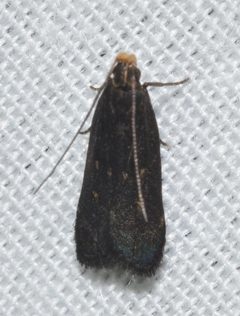
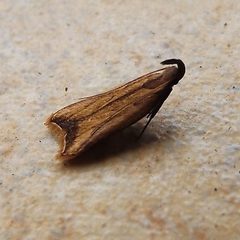
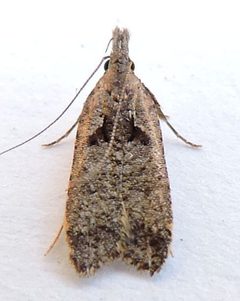
are small gelechiid moths, generally with narrow, elongated wings and relatively plain coloration in shades of brown, gray, or ochre. -level identification requires examination of genitalia and subtle wing pattern differences. The is distinguished from similar gelechiid genera by a combination of wing venation and genitalic characters, though definitive identification often requires taxonomic resources.
Images
Habitat
vary by , ranging from temperate grasslands and forests to tropical agricultural systems. Many species are associated with herbaceous plants, particularly Asteraceae (goldenrods) and Poaceae (grasses). D. famulata occurs in sorghum fields in the Valle del Cauca, Colombia, at approximately 1000 m elevation with temperatures around 24°C.
Distribution
distribution with records from North America, South America, Europe, Asia, and Africa. GBIF records include Denmark, Norway, Sweden, and the United States (Vermont). High in East Asia, with numerous described from China, Japan, and Taiwan.
Diet
Larvae feed on diverse plants. D. leuconotella and related feed on goldenrods (Solidago spp.). D. famulata feeds on sorghum panicles (Sorghum bicolor) and has been recorded on maize (Zea mays) and Amaranthus dubius. Specific host associations vary considerably among species.
Host Associations
- Solidago - plantgoldenrods; larval food plant for D. leuconotella and other
- Sorghum bicolor - plantsorghum panicles; primary of D. famulata in Colombia
- Zea mays - plantmaize; alternative for D. famulata in Brazil and Colombia
- Amaranthus dubius - plantrecorded as for D. famulata
Life Cycle
D. famulata completes , larval, pupal, and stages. Under laboratory conditions at 24°C: egg stage lasts 4 days; larva 21.3 days with five instars; pupa 6 days; adult lifespan 38–42 days. Female D. famulata oviposits an average of 129 eggs over 13 days, with peak oviposition on days 5–6. Leaf-folding construct silk shelters during larval development.
Behavior
Larvae of many exhibit leaf-folding , using silk to fold or roll leaves into shelters that provide favorable microclimates and protection from . In D. leuconotella, disturbed caterpillars that rebuild shelters select younger, greener leaves, which may improve growth rates. Frequent shelter relocation increases risk of dislodgment or wandering. are and likely attracted to light.
Ecological Role
Herbivores that modify plant tissue through leaf-folding, potentially affecting plant growth and tissue allocation. Serve as prey for including Apsylophrys sp. (Encyrtidae) and Trichogramma pretiosum, which parasitize , and such as Chrysopa sp. rileyi has been recorded infecting larvae.
Human Relevance
Some are agricultural pests. D. famulata is a significant pest of sorghum in Colombia, causing damage to panicles and requiring management. D. ligulella and related species occasionally damage cultivated plants. The has been studied as a model for understanding herbivore-plant interactions and the evolution of shelter-building .
Similar Taxa
- AcanthophilaOften treated as a valid but historically grouped with Dichomeris; separated based on genitalic and wing venation characters
- HelcystogrammaSimilar gelechiid leaf-folders; distinguished by wing pattern and male genitalia structure
- AnarsiaAnother gelechiid with leaf-folding larvae; differ in wing shape and pattern
More Details
Taxonomic complexity
Dichomeris is one of the largest in Gelechiidae, with hundreds of described and ongoing taxonomic revisions. Many species were described by Edward Meyrick in the early 20th century based on limited material. Species groups (e.g., ligulella, marginella, setosella groups) have been proposed based on morphological similarities, but phylogenetic relationships remain incompletely resolved.
Research significance
The serves as an important study system for behavioral , particularly regarding the costs and benefits of leaf-folding . Research on Dichomeris caterpillars has demonstrated that shelter-building involves trade-offs between growth optimization and avoidance, with unexpected findings that more frequent shelter changes can improve growth rates by allowing selection of higher-quality leaf tissue.
Sources and further reading
- BugGuide
- Wikipedia
- GBIF taxonomy match
- iNaturalist taxon
- NCBI Taxonomy
- Catalogue of Life
- Adaptive trade‐offs of leaf folding in Dichomeris caterpillars on goldenrods
- Host plant and habitat effects on behavior, survival, and growth of early instar Dichomeris leuconotella (Lepidoptera: Gelechiidae), leaf-folders on goldenrods
- Ciclo de Vida, Habitos Y Enemigos Naturales de Dichomeris Famulata Meyrick(Lepidoptera: Gelechiidae), Plaga de la Panoja de Sorgo En El Valle Del Cauca
- Record of New Species of Parasitoids on Larvae of Spodoptera frugiperda (J. E. Smith) (Lepidoptera: Noctuidae) and Dichomeris famulata Meyrick (Lepidoptera: Gelechiidae) in Maize (Zea mays L.) in Brazil