
Dichomeridinae
Genus Guides
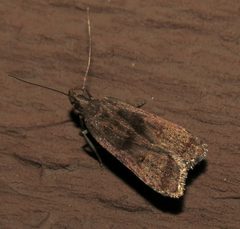
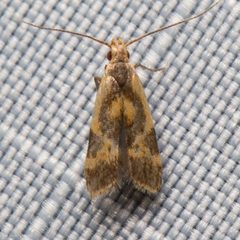
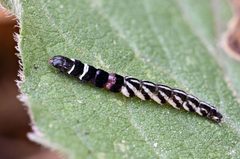
3Dichomeridinae is a of small within the Gelechiidae, part of the superfamily Gelechioidea. The subfamily contains numerous , many of which are poorly documented in terms of their . Larvae of some species have been reared from plant , though host associations remain incompletely known across the subfamily. are generally small with narrow wings, typical of gelechiid moths.
Pronunciation
How to pronounce Dichomeridinae: //daɪˌkɒməˈrɪdəni//
These audio files are automatically generated. While they are not always 100% accurate, they are a good starting point.
Identification
Members of Dichomeridinae can be distinguished from other Gelechiidae by genitalic characters, particularly male valvae structure and female signum . External morphology alone is often insufficient for reliable identification to subfamily level; dissection and examination of genitalia are typically required. The subfamily lacks the distinctive wing pattern elements that characterize some related subfamilies such as Anomologinae.
Images
Distribution
The has a worldwide distribution, with recorded across multiple continents. Specific range limits for the subfamily as a whole are not well documented in available sources.
Similar Taxa
- GelechiinaeOverlaps in external ; distinguished by genitalic characters including valvae and structure
- AnomologinaeSimilar size and general appearance; Anomologinae often show more distinct wing patterning, while Dichomeridinae typically require genitalic examination for reliable separation
More Details
Taxonomic note
The Dichomeridinae was established based on morphological characters, primarily of the genitalia. Modern molecular has questioned some traditional subfamily boundaries within Gelechiidae, though Dichomeridinae remains a recognized grouping in current classifications. The Catalogue of Life and NCBI both list Dichomeridinae as an accepted subfamily within Gelechiidae.