
Dichomeris aleatrix
Hodges, 1986
buffy dichomeris moth, buffy dichomeris
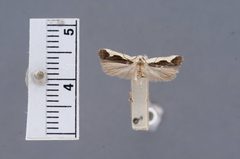
Dichomeris aleatrix is a small gelechiid described by Ronald W. Hodges in 1986. The occurs in eastern North America from southern Ontario through the Midwest to Tennessee. are active primarily in spring and summer, with larvae feeding on specific sunflower species (Helianthus).

Pronunciation
How to pronounce Dichomeris aleatrix: /dɪˈkoʊmɛrɪs æliˈeɪtrɪks/
These audio files are automatically generated. While they are not always 100% accurate, they are a good starting point.
Identification
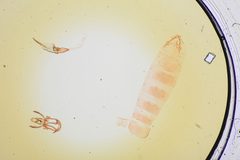
The combination of small size (9 mm forewing), buff coloration, and specific geographic range in the eastern Midwest helps distinguish this from . Accurate identification likely requires examination of genitalia or molecular analysis, as many Dichomeris species are morphologically similar.
Images
Appearance
Small with forewings approximately 9 mm in length. The epithet "aleatrix" (Latin for "buff-colored") suggests pale or yellowish-brown wing coloration typical of the .
Habitat
Associated with open supporting plants, including prairies, meadows, and disturbed areas where Helianthus occur.
Distribution
Eastern North America: southern Ontario (Canada), Illinois, and south to Tennessee (USA). Distribution records from GBIF confirm presence in Canada and United States.
Seasonality
recorded on wing April through July, with additional records in September. or partial second possible.
Diet
Larvae feed on Helianthus hirsutus (hairy sunflower) and Helianthus rigidus (stiff sunflower). feeding habits unknown.
Host Associations
- Helianthus hirsutus - larval food plantHairy sunflower
- Helianthus rigidus - larval food plantStiff sunflower
Life Cycle
Complete with , larva, pupa, and stages. Larval stage feeds internally or externally on sunflower tissues. Specific site unknown.
Ecological Role
Herbivore specializing on native Helianthus ; may serve as prey for and other .
Human Relevance
No significant economic or agricultural impact; of interest to lepidopterists and conservation biologists monitoring prairie .
Similar Taxa
- Other Dichomeris speciesMany share similar size, coloration, and wing patterns; require genitalia dissection or for reliable separation.
- Helianthus-associated gelechiidsOther Gelechiidae feed on Asteraceae; plant specificity and geographic range help distinguish D. aleatrix.
More Details
Taxonomic history
Described relatively recently (1986) by Ronald W. Hodges, a leading authority on North American Gelechioidea. The late description suggests it may have been confused with similar prior to formal recognition.
Conservation status
Not formally assessed; limited observation records (12 on iNaturalist as of source date) may reflect genuine rarity, cryptic habits, or under-sampling of prairie .