Dichomeris bolize
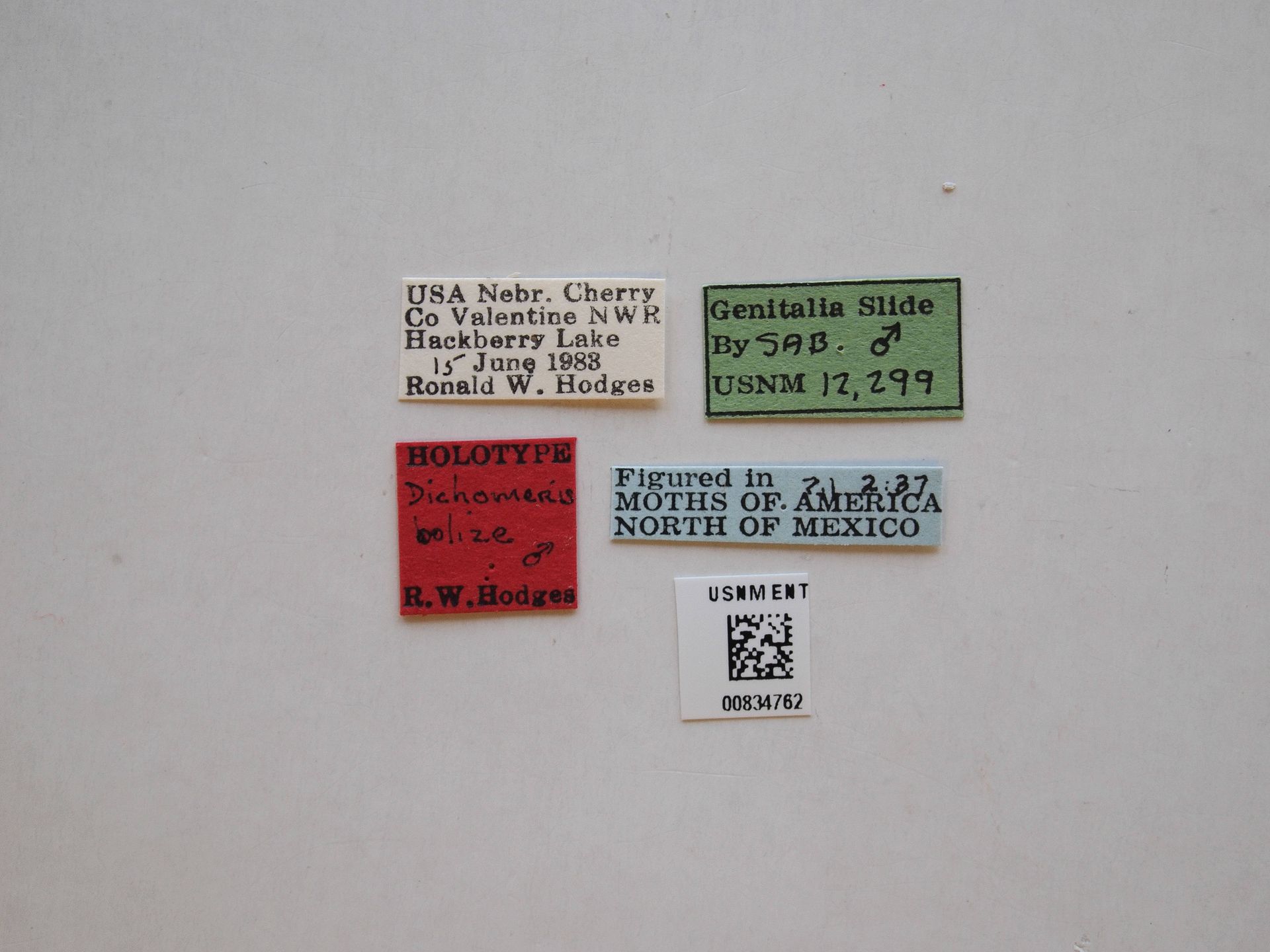
Hodges, 1986
Glaser's dichomeris moth
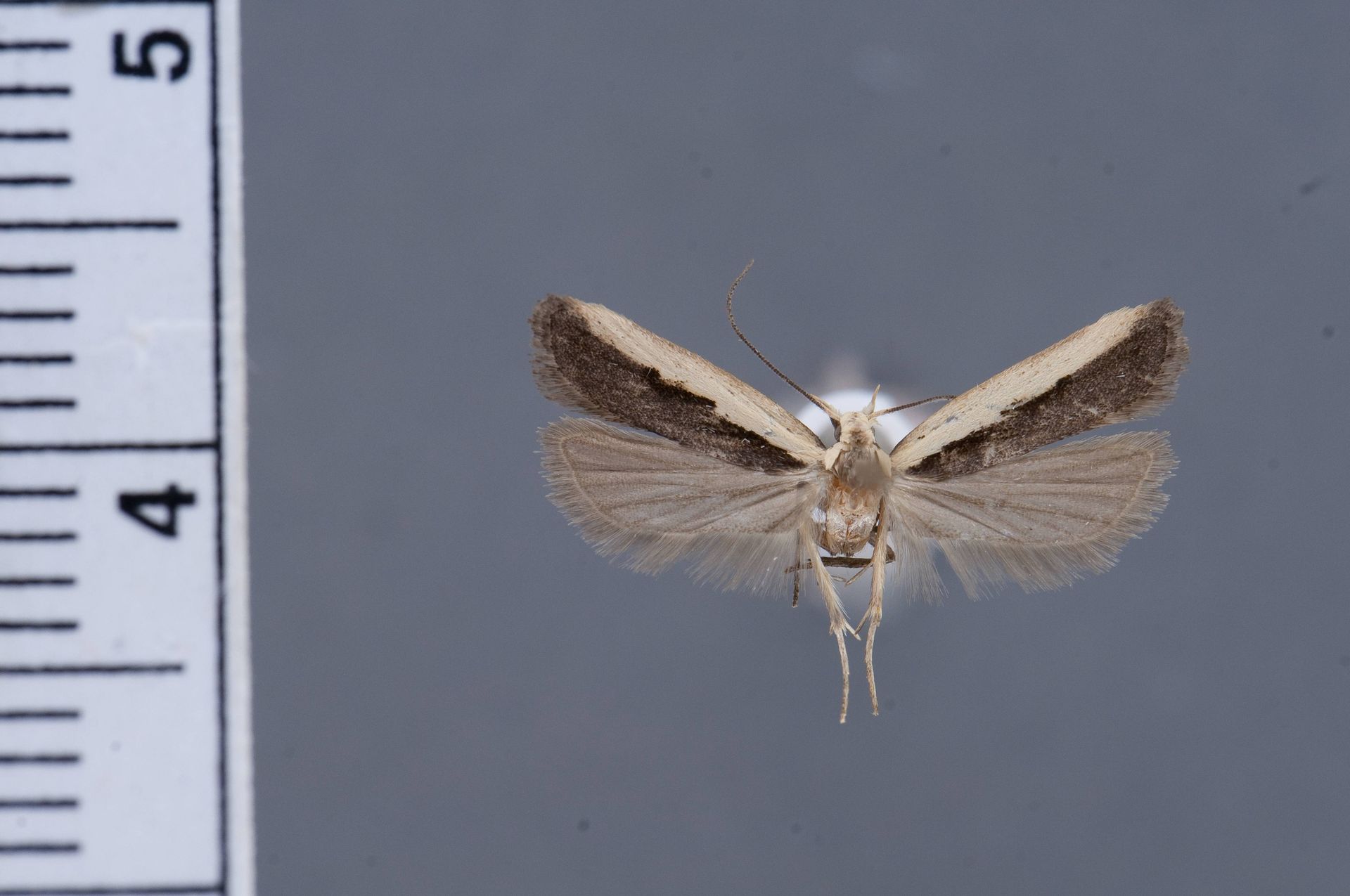
Dichomeris bolize is a small gelechiid described by Ronald W. Hodges in 1986. It occurs across a broad swath of the eastern and central United States, from New England to Texas. are active from early spring through autumn, with larvae specializing on flowers of Brassica .
Pronunciation
How to pronounce Dichomeris bolize: /dɪˈkɒmərɪs ˈboʊlaɪz/
These audio files are automatically generated. While they are not always 100% accurate, they are a good starting point.
Identification
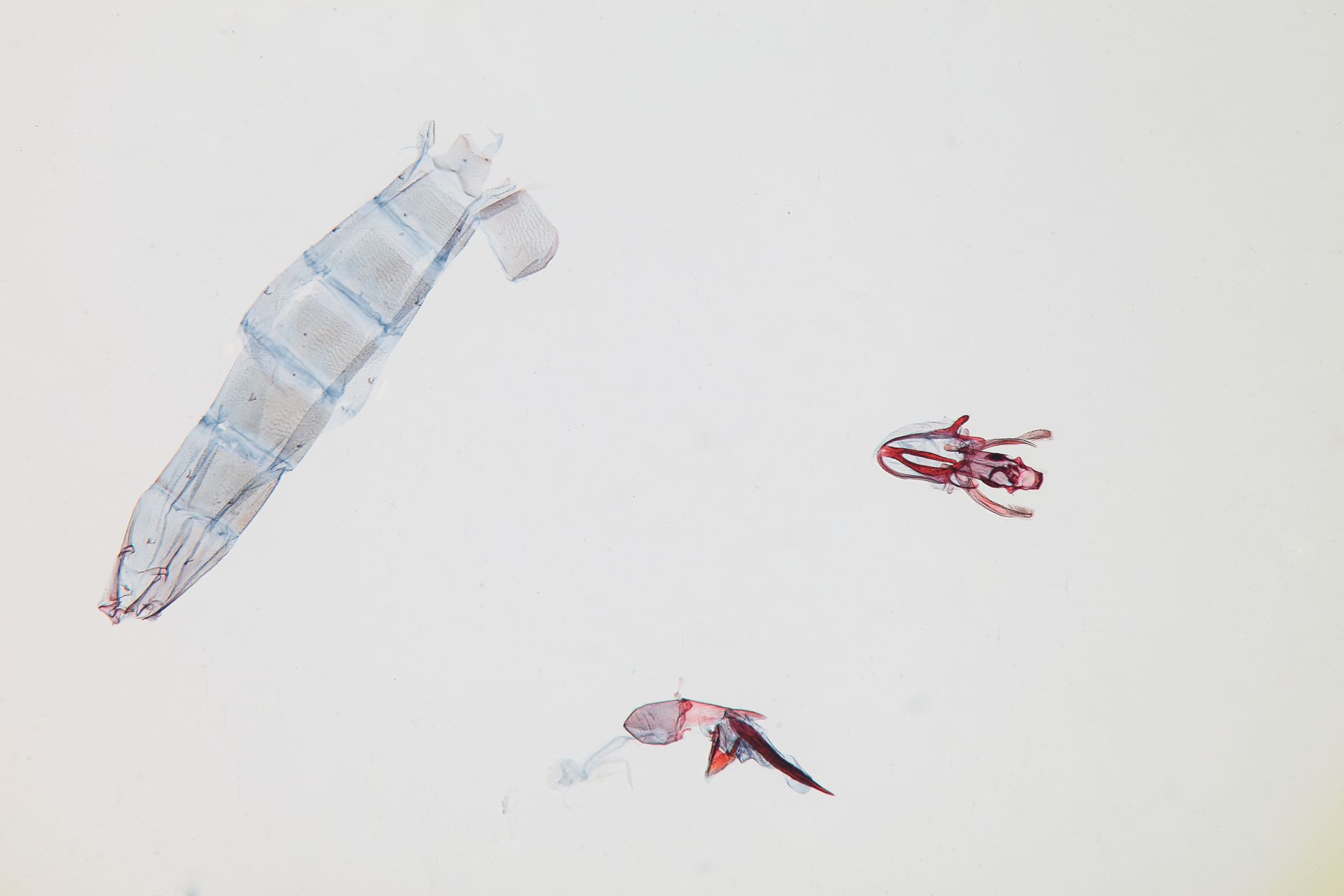
Distinguished from by a combination of genitalia and geographic distribution. Specific external diagnostic features for field identification have not been documented in available sources.
Images
Distribution
United States: recorded from Nebraska, Connecticut, Florida, Maryland, Massachusetts, New Jersey, New York, North Carolina, and Texas.
Seasonality
active March through October.
Diet
Larvae feed on flowers of Brassica .
Host Associations
- Brassica - larval food plantflowers specifically
Human Relevance
Potential minor pest of Brassica crops through larval feeding on flowers.
Similar Taxa
- Other Dichomeris species contains numerous small, similar-looking gelechiid moths requiring genitalia examination for definitive identification.
More Details
Taxonomic history
The epithet 'bolize' honors Dr. John B. Glaser, though the specific etymology is not explicitly documented in the original description.