
Antaeotricha
Zeller, 1854
Species Guides
17Antaeotricha is a large of in the Depressariidae, containing over 400 described in the Western Hemisphere. It represents the largest genus within the Stenomatinae. Species in this genus are primarily Neotropical in distribution, with many exhibiting specialized associations such as dry sandhills and scrub vegetation. The genus was established by Zeller in 1854 and has undergone significant taxonomic revision, with numerous species described in recent years.
Pronunciation
How to pronounce Antaeotricha: /ˌæntioʊˈtraɪkə/
These audio files are automatically generated. While they are not always 100% accurate, they are a good starting point.
Identification
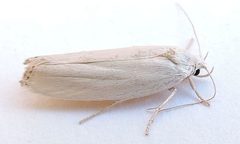
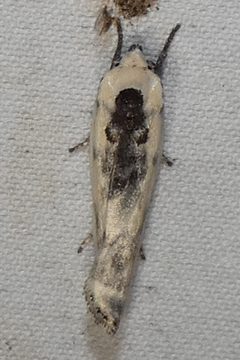
Identification of Antaeotricha typically requires examination of genitalia and detailed wing pattern analysis. Many species display pale or white forewings with varying degrees of dark spotting or coloration. The is distinguished from related stenomatine genera by a combination of wing venation patterns and genitalic structure. Species-level identification often relies on subtle differences in wing pattern, including the presence or absence of black spots on the forewings and the coloration of hindwings.
Images
Habitat
within Antaeotricha occupy diverse across the Neotropics, ranging from tropical forests to specialized xeric environments. Antaeotricha floridella is known exclusively from dry sandhills and scrub vegetation in peninsular Florida, demonstrating the 's capacity for habitat specialization. Other species have been documented in Panama, suggesting tropical forest associations. The habitat breadth across the genus remains incompletely documented due to the large number of species and limited ecological studies.
Distribution
The Antaeotricha is distributed throughout the Western Hemisphere, with its center of diversity in the Neotropics. Documented occurrences include the southern United States (Florida), Mexico, Central America (Panama), and South America. The northernmost records come from Vermont, USA. The genus exhibits high in tropical regions, with many likely having restricted geographic ranges.
Diet
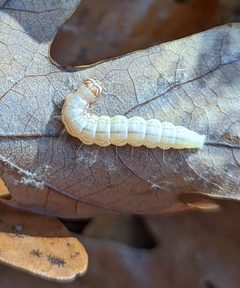
Larvae of Antaeotricha feed on plant material, with documented associations including oaks (Quercus). Antaeotricha floridella has been confirmed to feed on sand live oak (Quercus geminata), an evergreen oak native to Florida. The full range of host plant associations across the remains poorly documented, though oaks appear to be significant hosts for multiple species.
Host Associations
- Quercus geminata - larval food plantConfirmed for Antaeotricha floridella
Life Cycle
studies indicate complete with larval development, , and patterns typical of Lepidoptera. A study of an Antaeotricha in Panama documented larval development and pupation in a tropical environment, though specific details of duration and were not provided in available sources.
Ecological Role
As herbivores in their larval stages, Antaeotricha contribute to nutrient cycling and energy flow in their respective . Their specialized associations with oak species suggest potential roles in oak dynamics, particularly in xeric where some species are restricted.
Human Relevance
Antaeotricha have limited direct human relevance. The is of interest to lepidopterists and taxonomists due to its large and ongoing description of new . Antaeotricha floridella was described in 2015 based on specimens brought to scientific attention by a collector, illustrating the role of citizen science in documenting biodiversity.
Similar Taxa
- Antaeotricha albulellaSimilar pale wing coloration; distinguished by presence of one or two black spots on forewings in A. albulella versus white forewings in A. floridella, and differences in hindwing coloration
More Details
Taxonomic History
Antaeotricha was originally placed in the Oecophoridae but has been reclassified to Depressariidae based on phylogenetic studies. The has experienced substantial taxonomic activity, with counts ranging from 259 to over 400, reflecting ongoing revisions and new species descriptions.
Species Diversity
The contains the largest number of in the Stenomatinae, with many species likely remaining undescribed. High rates of are expected, particularly in specialized such as Florida sandhills.