
Stenomatinae
Meyrick, 1906
Stenomatine moths
Genus Guides
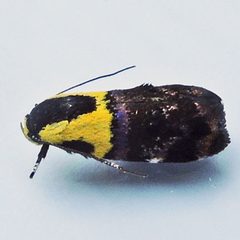
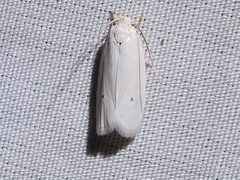
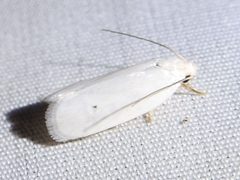
6Stenomatinae is a of small in the Depressariidae, first described by Meyrick in 1906. The subfamily includes diverse distributed primarily in tropical and subtropical regions, with notable representation in the Neotropics including the Brazilian Cerrado and Mascarene islands. Members are characterized by their small size and often inconspicuous appearance. Some have been documented with specialized plant associations, particularly with woody plants in families such as Malpighiaceae.
Pronunciation
How to pronounce Stenomatinae: /ˌstɛnəʊˈmætiˌniː/
These audio files are automatically generated. While they are not always 100% accurate, they are a good starting point.
Images
Habitat
Tropical and subtropical regions including cerrado sensu stricto in Brazil at elevations around 1,100 m; associated with seasonal climates characterized by distinct wet and dry seasons. Some occupy dry sandhill and scrub in peninsular Florida.
Distribution
Tropical America ( Gonioterma); Brazilian Cerrado, Distrito Federal, Brazil; Mascarene islands (Réunion, Mauritius); peninsular Florida, USA; Panama.
Seasonality
Peak abundance of caterpillars observed during wet season (October-April in Brazilian Cerrado), correlating with mature leaf availability of plants.
Life Cycle
Caterpillars of some construct and silk shelters on plant leaves; larval development includes distinct size categories based on shelter dimensions. Leaf expansion in host plants takes approximately 50 days. and patterns have been documented in some species.
Behavior
Caterpillar abundance positively correlated with mature leaf availability; seasonal synchrony with plant observed.
Ecological Role
Herbivore; contributes to specialized herbivore fauna on plants such as Malpighiaceae in Cerrado ; participates in plant-herbivore interaction dynamics.
Sources and further reading
- BugGuide
- Wikipedia
- iNaturalist taxon
- NCBI Taxonomy
- Catalogue of Life
- Uncategorized | Blog - Part 8
- Life History of Antaeotricha Sp.(Lepidoptera: Oecophoridae: Stenomatinae) in Panama
- Review of the Genus Orygocera Walsingham, 1897 from the Mascarenes with description of a new species (Lepidoptera: Depressariidae, Stenomatinae)
- Abundance and temporal distribution of Gonioterma exquisita Duckworth (Lepidoptera, Elachistidae, Stenomatinae) on Byrsonima pachyphylla Griseb. (Malpighiaceae) in the Brazilian Cerrado