
Oligotrophini
Genus Guides
4Oligotrophini is a large tribe of gall midges ( Cecidomyiidae) containing over 300 described across approximately 40 . Members are small flies known for inducing galls on diverse plants. The tribe includes economically significant pests such as the Hessian fly (Mayetiola destructor) and numerous species associated with woody plants.
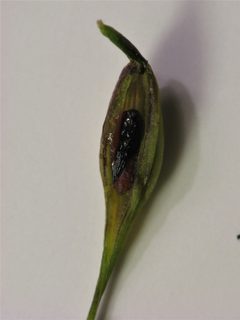
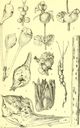
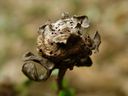
Pronunciation
How to pronounce Oligotrophini: /ˌɒlɪɡoʊˈtrɒfɪnaɪ/
These audio files are automatically generated. While they are not always 100% accurate, they are a good starting point.
Identification
Distinguishing Oligotrophini from other cecidomyiid tribes requires examination of morphological characters, particularly features of the , wing venation, and male genitalia. Many are more readily identified by their distinctive gall formations on plants than by adult alone. The tribe is characterized by reduced wing venation with few crossveins and typically 5-segmented palpi.
Images
Habitat
occur in terrestrial environments wherever their plants grow. span forests, grasslands, agricultural fields, and urban green spaces. Specific habitat associations depend on host plant distribution.
Distribution
distribution with documented across all continents except Antarctica. Particular diversity in temperate regions of the Northern Hemisphere.
Seasonality
timing varies by and latitude, generally coinciding with plant . Most temperate species show spring or summer activity peaks.
Host Associations
- Acer - gall inducermaple gall midges in Acericecis
- Celtis - gall inducerhackberry gall midges in Celticecis
- Triticum - gall inducerwheat pests including Mayetiola destructor
- Salix - gall inducerwillow gall midges in Rabdophaga
- Rosa - gall inducerrose gall midges in Dasineura
Life Cycle
Larval development occurs within plant galls. typically takes place in the soil or within the gall structure. are short-lived and do not feed.
Behavior
are weak fliers with or activity patterns. Females deposit on plant tissues, and larvae induce characteristic gall formations through chemical manipulation of plant growth. Many show high host specificity.
Ecological Role
As gall inducers, larvae modify plant tissue development, creating protected microhabitats that may support and . Some function as significant agricultural pests, while others have minimal economic impact.
Human Relevance
Mayetiola destructor (Hessian fly) is a major pest of wheat causing substantial yield losses globally. Several other affect ornamental plants and fruit crops. The tribe has been studied for potential against weeds.
Similar Taxa
- CecidomyiiniAnother large tribe of Cecidomyiidae; distinguished by differences in antennal structure and larval gall
- AsphondyliiniTribe with complex gall structures; Oligotrophini generally produce simpler, more uniform gall types
More Details
Taxonomic scope
The tribe encompasses diverse gall morphologies from simple leaf curls to complex bud galls and stem swellings. Generic boundaries have been revised substantially based on phylogenetic studies, with many transferred among .
Research significance
Oligotrophini serves as a model system for studying plant-insect interactions, gall induction mechanisms, and coevolutionary dynamics between gall midges and their .