
Walshomyia
Felt, 1908
Walshomyia is a of gall midges ( Cecidomyiidae) established by Felt in 1908. The genus comprises four described , all of which induce galls on coniferous plants. Members of this genus are associated with Cupressaceae, including junipers and cypresses. The genus is well-represented in citizen science observations, with over 3,000 records documented.
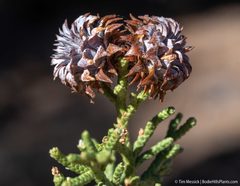
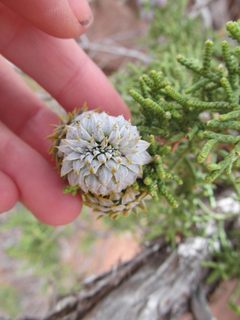
Pronunciation
How to pronounce Walshomyia: //ˌwɔːlʃoʊˈmaɪə//
These audio files are automatically generated. While they are not always 100% accurate, they are a good starting point.
Identification
Identification to requires examination of morphological features characteristic of Cecidomyiidae, including reduced wing venation, bead-like with circumfilar loops, and reduced mouthparts. -level identification within Walshomyia depends on plant association and gall : W. sabinae on junipers (Juniperus sabina), W. juniperina on junipers, W. cupressi on cypresses, and W. texana on Ashe juniper. Adult are small, delicate flies typically 2–5 mm in length. Confirmation of species identity requires examination or rearing from identified host galls.
Images
Habitat
are determined by plant distribution. occur wherever their Cupressaceae hosts grow, including arid and semi-arid regions, rocky slopes, woodlands, and planted ornamental settings. W. texana is specifically associated with Ashe juniper (Juniperus ashei) in central Texas.
Distribution
occur in North America where their respective plants are found. W. texana is documented from Texas. W. sabinae, W. juniperina, and W. cupressi have broader distributions corresponding to their juniper and cypress host ranges across North America.
Seasonality
timing corresponds with plant , generally spring through early summer when new growth is available for gall induction. Specific periods vary by and locality.
Host Associations
- Juniperus sabina - gall inducer of W. sabinae
- Juniperus - gall inducer of W. juniperina
- Cupressus - gall inducer of W. cupressi
- Juniperus ashei - gall inducer of W. texana
Life Cycle
As with other Cecidomyiidae, development includes , larva, pupa, and stages. Larvae develop within plant galls, feeding on gall tissue. occurs within the gall or in soil. Adults are short-lived and do not feed. Specific details of voltinism and stage vary by and are not fully documented.
Behavior
Larvae induce distinct galls on plant foliage or stems. Gall is -specific and serves as the primary evidence of presence. are weak fliers and likely disperse short distances to locate host plants.
Ecological Role
As gall inducers, these act as plant , redirecting plant growth to form nutritive tissue for larval development. The galls provide for and , contributing to local complexity. Their host specificity makes them potential indicators of host plant presence and health.
Human Relevance
W. texana is of note in central Texas where heavy of Ashe juniper can cause aesthetic damage and occasionally economic concern in Christmas tree plantations. The galls themselves are of minor interest to naturalists and gall enthusiasts. No are known agricultural pests of major significance.
Similar Taxa
- AsphondyliaAlso in Cecidomyiidae and induces galls, but Asphondylia typically attack flowers, fruits, or stems of diverse angiosperm rather than conifer foliage; plant and gall location distinguish the .
- DasineuraAnother large cecidomyiid with many conifer-associated ; Dasineura species often induce leaf or bud galls on conifers and require microscopic examination of genitalia and larval for definitive separation.
More Details
Etymology
The name honors Benjamin Dann Walsh (1808–1869), an early American entomologist known for his work on gall insects and agricultural pests.
Taxonomic Note
The was established by Ephraim Porter Felt in 1908. The four included were originally described across several decades and have been maintained in Walshomyia based on shared associations with Cupressaceae and morphological similarities in and larval stages.