Erotylinae
Latreille, 1802
pleasing fungus beetles
Tribe Guides
5- Dacnini
- Encaustini
- Erotylini
- Languriini(Lizard Beetles)
- Tritomini(pleasing fungus beetles)
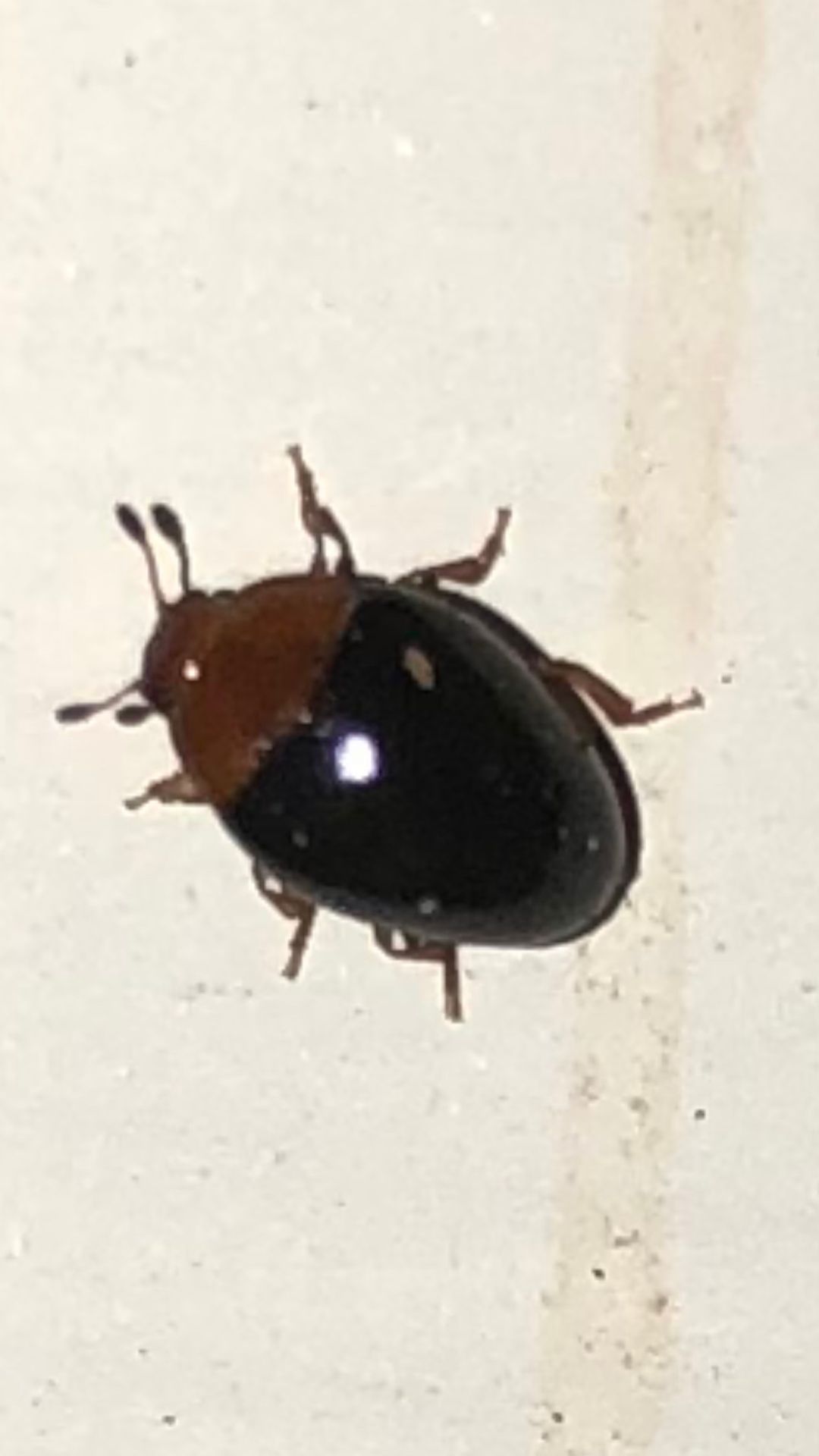
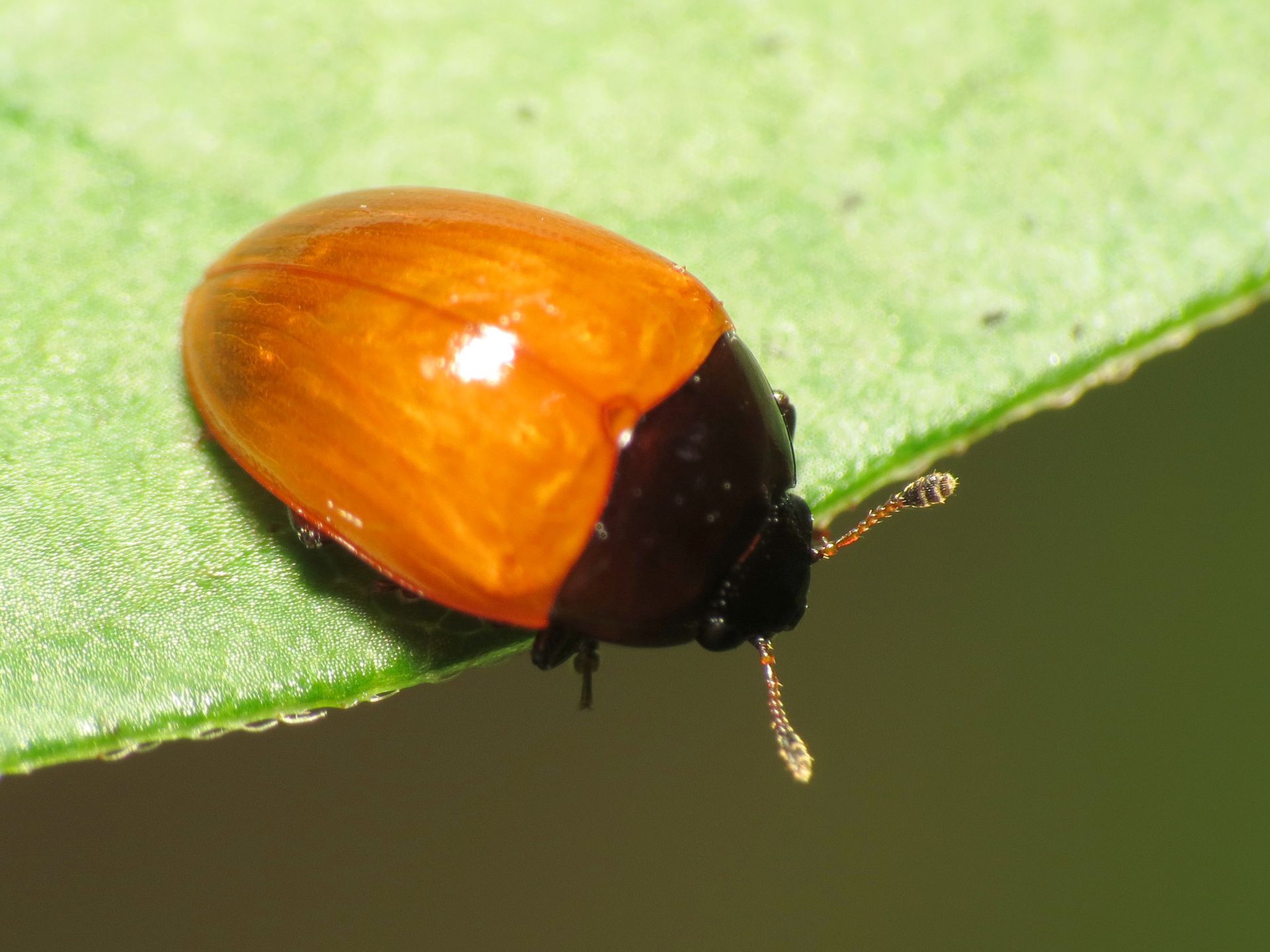
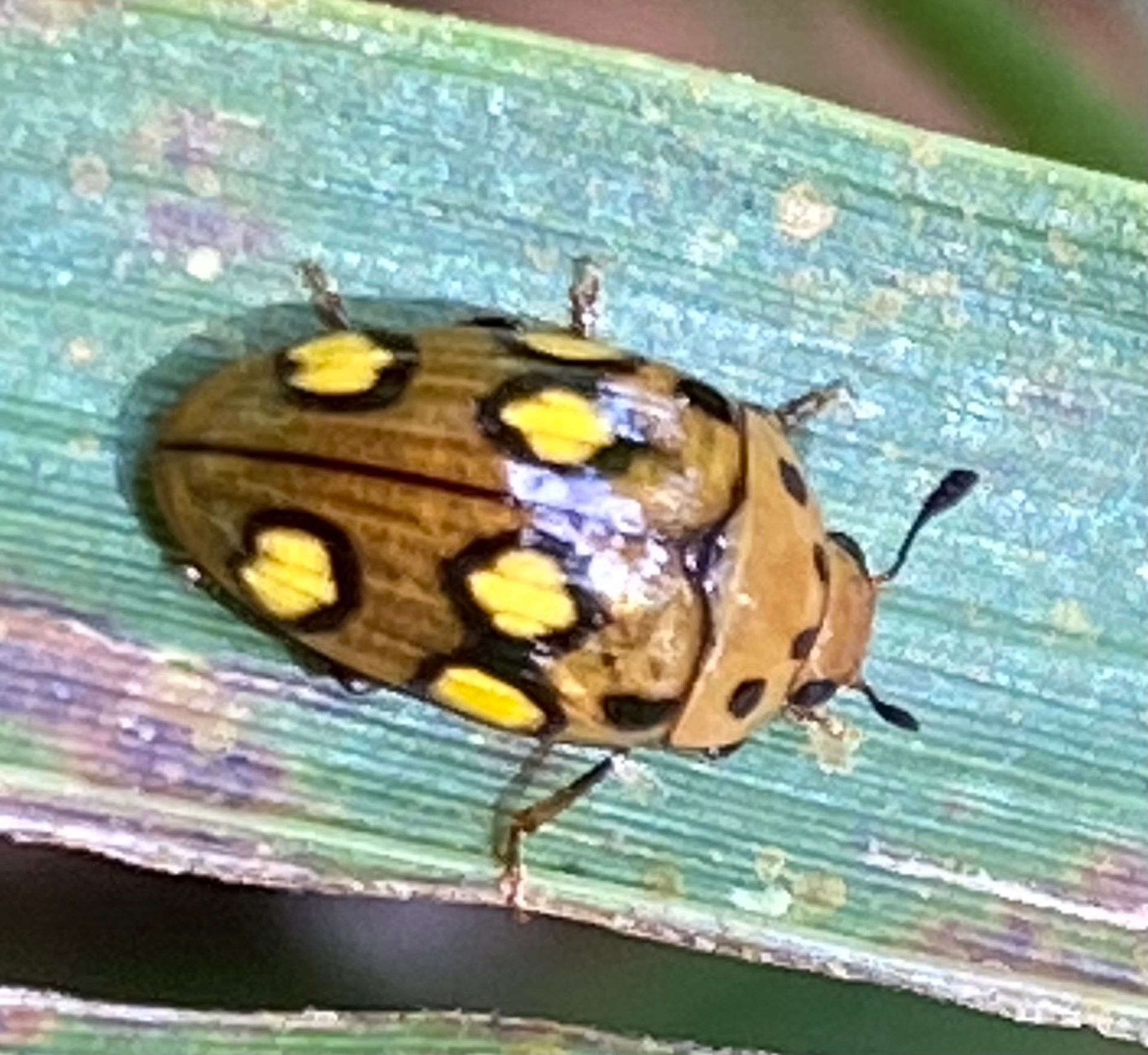
Erotylinae is a of pleasing fungus beetles in the Erotylidae. Members are typically small to medium-sized beetles with compact, often brightly colored bodies. The subfamily is characterized by the presence of exocrine compound glands across all examined , with the highest diversity in Megalodacne (up to 9 pairs). These glands are likely involved in chemical defense and possibly production. The group exhibits diverse morphological forms across approximately 27+ genera including Triplax, Dacne, Megalodacne, and Iphiclus.
Pronunciation
How to pronounce Erotylinae: //ɛˌrɒtɪˈlɪnaɪ//
These audio files are automatically generated. While they are not always 100% accurate, they are a good starting point.
Identification
Members of Erotylinae can be distinguished from other Erotylidae by the presence of exocrine compound glands, which have been documented across all examined . Gland varies from simple to complex branched structures, with complexity showing multiple independent evolutionary origins and secondary losses in some lineages. The subfamily includes genera with diverse body forms, from the small Triplax (3-5.6 mm) to larger representatives. Specific identification to genus or species level requires examination of gland structure, body proportions, and coloration patterns.
Images
Habitat
are directly associated with fungal resources. have been documented on oyster mushrooms (Pleurotus), woody shelf fungi, and other fungal fruiting bodies. The occurs in forested and woodland environments where decaying wood and fungi are present.
Distribution
Erotylinae has a global distribution with documented occurrences in: North America (eastern U.S., Canada, Arizona), South America (Brazil, Boracéia Biological Station), Asia (China including Mêdog County, Xizang; southeast Xizang), and Europe. The is represented by 14 in Mêdog County, China alone, including five species newly recorded for the country.
Diet
Mycophagy (fungus-feeding). and larvae feed on fungal fruiting bodies. Triplax thoracica has been specifically documented on oyster mushrooms (Pleurotus).
Life Cycle
Larval development includes distinct early and mature stages. In Pselaphacus procerus, early larvae are distinguished from mature larvae by the absence of sclerotized plates on the . Maternal care has been documented in the Pselaphacus. Larvae of Iphiclus abdominalis have been described, representing the first identified description for the genus.
Behavior
Gregarious has been observed, with multiple individuals congregating on fungal resources. Maternal care is documented in some (Pselaphacus). are active on fungal fruiting bodies, with observations of dozens of individuals flying in, flying out, and running about on mushroom clusters. Some carry phoretic mites that use the beetles as transport to locations where they can feed on insect or other tiny prey.
Ecological Role
Fungus-feeding (mycophagy) role in decomposition and nutrient cycling. Erotylinae beetles serve as prey for predatory beetles including rove beetles (Staphylinidae). They function as a food resource in fungal-based micro-, with documented by Platydracus maculosus and other rove beetles.
Human Relevance
Some are associated with cultivated mushrooms, with reports of in oyster mushroom . The is of interest to entomologists and naturalists for biodiversity documentation and ecological study.
Similar Taxa
- EndomychidaeBoth are fungus-feeding with similar ecological roles; Endomychidae (handsome fungus beetles) lack the exocrine compound glands characteristic of Erotylinae and typically have different body proportions and antennal structures.
- MycetophagidaeBoth feed on fungi; Mycetophagidae (hairy fungus beetles) have distinctly hairy bodies and lack the glandular systems of Erotylinae.
- CryptophagidaeBoth are associated with fungal resources; Cryptophagidae (silken fungus beetles) are generally smaller with different body shapes and do not possess the compound of Erotylinae.
Sources and further reading
- BugGuide
- Wikipedia
- iNaturalist taxon
- NCBI Taxonomy
- Catalogue of Life
- Bug Eric: Fungus Party-y-y!
- Bug Eric: 2022
- Two beauties doubling down on defense: The polka-dot wasp moth, Syntomeida epilais, and spotted oleander caterpillar moth, Empyreuma pugione — Bug of the Week
- Bug Eric: Happy Holidays and What Lies Ahead
- pleasing fungus beetles | Beetles In The Bush
- The distribution and evolution of exocrine compound glands in Erotylinae (Insecta: Coleoptera: Erotylidae)
- Checklist of Erotylinae (Coleoptera: Erotylidae) from Mêdog County, Xizang, China, with five new country records
- Description of larvae and redescription of the fungus beetle Pselaphacus procerus Kuhnt, 1910 (Coleoptera: Erotylidae: Erotylinae: Tritomini) from Brazil
- Iphiclus Chevrolat of Boracéia Biological Station: checklist, description of larva and redescription of adult of I. abdominalis (Fabricius) (Coleoptera: Erotylidae: Erotylinae)