Tritomini
Curtis, 1834
pleasing fungus beetles
Genus Guides
7- Haematochiton
- Hirsutotriplax
- Ischyrus(pleasing fungus beetles)
- Mycotretus(pleasing fungus beetles)
- Pseudischyrus(pleasing fungus beetles)
- Triplax(pleasing fungus beetles)
- Tritoma(pleasing fungus beetles)
Tritomini is a tribe of pleasing fungus beetles within the Erotylidae, established by Curtis in 1834. The tribe comprises approximately 15 including Tritoma, Triplax, Ischyrus, Mycotretus, Pselaphacus, and Haematochiton, with at least 30 described . Members are exclusively Neotropical in distribution and are obligate associates of macrofungi, particularly basidiomes. The tribe has been subject to recent taxonomic revision focusing on genitalic and larval stages, with stages now described for multiple Pselaphacus species.
Pronunciation
How to pronounce Tritomini: //ˈtraɪtoʊˌmaɪni//
These audio files are automatically generated. While they are not always 100% accurate, they are a good starting point.
Identification
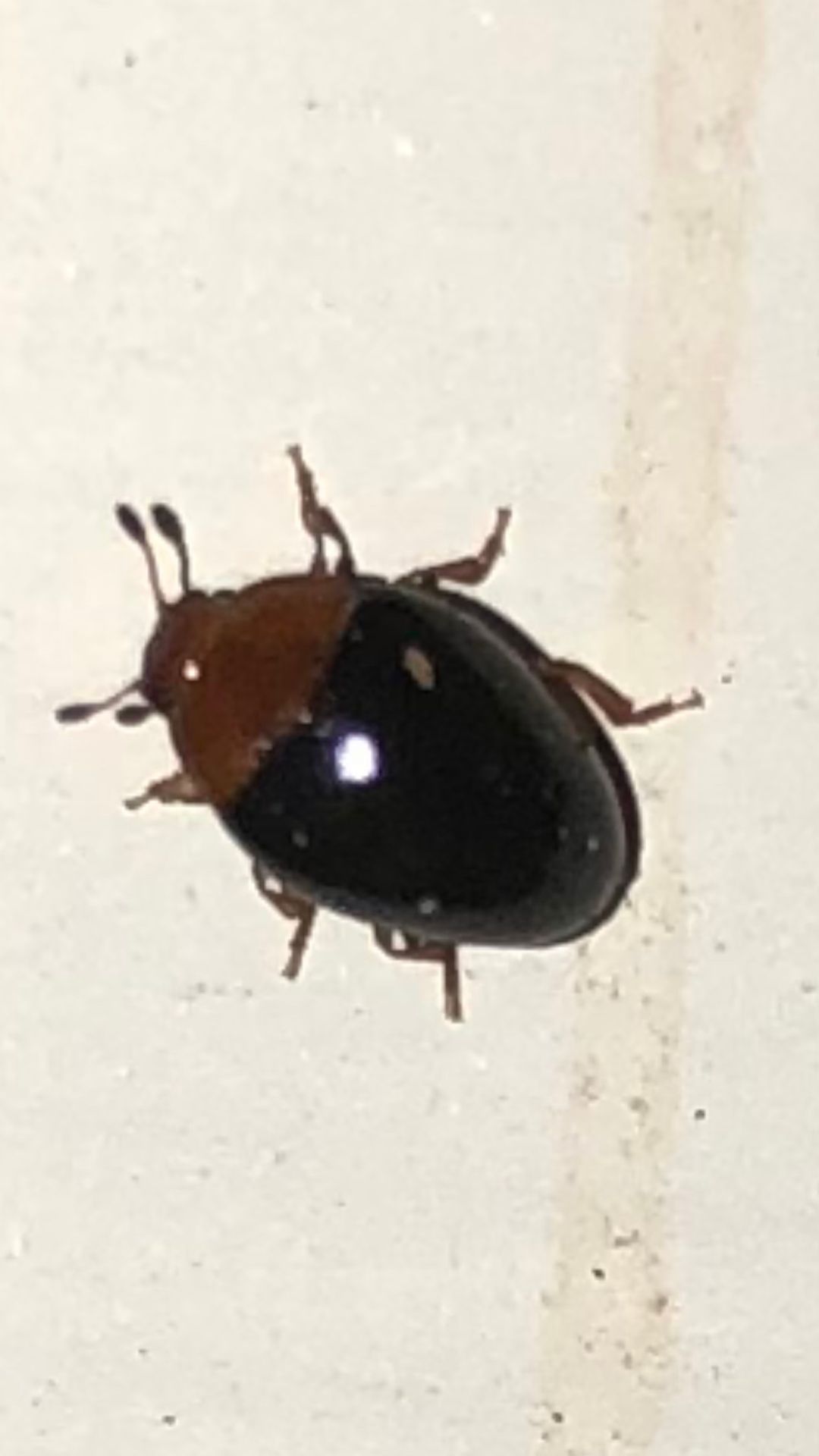
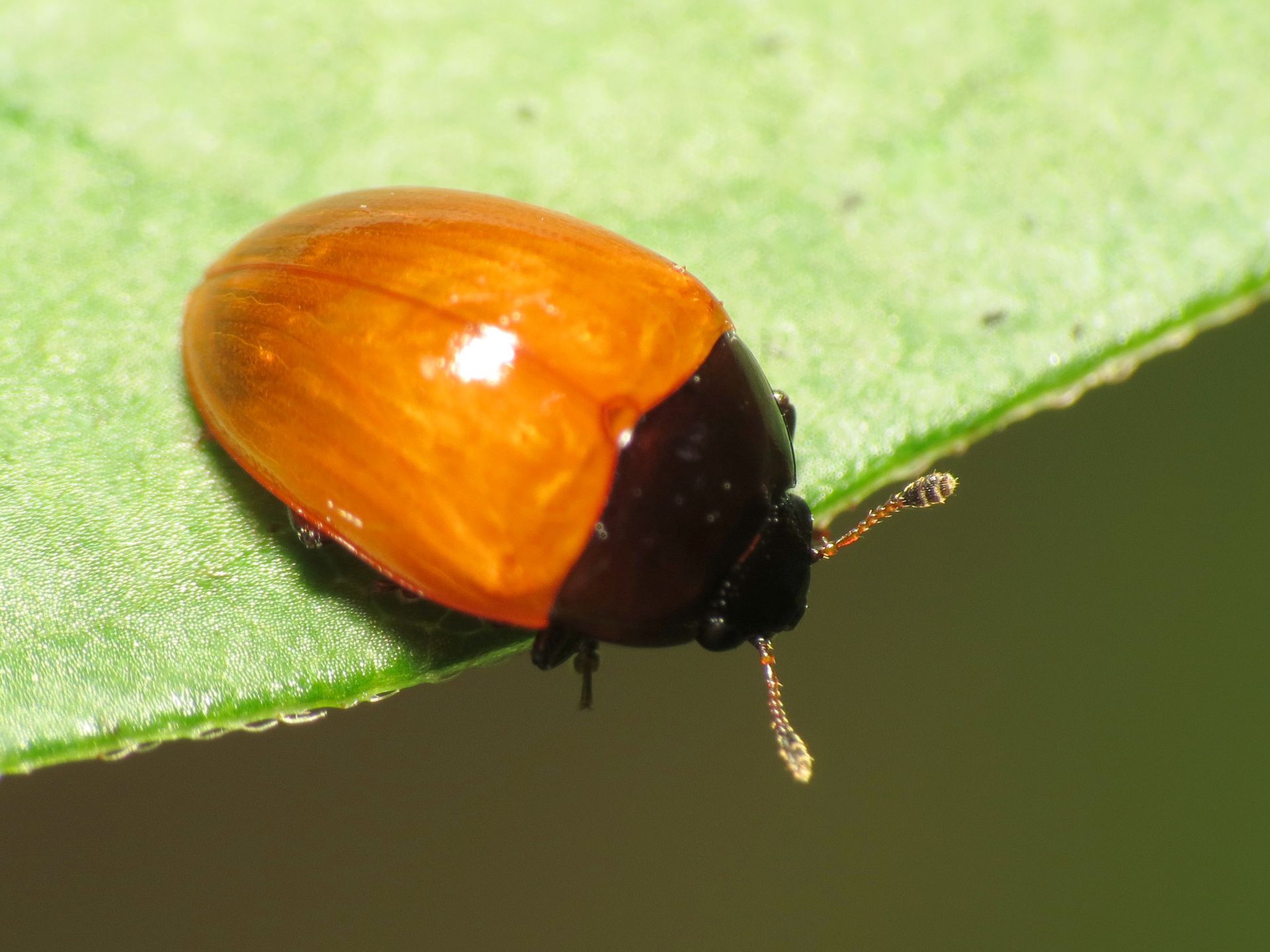
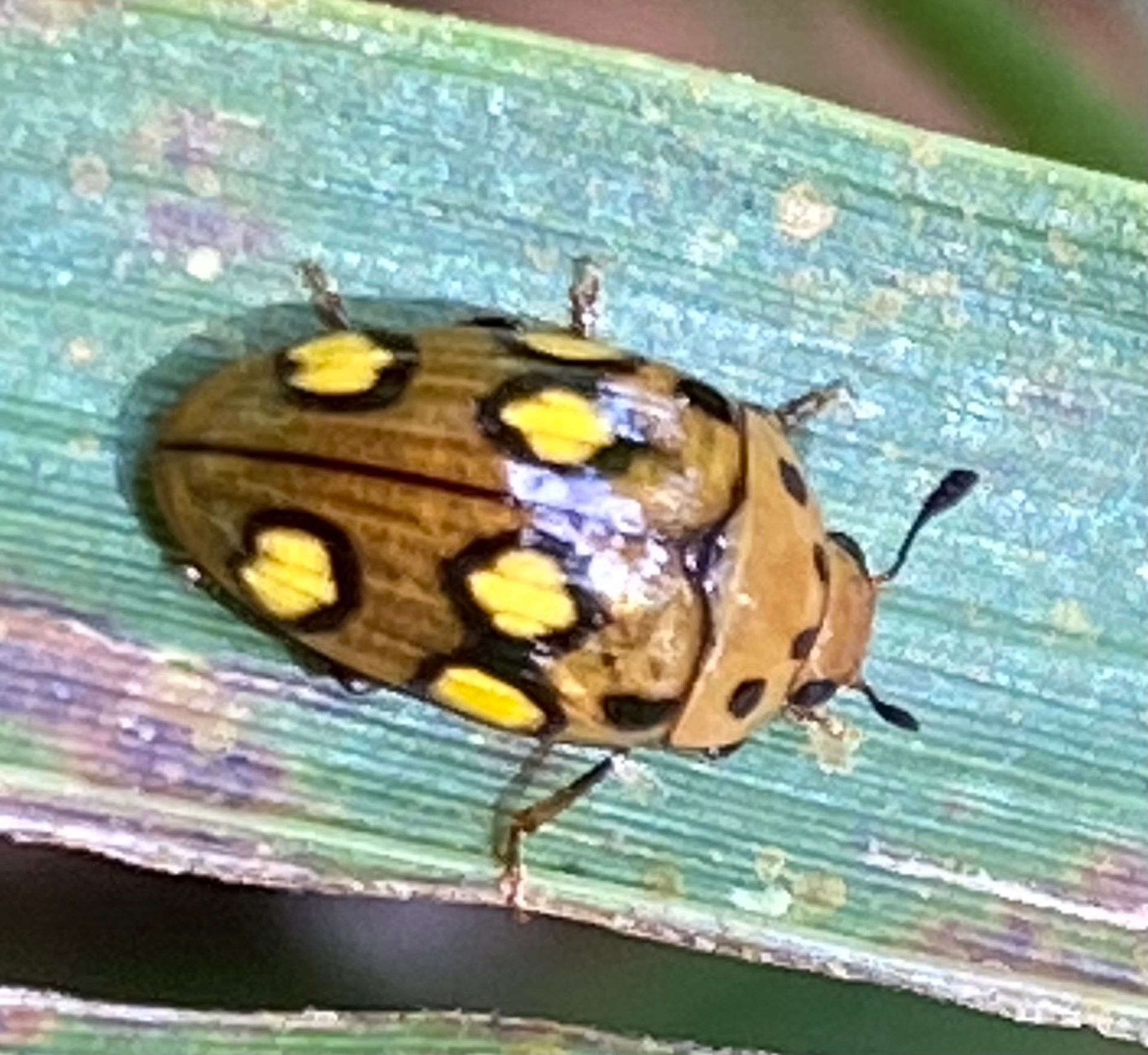
Tritomini can be distinguished from other Erotylidae tribes by combinations of characters including: presence of penial with -specific useful for ; metendosternite structure showing phylogenetic signal; and in larvae, presence of sclerotized plates on the in mature larvae (absent in early instars). Within the tribe, are distinguished by features of the mouthparts, abdominal terminalia, and overall body form. The reddish-brown coloration common in many species, particularly Neotriplax, has been subject to geometric morphometric analysis for species delimitation.
Images
Habitat
Primary is forest where macrofungi occur; specifically documented from Brazilian Atlantic Forest. All members are obligately associated with fungal basidiomes, which serve as food source and developmental substrate.
Distribution
Exclusively Neotropical. Documented from Brazil (14 Pselaphacus ), with broader distribution across Central and South America. Specific localities include sympatric occurrences of Mycotretus chilensis and M. trifasciatus in shared localities.
Diet
Mycophagous; and larvae feed on basidiomes of macrofungi. Specific fungal have been documented for some but remain incompletely characterized across the tribe.
Host Associations
- basidiomes of macrofungi - food and development substrateobligate association; larvae develop within fungal fruiting bodies
Life Cycle
Complete with documented larval and pupal stages. Early larvae lack sclerotized plates on the ; mature larvae possess these plates. stages have been described for Pselaphacus signatus, P. dentatus, and P. procerus.
Behavior
Maternal care has been documented in Pselaphacus from Peru. Gregariousness has been reported. and larvae are found in association with fungal basidiomes.
Ecological Role
Decomposers associated with macrofungi; contribute to nutrient cycling in forest through consumption and processing of fungal fruiting bodies.
Similar Taxa
- ErotyliniAnother tribe within Erotylidae; distinguished by larval and genitalic characters, though specific diagnostic differences require detailed morphological examination
- Tritomini (historical concept)The tribe has undergone taxonomic revision with changing generic concepts; some historically included may have been reassigned, requiring consultation of current literature for precise circumscription
More Details
Taxonomic instability
Generic concepts within Tritomini have been subject to revision. The Mycotretus, second most speciose in Erotylidae, shows great intraspecific variation that has complicated delimitation. Morphological characters of the penial and metendosternite are now recognized as diagnostic and phylogenetically informative.
Research gaps
fungal associations remain incompletely documented across most . data, including stages, are available for only a minority of . The tribe would benefit from comprehensive revision integrating molecular and morphological data.
Sources and further reading
- BugGuide
- Wikipedia
- iNaturalist taxon
- Catalogue of Life
- Redescription of two species and proposal of a new synonym in the genus Mycotretus Lacordaire, 1842 (Coleoptera: Erotylidae: Tritomini)
- Description of larvae and redescription of the fungus beetle Pselaphacus procerus Kuhnt, 1910 (Coleoptera: Erotylidae: Erotylinae: Tritomini) from Brazil
- Redescription of adults and first description of immatures for two species of Pselaphacus Percheron, 1835 (Erotylidae: Tritomini) from the Brazilian Atlantic Forest
- Phylogenetics, Molecular Species Delimitation and Geometric Morphometrics of All Reddish-Brown Species in the Genus Neotriplax Lewis, 1887 (Coleoptera: Erotylidae: Tritomini).